At 2:20 in the afternoon, a fifth-grade girl walked toward a suburban shopping plaza in Bay Village, Ohio, believing she was about to help a stranger buy a congratulation gift for her mother.
It was bright out. People were around. Cars came and went. There was no dark alley, no obvious threat, no moment that looked like the start of a nightmare. And that is exactly why the Amy Mihaljevic case has never loosened its grip on people who hear it. It began in the most ordinary place imaginable, with the kind of lie a child could believe for just long enough.
What happened to Amy Mihaljevic? The unsolved disappearance and murder case that still matters
Amy Mihaljevic was a 10-year-old Ohio girl whose missing person case became one of the state’s most haunting child abduction investigations. Her unsolved disappearance from a Bay Village shopping plaza in 1989 still matters because the setup was so deceptively normal: a phone call, a public pickup point, and a child who vanished in broad daylight.
That same terrible contrast is part of why cases like Asha Degree’s disappearance stay lodged in the public mind for years. They force people to confront how little chaos it can take for a child to step out of view and never come back.
Weeks before Amy disappeared, several girls in the area reportedly received strange phone calls from a man who claimed he worked with their mothers. He had a story ready. Their mothers had recently been promoted, he said, and he wanted help choosing a gift. It was a clever lie because it sounded grown-up, specific, and harmless. It gave a child a role to play.
Amy’s mother really had received a promotion. So when the caller reached Amy, the story landed exactly where he wanted it to.
On Friday, October 27, 1989, Amy left Bay Middle School and headed toward Bay Square Shopping Center. She told a friend she was meeting someone there. She was last seen talking to a white man estimated to be in his 30s. Witnesses then saw Amy walking across the parking lot with him.
That was it. No clear struggle. No confirmed vehicle. No dramatic scene for anyone to remember later with certainty. Just a child moving through a familiar public space, and then a blank space that never filled back in.
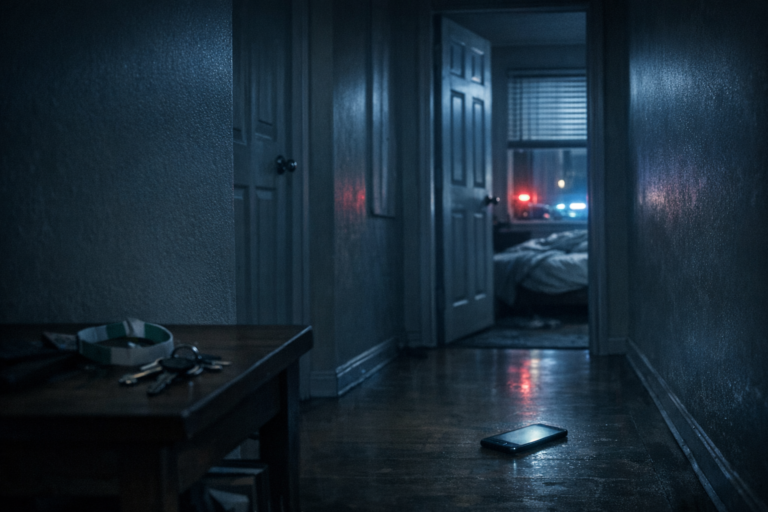
When Amy did not come home, panic spread fast. Bay Village was the kind of place where parents believed they knew the edges of danger. This crime shattered that illusion almost instantly. Searchers flooded the area. Her family waited by the phone. Investigators worked backwards through the last ordinary moments of her day, trying to find the exact second when a routine Friday turned into an abduction.
But the more they looked, the more unsettling the case became. Amy had not been taken through force in some obvious public explosion. She appears to have been lured. That mattered because it suggested planning. It suggested patience. It suggested a man who understood children well enough to build trust in minutes.
Timeline of Events
- Weeks before October 27, 1989: Girls in nearby communities reportedly receive calls from a man claiming their mothers had been promoted and he needed help buying a gift.
- October 27, 1989, after school: Amy walks from Bay Middle School to Bay Square Shopping Center in Bay Village, Ohio.
- Last confirmed sighting: Witnesses see Amy speaking with, then walking through the parking lot with, an unidentified white male thought to be in his 30s.
- Evening of October 27: Amy fails to return home, triggering an enormous search and a widening FBI-assisted investigation.
- February 8, 1990: A jogger finds Amy’s body in a farm field in Ruggles Township, Ashland County, Ohio.
- Aftermath: The case becomes one of Ohio’s best-known cold cases, with thousands of leads, repeated evidence reviews, and continuing public attention decades later.
The discovery of Amy’s body months later changed the emotional shape of the case, but not the mystery at its center. On February 8, 1990, a jogger found her in a field in rural Ashland County, near County Road 1181 in Ruggles Township. Investigators have long believed the scene suggested her body was left there not long after the abduction.
That detail has always mattered. If the body was dumped soon after she was taken, then the case becomes even colder, even faster. The window narrows. The killer may have had a destination in mind before Amy ever reached the shopping center. The pickup point was not the crime. It was the opening move.
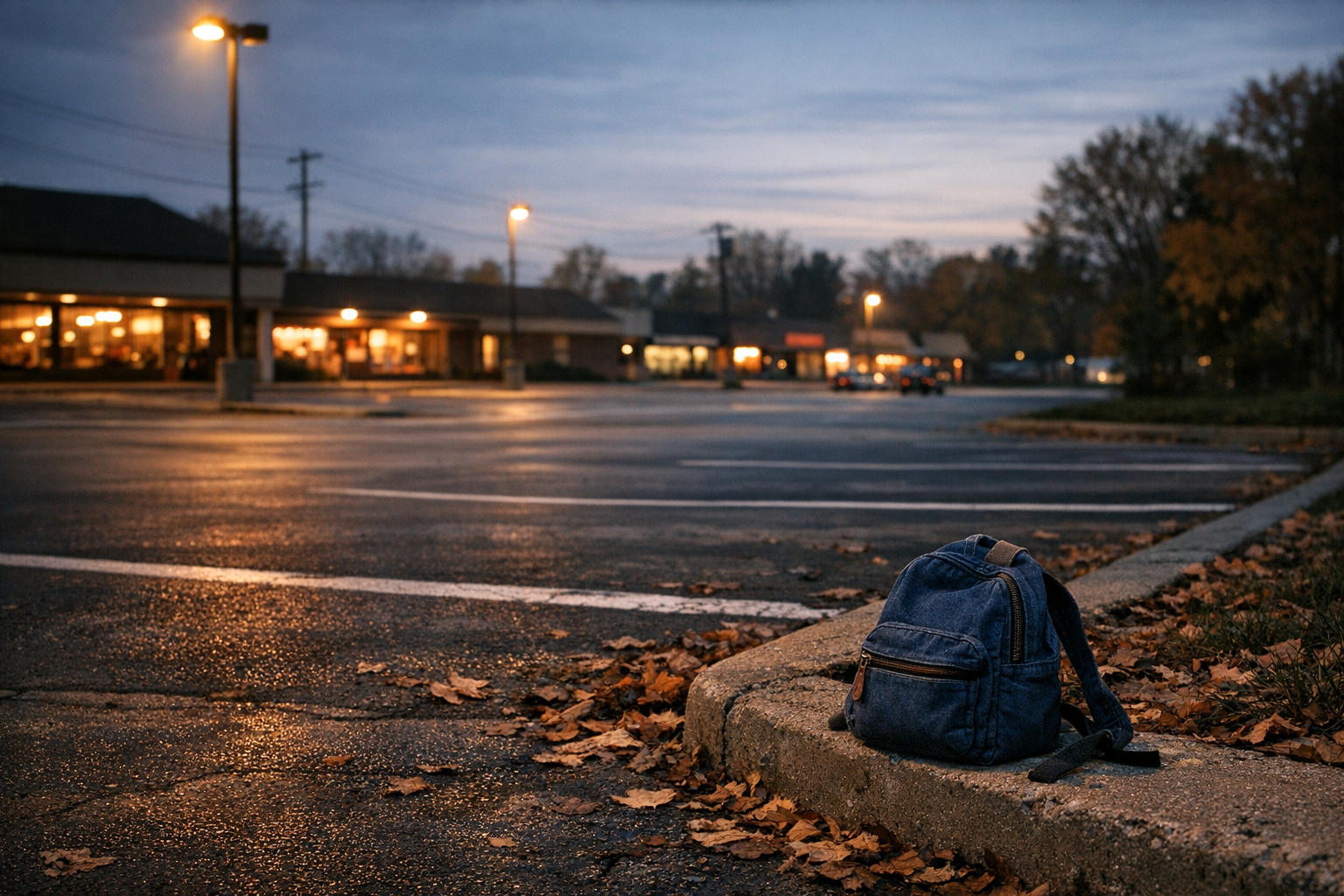
The physical evidence only deepened the feeling that this was a controlled act. Amy died from stab wounds to the neck and a blow to the head. Some of her belongings were missing and have never been recovered, including her horse-riding boots, her denim backpack, a binder marked “Buick, Best in Class,” and turquoise horse-head earrings. Those missing items have always felt chillingly personal, as if the killer wanted not just to remove evidence, but to keep pieces of the moment.
Even Amy’s last meal became part of the puzzle. Reports indicated a soy-based food, possibly something like a vegetarian chicken product or Chinese food. It is one of those small details that sounds almost meaningless until you realize how badly investigators wanted anything that could place her somewhere specific, with someone specific, after she left the plaza.
And that is where the case becomes so hard to shake. It is not only about who took Amy. It is about the ordinary public pickup point where the trap was set. Nothing about a shopping center parking lot should feel sinister. Nothing about helping buy a gift for your mom should sound dangerous. Yet that exact ordinariness is what gave the killer cover.
He did not need darkness. He did not need a weapon in sight. He only needed a believable story, a child willing to be polite, and a place busy enough that one more conversation would not stand out.
What Doesn’t Add Up
- The caller knew the right emotional hook. He used Amy’s mother’s real promotion, which suggests either prior knowledge or access to information that made the lie unusually convincing.
- Other girls reportedly got similar calls. That points away from impulse and toward a method, perhaps even a testing phase before the abduction.
- No clearly identified vehicle was tied to the abduction. In a case built around a public pickup, that absence remains striking.
- The body appears to have been left far from Bay Village. That raises the possibility that the killer knew rural Ashland County or at least felt confident moving there without drawing attention.
- Important personal items vanished with Amy. Missing boots, jewelry, and school items suggest the killer either removed evidence carefully or kept trophies.
That last point is one reason the case still generates debate. People often think of child abduction cases as moments of sudden violence. But the Amy Mihaljevic case feels more like a rehearsal that worked. The caller built a script. He borrowed authority. He used the child’s love for her mother as bait. Then he selected a meeting place that looked safe precisely because it was public.
For readers who follow cold cases, that setup is a big reason Amy’s story still sits beside pages like these unsolved true crime cases. It represents the kind of offender behavior that is terrifying not because it is chaotic, but because it is calm.
Over the years, investigators chased thousands of leads. They examined suspects. They reworked witness accounts. They studied fibers and other trace evidence. They publicly discussed the possibility that other girls had been targeted with nearly identical calls. That detail opened one of the most important theories in the case: maybe Amy was not chosen in a burst of opportunity. Maybe she was the victim of a man who had been trying versions of the same approach until one child agreed to meet him.
There have also been later developments that kept the case from fading. Authorities have revisited DNA evidence. Public reporting has highlighted hairs, fibers, and renewed testing. A person of interest emerged publicly in recent years after information from a former girlfriend brought fresh scrutiny to a man who had been on investigators’ radar. But even with those developments, the essential truth has not changed. No one has been convicted. No final answer has arrived.
And so the case remains suspended between progress and absence. There is too much evidence for it to feel forgotten, yet not enough to close the gap.
Key Evidence and Clues
- The phone-call ruse: A man posing as someone connected to working mothers used the “promotion gift” story to gain trust.
- Witness observations at Bay Square: Amy was seen speaking with an unidentified adult male, then walking with him through the parking lot.
- The Ashland County dump site: The rural location suggests planning, familiarity, or at minimum a killer comfortable leaving Bay Village quickly.
- Missing belongings: Amy’s boots, backpack, binder, and horse-head earrings were never recovered.
- Trace evidence: Investigators have repeatedly revisited hairs, fibers, and biological evidence in hopes that advancing forensic tools can finally identify the killer.
What makes this story endure is not just that a killer escaped. It is that the case still feels understandable at first glance and impossible a second later. A child walks to a shopping center. A man tells a believable lie. Witnesses notice a conversation, but nothing alarming enough to stop it. Then the trail goes thin, the geography widens, and an entire state spends decades trying to bridge the distance between a parking lot and a farm field.
The emotional force of the case comes from that widening distance. Bay Village feels suburban, watched, close-knit. Ruggles Township feels isolated and exposed. Between those two places is the part of the story nobody has ever fully reconstructed. Where did he take her? How long was she alive after she left the plaza? Why Ashland County? Was that area chosen in advance, or was it familiar ground from work, family, or habit?
Those questions keep the case alive because they are not abstract. They are route questions. Decision questions. They suggest a killer who did not simply react but moved through a sequence.
Even the missing binder stands out. “Buick, Best in Class” is the kind of detail that seems too small to matter until you picture it in a child’s backpack on an ordinary Friday afternoon. That is what this case does again and again. It puts everyday objects at the center of horror: a school binder, earrings shaped like horses, boots a child cared about, a shopping plaza, a congratulation gift.
Nothing in the story begins with something overtly sinister. Everything becomes sinister only after the fact.
That is also why the case never stayed trapped in the 1980s. People still discuss it because the mechanism of the crime feels modern. The manipulation was social. The danger hid inside a normal interaction. Amy was not pulled into some obviously dangerous world. Danger came dressed as an adult errand.
Why This Case Still Gets Attention
The Amy Mihaljevic case still gets attention for three main reasons. First, it remains unsolved despite decades of investigation, which naturally keeps hope alive every time a new forensic method appears. Second, the setup is instantly understandable to readers: a child, a shopping center, a manipulative phone call, and a public disappearance. Third, the case keeps producing just enough movement—new testing, renewed witness focus, a discussed person of interest—to remind people that an answer may still be possible.
It also sits at the intersection of two fears that age badly because they never really go away: the fear of stranger manipulation, and the fear that children can be reached through seemingly harmless information adults do not realize they have exposed. Whether the caller learned details through community contact, observation, or some other route, the lie felt tailored. That tailored quality is part of what still unsettles parents and investigators.
By the end, the Amy Mihaljevic case is not remembered only because a killer was never found. It is remembered because of how carefully the world around her was used against her. The phone call did not sound like a threat. The meeting point did not look dangerous. The afternoon did not feel unusual. The story was built out of ordinary pieces, and then those pieces were turned into a trap.
That is why the case still refuses to stay in the past. It is not just an unsolved murder from 1989. It is a warning hidden inside a suburban scene that should have been forgettable, but never was.
Someone arranged that pickup. Someone counted on a child to trust a harmless-sounding adult. Someone knew enough to guide Amy out of sight without setting off immediate alarm. Until that person has a name, the case will keep its grip—because the central image is still too clear to let go: a 10-year-old girl crossing a shopping plaza parking lot in daylight, walking beside the last person who may have seen her alive.