On the morning Ray Gricar disappeared, nothing about the day looked built for legend. A veteran district attorney in central Pennsylvania got into his red Mini Cooper and drove away alone. By nightfall, there was no sign of him. By the time investigators found his car sitting in a small riverside town, the mystery had already started to harden into something stranger: a powerful prosecutor gone without a witness, a laptop pulled from the Susquehanna River, and one missing hard drive that would become the cold center of the entire case.
What Happened to Ray Gricar?
Ray Gricar was the longtime Centre County district attorney whose unsolved disappearance in April 2005 remains one of Pennsylvania’s most debated missing person cases. The case matters because Gricar was not an ordinary missing adult: he was an experienced prosecutor, a public official, and a man whose vanished trail left behind objects that seemed to say everything and nothing at the same time.
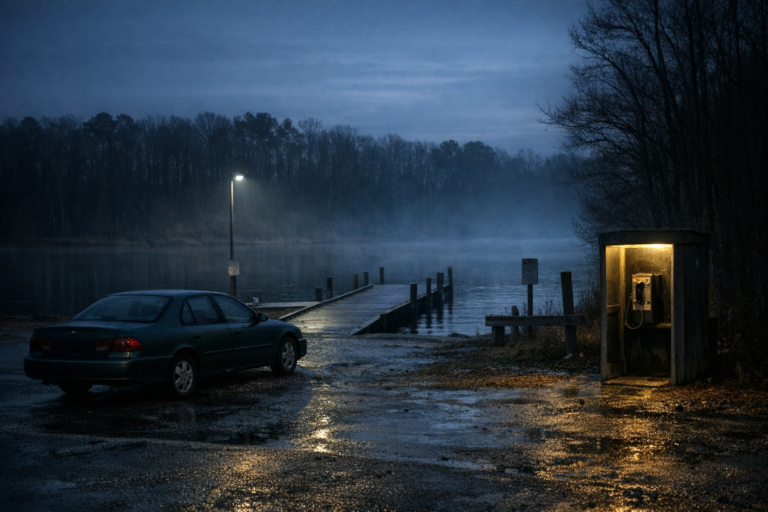
Cases like this tend to linger because every clue feels important and incomplete at once, the same way it does in other disappearances where the vehicle was found but the person was not.
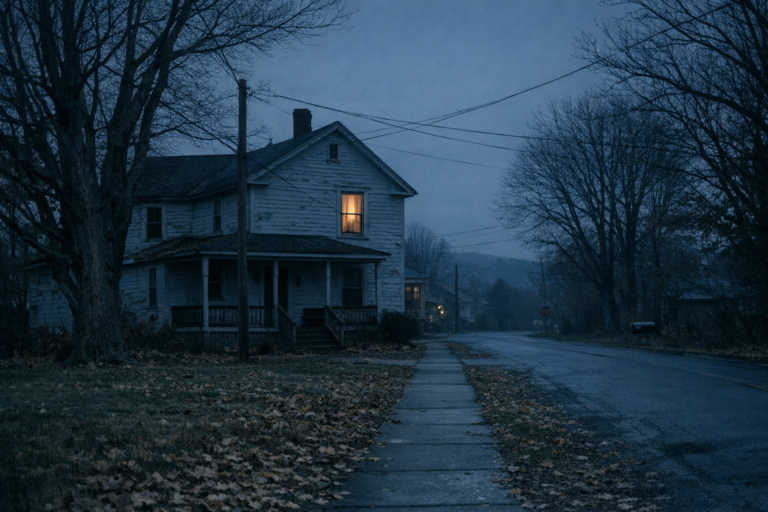
To understand why the Ray Gricar disappearance still pulls people back in, you have to start with how ordinary the day appeared at first. There was no public emergency. No report of a struggle. No final phone call that clearly sounded like fear. Just a man leaving home, driving east, and stepping into a timeline that seemed to break apart as soon as anyone tried to follow it.
At the time, Gricar was 59 years old and well known in Centre County. He had spent years as district attorney and had built a reputation for being smart, deliberate, and careful. He was not the kind of man people expected to vanish in the middle of a Friday. That detail matters, because almost every theory about this case begins with the same uncomfortable question: did Ray Gricar choose to disappear, or did someone make sure he could not come back?
On April 15, 2005, Gricar left his home in Bellefonte, Pennsylvania. Sometime that day, he ended up in Lewisburg, a town about an hour away. Witnesses later placed him in the area, including at an antique mall known as the Street of Shops. Then the trail went thin. Not ended. Not explained. Just thin in a way that made every remaining detail feel louder.
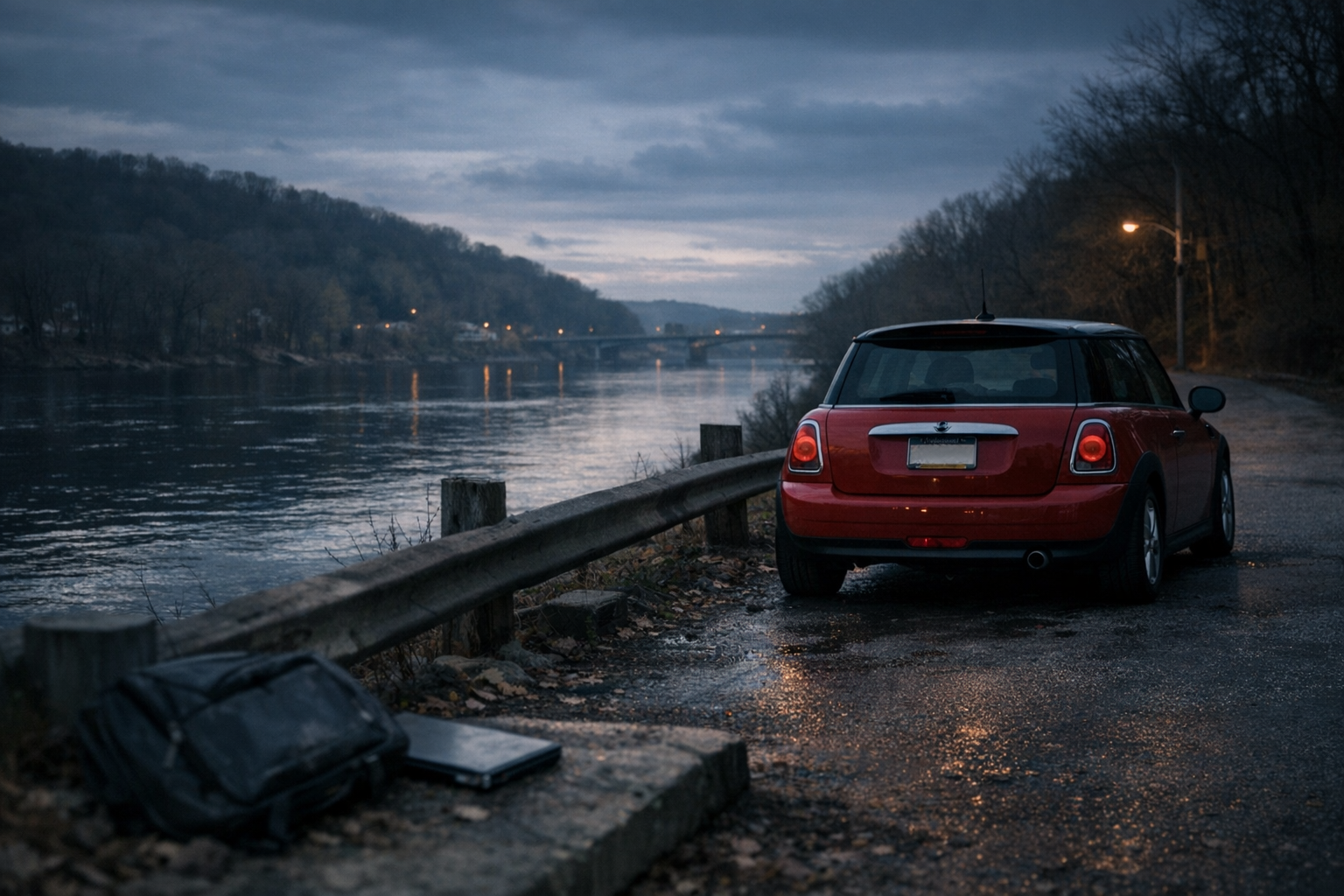
His red Mini Cooper was later found parked in Lewisburg. That should have been the moment the case turned clearer. Instead, it became the moment the story deepened. The car was there, but Gricar was not. There was no obvious sign of violence inside it. No immediate scene that neatly pointed investigators in one direction. When a missing person’s car is found, people expect the mystery to narrow. In the Ray Gricar case, it widened.
The physical evidence that came next only made that effect stronger. Months after Gricar disappeared, searchers found his laptop computer in the Susquehanna River. It was badly water-damaged, but the detail that seized public attention was not just the river. It was the hard drive. The drive that should have been inside the laptop was missing.
That missing hard drive changed the way people understood the entire case. If Gricar had taken his own life, why would the hard drive be removed first? If he intended to start over somewhere else, why throw the laptop into the river at all? If someone else harmed him, why leave behind such a specific, almost symbolic clue? The objects in this case did not just sit there as evidence. They started telling different stories depending on who was looking at them.
Timeline of Events
- April 15, 2005: Ray Gricar leaves home in Bellefonte and drives away in his red Mini Cooper.
- Later that day: He is reportedly seen in Lewisburg, including near the Street of Shops antique mall.
- After he fails to return: Concern grows and authorities begin trying to reconstruct his route and purpose that day.
- His car is found: The Mini Cooper is discovered in Lewisburg, but Gricar is nowhere nearby.
- Months later: A laptop connected to Gricar is recovered from the Susquehanna River.
- Critical discovery: The laptop’s hard drive is missing, creating one of the biggest unanswered questions in the case.
That timeline is not long, but that is exactly why it keeps bothering people. There are missing person cases where the timeline becomes overwhelming because there are too many sightings, too many calls, too many false leads. Here, the opposite happened. The path got sparse. The silence between known points became the story.
And that silence landed especially hard because of who Gricar was. A district attorney knows how investigations work. A district attorney understands evidence, records, and pressure. He would also understand what it means when a case suddenly has no body, no confirmed crime scene, and no final explanation. That does not prove he staged anything. It just means his profession hangs over every theory like a shadow.
Some people think the most likely explanation is suicide. On the surface, that theory has a grim simplicity. His car was left behind. His laptop was found in the river. He disappeared near water. There were reports that he had faced personal stress, and supporters of this theory argue that the case looks less like an abduction and more like a man who chose a private ending.
But the Ray Gricar disappearance has never sat comfortably inside that explanation, because the scene does not feel emotionally or logically complete. The missing hard drive is the biggest reason. It suggests intention before disappearance, and not just emotional intention, but methodical intention. It gives the case a careful, almost administrative quality that people struggle to square with a simple impulsive act.
This is a case balanced uneasily between apparent self-erasure and possible outside intervention. It is not just violence versus no violence. It is control versus chaos. Did Gricar remove himself from his own life piece by piece, or did someone else leave behind a scene designed to look like absence instead of attack?
What Doesn’t Add Up
- The hard drive was gone. That is not random damage. Someone removed the most important storage component before the laptop went into the river.
- The car created location without explanation. It showed where Gricar had been, but not why he stopped there or how he left.
- No clear final event was ever established. There was no confirmed struggle, no final witness account that resolved the timeline, and no reliable ending point.
- His profession complicates every theory. As a prosecutor, Gricar could have had access to sensitive material, dangerous enemies, and a much sharper understanding of investigative blind spots than the average person.
- The scene can support opposite conclusions. To some people, the missing electronics suggest planning by Gricar. To others, they suggest tampering by someone who wanted information gone.
That last point is why the case survives. The strongest mysteries are not always the ones with the fewest clues. Sometimes they are the ones where the clues refuse to stay loyal to a single theory.
If the disappearance was voluntary, then the case becomes the story of a prosecutor who knew enough about evidence to leave behind only fragments. The car would be part of the staging. The river laptop would be part of the cleanup. The missing hard drive would be the final act of control. In that version, the mystery is terrible not because it is chaotic, but because it is deliberate.
But if it was not voluntary, the same evidence feels colder. The parked car starts to look like a handoff point. The laptop in the river starts to look like destruction of information. The missing hard drive becomes less a personal choice than a message: whatever mattered most here is what you no longer get to see.
That possibility has kept the case tied to darker speculation for years. Gricar handled serious prosecutions. He had spent time in public office. Cases involving crime, corruption, and reputation can produce enemies that do not always announce themselves. There has never been definitive proof that he was targeted because of his work, but the theory persists because the disappearance does not feel empty. It feels edited.
Even small details in the story seem to pull in that direction. Lewisburg was not random to investigators simply because it was where the car appeared. It became the place where Gricar’s known movement ended and inference took over. A public man entered a public town, and then the trail somehow dissolved anyway. That contrast—visibility on one side, total uncertainty on the other—is part of what keeps the case alive.
There is another reason people keep coming back: the evidence is object-driven. Some disappearances are remembered for one haunting image or one witness account. This one is remembered for things left behind. The Mini Cooper. The laptop. The absent hard drive. Those objects keep the case anchored in the physical world even as the truth itself stays unreachable.
That same tension runs through other disappearances built around the last known route and the clues that should have helped more than they did. The evidence exists. It just never seems to finish the sentence.
Why This Case Still Gets Attention
Ray Gricar’s case continues to resurface in true crime discussion, anniversary coverage, and online cold-case communities for a few clear reasons:
- He was a public official. Missing district attorneys are rare, and that alone makes the case memorable.
- The evidence is visual. People remember the red Mini Cooper and the laptop in the river.
- The central mystery is easy to understand. One missing hard drive can stand in for the entire unresolved story.
- No theory fully wins. Voluntary disappearance, suicide, foul play, and case-related retaliation all have advocates, but none closes the loop.
- The case feels like it is missing one final piece. Not ten pieces. One. That is what makes people keep searching.
And maybe that is the most unsettling thing about the Ray Gricar disappearance. It does not feel like a mystery buried under a mountain of confusion. It feels like a mystery sitting just one door away from explanation, with the handle always in sight and never turning.
If you walk back through the case slowly, the emotional shape of it becomes even stranger. There is no dramatic final confrontation on record. No last frantic 911 call. No unmistakable scene of public horror. Instead, the story is built out of vanishing points. A man drives off. A car waits in a town. A computer surfaces in a river. A hard drive never does. The whole case reads like someone stripped out the ending and left investigators with props from a story they were not allowed to finish.
That is why the split between apparent self-disappearance and possible foul play still matters. The evidence does not simply leave room for both. It keeps reviving both. Every few years, people study the case again and arrive at the same place: if Gricar planned to vanish, he planned with unusual precision; if he was harmed, the person responsible understood exactly how to turn a disappearance into a maze.
There is no honest way to force certainty onto a case like this. The strongest conclusion is also the most frustrating one. The available evidence suggests intention, but not whose intention. It suggests knowledge, but not whose knowledge. It suggests erasure, but not whether the person being erased was the author of it.
So what happened to Ray Gricar? The most truthful answer is that the objects tell us the case was controlled by someone, at some point, in a very deliberate way. Whether that someone was Gricar himself or another person is the question that has kept this missing person case alive for two decades.
And until the missing hard drive is explained—or something even more decisive is found—the river will keep holding the mood of the story: not chaos, not closure, just evidence drifting back after the person at the center of it never did.