Voynich Manuscript Explained — The Book Nobody Can Read
5 min readJuly 30, 2025
Imagine finding a book that nobody on Earth can read.
Listen to “Unreadable Book” on Spreaker.
Not “hard to read.”
Not “written in another language.”
A book so strange that for hundreds of years, the smartest people alive have stared at its pages… and walked away completely defeated.
Codebreakers failed.
Historians failed.
Artificial intelligence failed.
And the disturbing part is — this isn’t some legend or internet creepypasta.
The book is real.
You can see it with your own eyes.
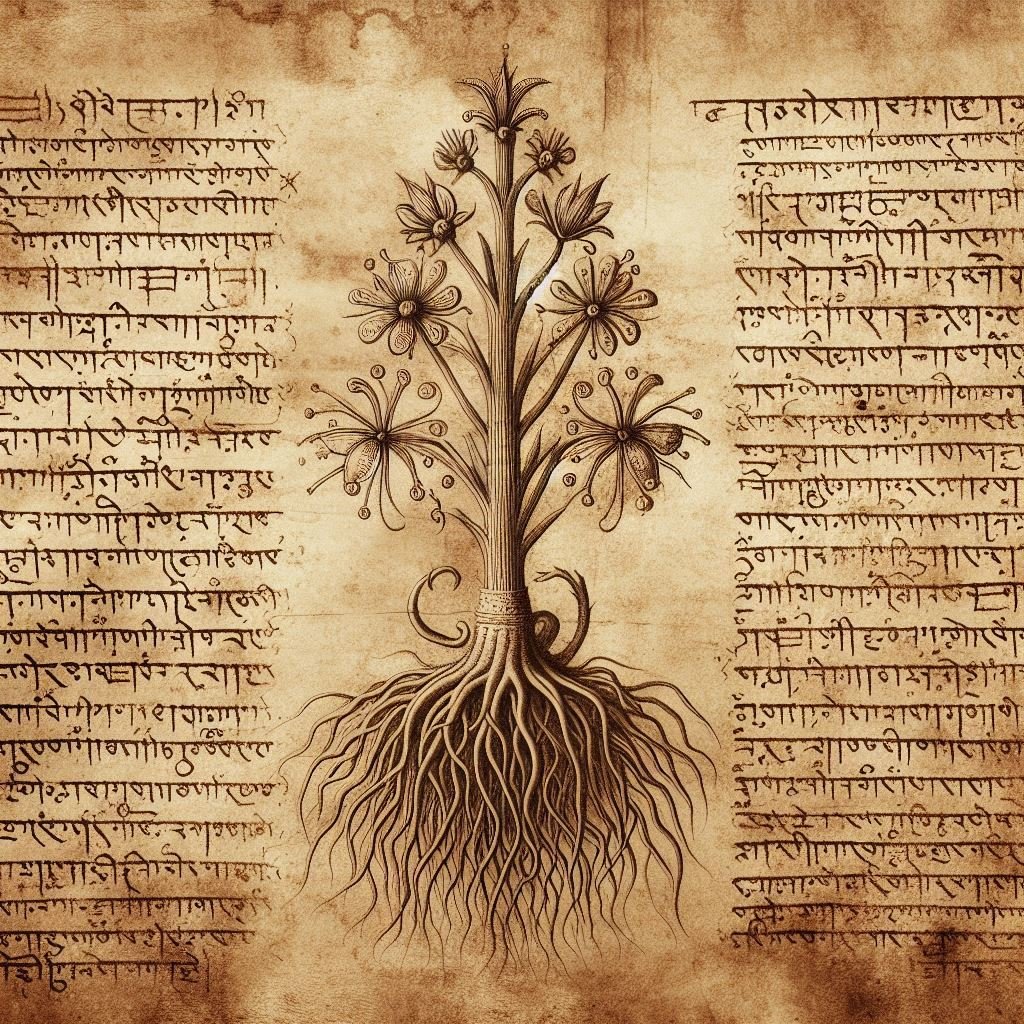
Its pages are filled with impossible plants, bizarre symbols, naked figures standing in strange pools, and writing that looks almost human… but not quite.
For over six centuries, nobody has been able to explain what it says.
And the deeper researchers dug into it, the worse the mystery became.
This is the story of the Voynich Manuscript — the most unreadable book ever discovered.
In 1912, a rare book dealer named Wilfrid Voynich traveled to a quiet Jesuit college near Rome.
He was hunting for old manuscripts — the kind wealthy collectors would pay fortunes to own.
Most of the books looked ordinary.
Dusty.
Forgotten.
Then Voynich opened one of them.
And immediately realized something was wrong.
The book was small, bound in faded vellum, with pages that looked hundreds of years old. But the writing inside made absolutely no sense.
The symbols flowed in neat lines from left to right like a real language. Certain characters repeated over and over. Entire words appeared in recognizable patterns.
Except nobody had ever seen the alphabet before.
Not Latin.
Not Greek.
Not Arabic.
Not anything.
And the illustrations were somehow even stranger.
One page showed plants that looked almost real — until you noticed flowers growing from roots and stems twisting into impossible shapes.
Another showed circular star maps filled with symbols no astronomer recognized.
Then there were the women.
Dozens of tiny naked figures standing inside green pools connected by elaborate tube-like systems that looked almost like plumbing diagrams.
Some appeared pregnant.
Others looked like they were floating through some kind of machine.
The entire thing felt less like a medieval manuscript… and more like something that wasn’t supposed to exist.
The Book That Defeated Everyone
Voynich became obsessed.
He believed he had uncovered a lost scientific text — maybe something involving alchemy, medicine, astronomy, or secret knowledge hidden centuries ago.
But the more experts examined the manuscript, the more impossible it became.
The writing behaved like a real language.
That was the unsettling part.
Researchers discovered repeating grammatical patterns. Certain symbols appeared where vowels normally would. Some words followed statistical rules almost identical to natural human languages.
Which meant one of two things had to be true.
Either the manuscript contained a real hidden language…
Or someone hundreds of years ago created one of the greatest hoaxes in human history.
And then came the codebreakers.
During the twentieth century, some of the most brilliant cryptographers alive tried decoding the text.
These were the same kinds of people trusted to crack enemy military communications during wartime.
People whose entire careers revolved around breaking impossible codes.
And even they failed.
William F. Friedman — one of America’s greatest cryptologists — spent years studying the Voynich Manuscript before eventually admitting defeat.
British codebreakers hit the same wall.
Modern computers hit the same wall.
Artificial intelligence hit the same wall.
No matter what method researchers used, the manuscript refused to give up its meaning.
Theories
Without a translation, theories exploded everywhere.
Some researchers believe the manuscript is an elaborate fake.
According to this theory, someone in the 1400s created the book to trick wealthy collectors into buying “forbidden knowledge.”
And honestly?
That explanation would make sense.
During the medieval era, mysterious books about astrology, medicine, and alchemy were worth enormous amounts of money.
If someone could create a believable-looking encrypted text, they could become rich.
But there’s a major problem with that theory.
The manuscript is unbelievably detailed.
The writing remains consistent across hundreds of pages. The symbols follow complex patterns. The illustrations are organized into sections almost like a genuine encyclopedia.
Creating something this sophisticated as a fake would have taken years — maybe decades.
And for what?
To fool a handful of people?
Other researchers think the manuscript may contain a real lost language.
History is filled with cultures and dialects that vanished without leaving much behind. If the language itself disappeared centuries ago, the manuscript may be the only surviving trace.
Others think it’s a coded version of an existing language hidden behind layers of encryption.
And then the theories get much stranger.
Secret societies.
Ancient forbidden knowledge.
Alchemy.
Time travelers.
Even extraterrestrials.
Because once people realize the smartest minds on Earth cannot explain something… imagination fills the silence.
The Creepiest Part
What makes the Voynich Manuscript so unsettling is that it’s physically real.
You can go see it.
It’s sitting right now inside Yale University’s Beinecke Rare Book & Manuscript Library.
The pages have been scanned.
Photographed.
Analyzed for decades.
And still… nobody can confidently explain what any of it means.
Think about that for a second.
Human beings split the atom.
Walked on the moon.
Built artificial intelligence.
Yet somewhere in a locked library sits a six-hundred-year-old book that humanity still cannot read.
Maybe it’s an elaborate prank.
Maybe it’s a forgotten language waiting to be understood.
Or maybe the real answer is something nobody has even considered yet.
Whatever the truth is, the Voynich Manuscript has already done something almost impossible.
It survived six centuries while keeping every single one of its secrets.