Before daylight fully reached Somerton Beach, the man was already there.
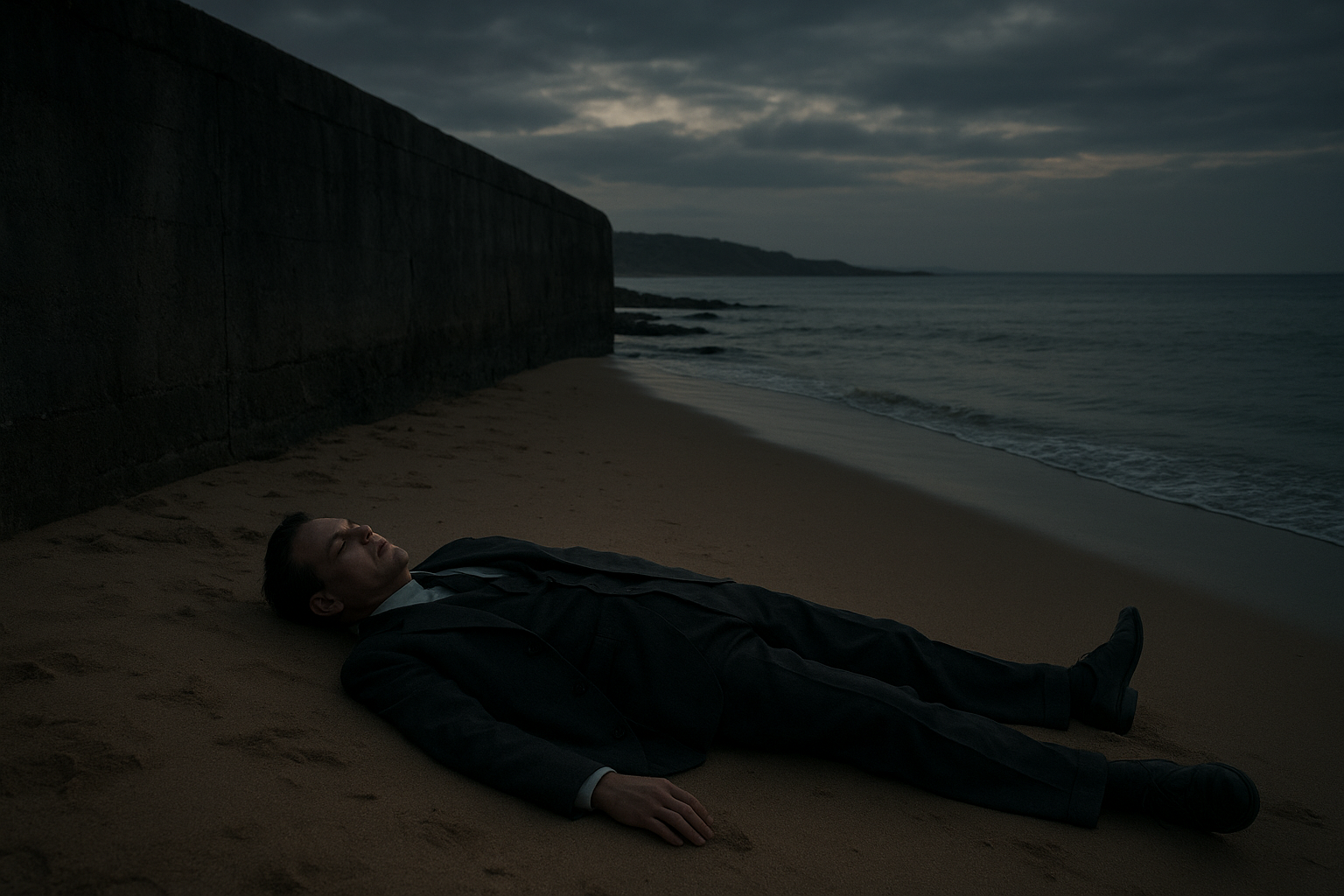
He was leaning against the seawall as if he had simply sat down to rest and let the night carry on without him. His shoes were polished. His tie was still in place. He looked like someone who belonged in a station or hotel lobby—not alone on a strip of sand in Adelaide in the early hours of December 1, 1948. Even before anyone searched his pockets or heard the phrase Tamam Shud, the scene already felt wrong.
The Somerton Man case began when an unidentified man was found dead on Somerton Beach in South Australia, launching one of the most enduring real-life mysteries tied to a hidden note, a possible code, and a later DNA breakthrough. More than seventy years later, the strongest lead on his identity still has not answered the question that matters most: what happened in his final hours?
If you tend to get pulled into old riddles that only grow stranger with time, this case sits naturally beside other historical mysteries that still refuse to close cleanly.
The Body on the Beach
When the man was discovered on the morning of December 1, witnesses had already unknowingly passed through the edge of the story. The night before, people had seen a well-dressed man in roughly the same place. One witness thought he moved an arm weakly, then let it fall. Another assumed he was drunk or asleep. Nobody stepped in, because nothing at first glance looked like an emergency. That detail has haunted the case ever since. It suggests that whatever ended his life may have happened quietly, without the kind of visible panic that tells strangers to run closer instead of farther away.
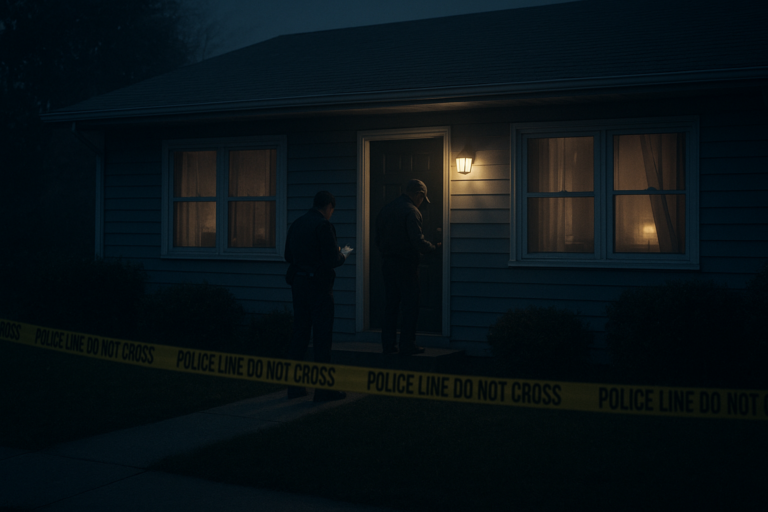
Police found no identification on him. There was no wallet. No hat. No obvious sign of a struggle. He was around middle age, physically fit, neatly dressed, and carrying ordinary objects that somehow made the whole thing feel less ordinary: tickets, matches, gum, cigarettes, a comb. When investigators examined his clothing, they found something deeply unsettling. The labels had been removed.
Not one or two. Nearly all the useful ones.
That single detail changed the atmosphere of the case. A dead stranger on a beach is tragic. A dead stranger on a beach whose clothing has been stripped of identifying marks feels deliberate. It suggests preparation. It suggests concealment. It suggests that either the man himself, or someone around him, wanted the trail to go cold before it even began.
The autopsy only widened the gap between what seemed likely and what could actually be proved. Doctors noted signs that made poisoning seem possible, but no toxin was definitively identified. From the start, the case pointed toward intention without ever proving it.
Then the Case Turned Into Something Stranger
Months after the discovery, a tiny hidden fob pocket in the man’s trousers yielded a rolled scrap of paper. On it were the words Tamam Shud, a Persian phrase usually translated as “ended” or “finished.” The fragment had been torn from the final page of a copy of the Rubaiyat of Omar Khayyam. Suddenly, the mystery had acquired a final line. Not just a body, but a phrase. Not just a death, but something that sounded staged, literary, and ominously intentional.
Then the book itself appeared. A man came forward after police appeals and said he had found a copy of the Rubaiyat in his car near the beach. The missing page matched the scrap found on the dead man. Inside, police found a phone number and a set of letters written in a way that looked very much like a code. For decades, cryptographers, investigators, and amateur codebreakers stared at those lines hoping they were the key to the whole case.
No interpretation ever settled the matter. That is what makes the Somerton Man code so frustrating: it looks meaningful enough to pull you in, but never clear enough to let you out.
Readers who are drawn to undeciphered symbols and artifacts usually end up down the same rabbit hole with the Phaistos Disc mystery, where the writing is just clear enough to torment you and just distant enough to resist resolution.
The Nurse, the Phone Number, and the Cold War Shadow
The phone number in the book led police to a young nurse living not far from Somerton Beach. Publicly, she denied knowing the dead man. Privately, her reported reaction when shown a bust made from his body was so strong that many people later felt she had to know more than she said.
That does not prove conspiracy. It does not even prove she knew his real name. But it added a human center of gravity to a case already full of unsettling objects. A hidden note is eerie. A hidden note plus a coded page plus a woman who may have recognized the dead man makes the whole story feel like it has one locked room inside another.
Complicating matters further, the nurse had once given a copy of the Rubaiyat to a man named Alfred Boxall. Police tracked him down, only to learn that he was alive and still had his own copy, with the final page intact. If Boxall was not the dead man, then why did the trail brush so close to him?
Because the death took place in the early Cold War period, espionage theories flourished. Adelaide had military and industrial significance, and the removed labels, possible poison, cryptic writing, and evasive personal connections all made spy theories feel plausible. But none of them ever crossed the line from compelling to conclusive.
Timeline of Events
- November 30, 1948: Witnesses later report seeing a well-dressed man lying near the seawall at Somerton Beach.
- Early December 1, 1948: The man is found dead on the beach in Adelaide, South Australia.
- Initial investigation: Police discover that labels have been removed from his clothing and that he carries no identification.
- Autopsy period: Doctors suspect poisoning may be involved, but no definitive toxin is identified.
- Months later: A hidden pocket in the trousers yields the paper scrap reading Tamam Shud.
- Public appeal follows: A copy of the Rubaiyat believed linked to the case is found, missing the final page.
- Book examination: Investigators find a phone number and a coded-looking letter sequence inside.
- Decades of speculation: Theories focus on espionage, suicide, murder, romance, and concealed identity.
- 2021: The body is exhumed for modern forensic testing.
- 2022: Genetic genealogy work points strongly toward Carl “Charles” Webb as the likely identity.
What Changed When DNA Entered the Story
For most of the Somerton Man case, the mystery worked in reverse. Investigators had a body, objects, and eerie symbols—but not a confirmed life. That imbalance let theory take over. Once DNA and genealogical analysis entered the picture, the center of the story shifted. Instead of asking only who the dead man might have been in the abstract, researchers could begin building outward from a likely real person.
The 2022 identification claim pointing to Carl “Charles” Webb did not solve the case, but it changed the emotional shape of it. The man on the beach was no longer only a symbol. He was more plausibly a real person with a family line and a life before he became a headline.
It also changed the logic of older theories. Identification does not tell us why he was there. It does not explain the missing labels. It does not decode the letters. It does not prove poison, murder, or suicide. It simply narrows the darkness around the center.
What Still Doesn’t Add Up
- The labels: Removing identifying marks from clothing feels intentional, but it still leaves open whether the choice was his or someone else’s.
- The cause of death: Poisoning has long seemed plausible, yet the evidence never hardened into certainty.
- The code: The lettering in the book remains the most famous unresolved artifact in the case.
- The nurse’s role: Her possible recognition of the dead man deepened suspicion without resolving the relationship.
- The final movements: Even with likely identification, the purpose of his trip and the exact chain of final events remain painfully unclear.
Why the Somerton Man Still Pulls People Back
Some mysteries survive because they are large and violent. This one survives because it is precise.
A body on a beach. A hidden pocket. A torn phrase meaning “it is finished.” A code no one can solve. A probable identity that arrived decades late and still left the central emotional question open. Every part of the Somerton Man story feels like it should lock into place with the next clue, and that expectation keeps getting denied.
That is why the case belongs beside stories like the Mary Celeste mystery and the broader Unsolved Mysteries Archive: each leaves behind one object that feels close enough to explain, yet never fully yields.
Maybe the ending is ordinary. Maybe the letters meant something private. Maybe the removed labels reflected shame, fear, or a decision made by a man who wanted to disappear. But that is the trap of Somerton Beach. Even the modest explanations do not make the image less vivid.
FAQ
Who was the Somerton Man?
The strongest modern identification points to Carl “Charles” Webb, an electrical engineer from Melbourne, based on genetic genealogy research announced in 2022. Even so, authorities have not turned every part of that claim into a universally accepted final resolution, which is why the identity question still appears with some caution.
What does Tamam Shud mean in the Somerton Man case?
Tamam Shud is a Persian phrase commonly translated as “ended” or “finished.” In this case, it was found on a scrap of paper hidden in the man’s trousers, torn from the final page of the Rubaiyat of Omar Khayyam, giving the mystery its most famous and haunting symbol.
Was the Somerton Man code ever solved?
No explanation of the letter sequence found in the linked book has been accepted as definitive. People still debate whether it was a real code, a mnemonic, or a personal note that only looked like a cipher from the outside.
Was the Somerton Man murdered?
Murder has long been one of the leading theories, largely because of the suspected poisoning, the missing labels, and the hidden note. But the evidence never settled the issue completely, so the case remains suspended between homicide, suicide, and other unresolved possibilities.
Why does the Somerton Man case still get attention?
It keeps drawing readers back because it combines a cinematic discovery scene, a coded message, a likely but incomplete identification, and a final set of unanswered questions that still feel close enough to solve. It is one of those rare cases where the facts themselves already read like a late-night documentary.
Continue exploring:
- Artifacts, codes, and lost clues that still keep history unfinished
- The ghost ship found drifting with no one left aboard
- The book that has resisted every serious attempt to read it
- The shipwreck machine that seemed centuries too advanced
More Historical Mysteries stories:
Watch This Story on YouTube
Prefer to watch? See the full story on our YouTube channel.