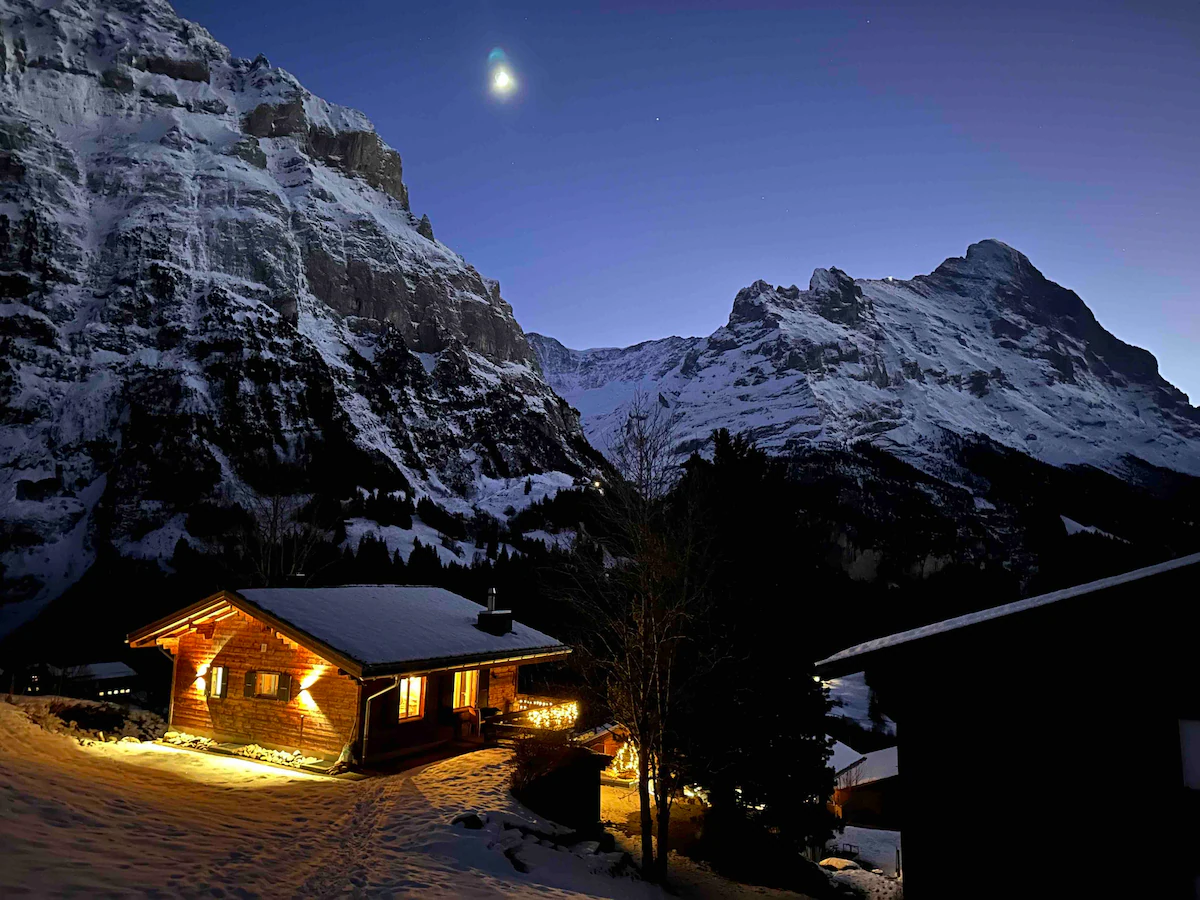
By the time firefighters and investigators entered the first chalet in Switzerland, the silence already felt staged. The dead were not scattered in panic. They had been arranged. Some wore ceremonial robes. Some had been shot. The rooms had been prepared for fire. And somewhere inside that frozen stillness was the final message of a group that had spent years teaching its followers that death was not the end, but a passage to somewhere higher.
The Order of the Solar Temple case still unsettles people because it was never just one mass death in one place. It became a chain of coordinated killings and ritualized deaths across Switzerland, Canada, and France, tied to apocalyptic beliefs, spiritual theater, and leaders who convinced followers that leaving Earth was a sacred transition rather than a catastrophe.
That same fatal mix of prophecy, control, and staged transcendence appears in other cases across the archive, including doomsday cults that ended in death. But the Solar Temple story feels especially chilling because of how polished it looked from the outside until everything collapsed.
The Respectable Surface Hid Something Much Darker
The Order of the Solar Temple did not begin with the rough edges people often associate with fringe groups. It presented itself as refined, disciplined, and spiritually elevated. Its language was built from esoteric Christianity, occult ritual, New Age mysticism, Templar symbolism, and apocalyptic prophecy. To outsiders, it could look like an exclusive spiritual society for educated adults who wanted purpose, structure, and a deeper explanation for a world that felt morally empty.
At the center were two men: Joseph Di Mambro and Luc Jouret. Jouret, a charismatic speaker and homeopathic physician, handled public magnetism. He lectured, gathered attention, and made the movement sound visionary. Di Mambro operated more like the architect behind the curtain. He shaped the rituals, the hierarchy, the theatrical symbolism, and the atmosphere of hidden revelation. Together, they made the movement feel like a doorway into secret knowledge.
Members were not simply asked to believe. They were drawn into a total environment. Ceremonies used robes, candles, mirrored rooms, hidden mechanisms, and carefully staged moments designed to create awe. What looked spiritual from inside the room was also a system of emotional conditioning. The more sacred it felt, the harder it became for followers to question the people running it.
That pattern of reverence turning into dependence is one reason the case belongs beside stories like Heaven’s Gate and Jonestown. In each case, belief did not become deadly all at once. It became deadly after leaders slowly replaced ordinary judgment with a closed spiritual logic.
How the Belief System Escalated
The Solar Temple taught that the modern world was corrupt, spiritually exhausted, and approaching collapse. Followers were told they belonged to a chosen inner circle connected to higher truths and cosmic destiny. Over time, that identity became more than a belief. It became an emotional shelter. To doubt the group was not just to disagree. It was to risk losing meaning, community, and the story that made suffering feel purposeful.
Di Mambro intensified that pressure by surrounding the movement with staged signs of mystery. Some former members later described manipulated rituals and manufactured supernatural effects. Instead of proving sacred power, those performances helped strengthen dependence on leadership. The spectacle mattered because it made followers feel that ordinary reality was too small to understand what was happening around them.
Financial strain, internal conflict, and the leaders’ growing paranoia pushed the movement even further. Splits formed. Scrutiny increased. The group’s grand spiritual image became harder to maintain. And when cult systems begin to crack, leaders often do not loosen control. They radicalize. The outside world becomes the enemy. Critics become proof of persecution. And the promised transformation becomes more urgent.
That is where the Solar Temple turned from a secretive spiritual order into something openly lethal.
Timeline of the Order of the Solar Temple
- Early 1980s: Joseph Di Mambro and Luc Jouret build the movement from esoteric and apocalyptic teachings, presenting it as a spiritually elite order.
- Mid to late 1980s: The group expands in Switzerland, Canada, and France, using ritual, hierarchy, and exclusivity to deepen member commitment.
- Early 1990s: Internal tension, financial problems, and increasing isolation intensify the movement’s apocalyptic tone.
- October 1994: Bodies are found in Switzerland and Canada in scenes tied to ritualized killings and coordinated fire.
- December 1995: Additional deaths linked to the group occur in France.
- March 1997: A final major group death takes place in Quebec, confirming that the movement’s deadly logic had not ended with the first discoveries.
The timeline matters because it shows this was not one impulsive night. It was an ideology unfolding across countries, repeated even after the horror had already become public.
The Night the Myth Became a Crime Scene
In October 1994, investigators in Switzerland found scenes that immediately felt unnatural. The dead had not simply gathered and died together. Many had been positioned with care. Some had been shot, including people who may not have willingly taken part. Buildings were set on fire to complete the ritual image and possibly destroy evidence. Similar discoveries in Canada pointed to planning rather than chaos.
This is one of the most important truths in the case: not every death fits neatly into the language of voluntary spiritual passage. Some victims were children. Some adults were likely deceived, coerced, or murdered outright. The Solar Temple story is often remembered for its mysticism, but beneath that surface was something much more brutal: a leadership structure willing to decide who would live, who would die, and how the final scene would be interpreted.
The phrase “transit” or “transit to Sirius” gave the deaths a cosmic script. But the evidence left behind made the earthly reality harder to romanticize. Firearms. sedatives in some reports. bodies arranged for symbolic effect. homes turned into ceremonial tombs. What the leaders described as transcendence often looked, from the outside, like homicide wrapped in ritual language.
What Doesn’t Add Up
- How voluntary were the deaths? The presence of gunshot wounds, children among the dead, and signs of staging make it difficult to treat every victim as a fully willing participant.
- How much was theater? Former accounts of manufactured mystical effects raise serious questions about how long leadership had been manipulating followers through performance.
- Why did the deaths continue? Even after the first mass-death scenes shocked the public, later deaths in France and Quebec showed that the ideology still held power.
- How early was violence built into the system? The final crimes seem extreme, but the hierarchy, secrecy, and chosen-elite worldview suggest the ground had been prepared for a long time.
Those pressure points are why the case still lingers. It is not just about what followers believed. It is about the moment belief stopped being private faith and became a mechanism leaders could use to direct death.
How the System Worked
The Order of the Solar Temple did not rely on one single trick. Its power came from layers that reinforced each other.
- Charismatic authority: Jouret made the movement sound meaningful, elevated, and morally urgent.
- Hidden hierarchy: Di Mambro controlled access, symbolism, and the illusion that deeper truths were reserved for inner members.
- Ritual immersion: Ceremonies made emotional surrender feel sacred rather than dangerous.
- Chosen identity: Members were told they were spiritually distinct from the wider world, which made separation easier.
- Apocalyptic pressure: Once worldly collapse and cosmic passage became central, death could be reframed as destiny instead of loss.
That structure resembles other coercive groups, but the Solar Temple case stands out for how elegant the disguise looked. It did not market itself as chaos. It marketed itself as refinement, insight, and spiritual nobility. That false sophistication is part of what still makes the case so disturbing.
If that pattern of belief turning disciplined people toward catastrophe pulls you deeper, the path leads naturally toward the Waco siege and Children of God, where conviction, control, and leadership mythology also overpowered ordinary limits.
Why This Case Still Feels So Cold
Some cult cases are remembered for frenzy. The Solar Temple is remembered for composure. That may be what makes it feel so cold. The final scenes were not wild or disorganized. They were arranged. Symbolized. Given a script. It is one thing to imagine people swept up in panic. It is another to confront a movement that turned death into ceremony and made the ceremony look beautiful enough to hide the violence underneath.
The group also spread its final acts across multiple countries and years, which gives the story a lingering aftershock. The horror did not fully end with one discovery. It kept echoing. Every later death suggested that the inner logic of the group had survived public exposure long enough to claim more lives.
That is why the Order of the Solar Temple still gets attention. It is not only a story about extremism. It is a story about theatrical belief, social status, spiritual longing, and the terrifying ease with which a closed system can rename destruction as salvation.
FAQ
What was the Order of the Solar Temple?
The Order of the Solar Temple was an esoteric religious movement founded by Joseph Di Mambro and Luc Jouret. It blended mystical Christianity, occult symbolism, and apocalyptic belief, eventually becoming linked to a series of ritualized deaths in Switzerland, Canada, and France.
What happened in the Solar Temple deaths?
Beginning in 1994, dozens of people connected to the group died in coordinated incidents involving shootings, fire, and ritual staging. Later deaths tied to the movement occurred in France and Quebec, showing that the group’s deadly ideology continued after the first mass-death scenes were discovered.
Were all of the Solar Temple members willing participants?
No one can honestly reduce the case that neatly. Some members appear to have embraced the group’s final theology, but the presence of children, gunshot wounds, and evidence of staging strongly suggests that not every victim died as a fully willing participant.
Why is the Order of the Solar Temple case still important?
It still matters because it shows how charismatic leadership, ritual theater, and apocalyptic belief can turn an apparently sophisticated spiritual movement into a machine for coercion and death.
Continue exploring:
- The doomed prophecies and final catastrophes behind other cult endings
- The group that believed a comet marked their exit from Earth
- The jungle settlement where Peoples Temple ended in mass death
- The 51-day siege that turned Waco into an American trauma
More Cults & Extremist Groups stories: