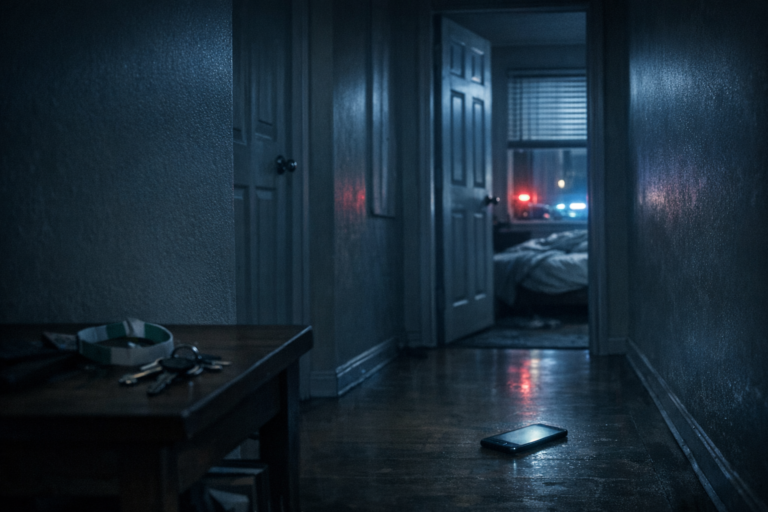
The building did not sway first. It cracked.
One second Anahit was inside a cold apartment in Spitak with her baby close by. The next, the floor dropped, the walls folded, and the air turned black with dust so thick it felt like the whole city had been ground into powder. When the noise finally stopped, she could not move her legs. She could barely breathe. Then, somewhere in that buried dark, she heard the smallest sound left in her world.
Her daughter was still alive.
The story of Anahit and her infant daughter remains one of the most haunting real survival stories from the Spitak earthquake. In a disaster that killed tens of thousands and flattened whole neighborhoods, this case still stands out because it came down to one trapped mother, one dying pocket of air, and a decision so desperate it became unforgettable.
Stories like Buried Alive Survival Stories: Real Rescues That Began With Knocking, Tapping, and the Faintest Signs of Life hit hard because they strip survival down to minutes, breath, and sound. This one feels even crueler because Anahit was not fighting only for herself. Every hour under that concrete was also a clock running against her baby.
On the morning of December 7, 1988, winter had already pressed itself over northern Armenia. In Spitak, apartment blocks stood in rows of gray concrete, ordinary and solid-looking, the kind of buildings people trusted because they had no reason not to. At 11:41 a.m., that trust ended.
The first jolt came hard enough to feel like impact. Dishes shattered. Glass burst inward. Walls ripped with a sound like something alive tearing open. Then the second shock hit, stronger and more violent, and the building did not rock like a ship. It folded in on itself. Floors dropped. Ceilings came down. Stairwells became traps. In less than half a minute, whole sections of the city were reduced to slabs, dust, steel, and screaming.
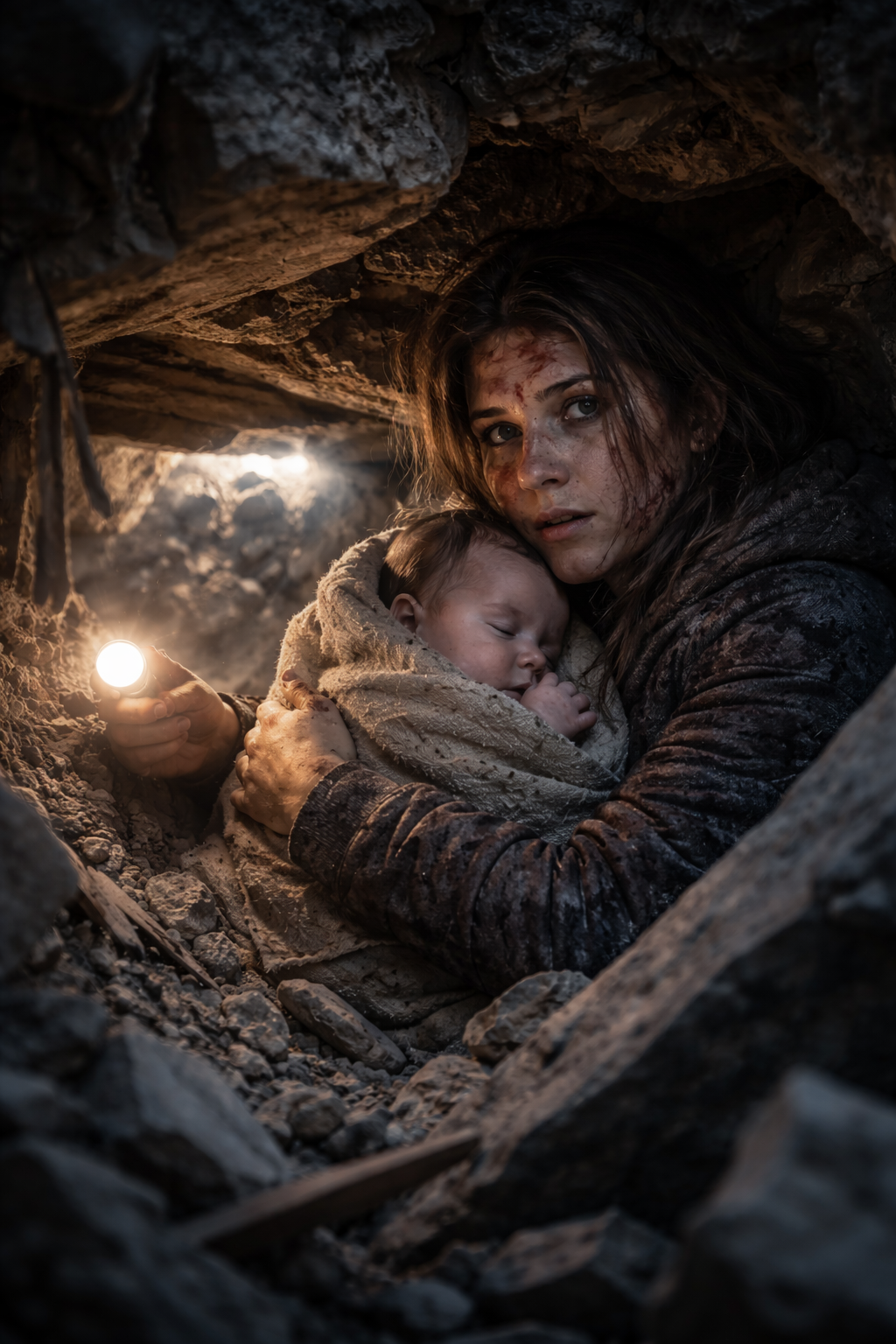
Anahit had no real chance to escape. One moment she was a mother inside her apartment. The next, she was pinned beneath the wreckage of it. When she came to, she was no longer in a room but inside a crushed pocket in the ruins, her lower body trapped under a slab, her face inches from broken concrete. Dust burned her throat. Blood ran warm somewhere along her forehead. Her ears rang from the collapse. For a few terrible seconds, she could not tell if she was alive or just not dead yet.
Then she heard the baby cry.
That sound changed everything. It turned the collapse from a moment of terror into an ordeal with a purpose. She reached through the dark and found the blanket first, then the child herself, wedged close enough to touch. Some broken piece of furniture had collapsed at the right angle and helped form a small survival pocket. Not comfort. Not safety. Just enough space for air.
Above them, Spitak had become a rescue nightmare. The earthquake devastated whole cities across northern Armenia, roads were damaged, winter slowed movement, and rescue crews were overwhelmed immediately. That mattered because survival after collapse is a race against both injury and access.
Down below, Anahit shouted, listened, and shouted again. The rubble swallowed sound strangely. Then the real problem settled in: adults can last longer without food or water than infants can. In the dark, unable to move, she understood very quickly that the baby’s clock was running faster than her own.
She searched the narrow space around her with one free arm. Broken glass. Splintered wood. Cold concrete. No bottle. No pipe. No moisture she could reach. Her daughter cried, then whimpered, then quieted. That silence was more frightening than the crying. Crying meant strength. Silence could mean the clock was running out faster than she could bear.
Timeline of Events
- 11:41 a.m., December 7, 1988: The Spitak earthquake strikes northern Armenia, collapsing buildings across the region.
- Seconds later: Anahit and her infant daughter are trapped beneath their apartment building inside a small air pocket.
- First day: She shouts for help, checks that the baby is alive, and realizes she has no access to water.
- Second day: The cold intensifies, dehydration worsens, and the baby’s condition becomes more dangerous.
- During entrapment: Anahit cuts her finger and feeds her baby drops of blood to give her some form of moisture.
- Around the third day: She hears nearby rescue work, taps against the rubble, and is finally heard.
- Rescue: Workers carefully open the void, lift the baby out first, then free Anahit with serious leg injuries.
Night under concrete must have felt endless. December cold does not stay politely outside a ruined building. It settles into the rubble and holds there. Concrete turns frigid. Air thins. Bodies lose heat without motion. Anahit wrapped what she could around the baby and kept her close, trying to share warmth she barely had left herself. Her mouth was dry. Her lips were cracking. The child was weakening.
That is when the story takes the turn people remember, because it feels too stark to be real and yet it is the reason the case kept spreading long after the rubble was cleared.
With no water anywhere around her, Anahit reached for a shard of broken glass. She cut her finger and let the baby suck the blood. Not enough to nourish. Not enough to solve anything. Just enough, perhaps, to buy time in a place where time had become the only thing that mattered. She repeated it carefully, spacing it out, giving the child what little moisture her own body could still spare.
That detail is why the story stayed alive in public memory. Plenty of earthquake rescues are astonishing. This one feels intimate in a way that is harder to shake. It is not only about surviving rubble. It is about the kind of terrible improvisation that appears when a parent realizes there is no clean solution left.
Above them, the rescue effort was growing, but so was the despair. The 1988 Armenian earthquake killed tens of thousands of people and left enormous numbers injured, homeless, or buried. Anahit and her daughter needed both luck and endurance.
What Made Survival Possible?
- A survivable air pocket: Broken furniture and concrete left enough room to breathe.
- Partial protection from the collapse: She was pinned, but still conscious and able to reach the baby.
- Improvised moisture: The blood from her cut finger may have delayed the infant’s collapse.
- Body heat and rescue timing: She kept the baby close until crews finally reached their section of rubble.
Cases like Reshma Begum Survival – Found Alive Beneath the Rubble After 17 Days and The Knock Under the Ruins: Sylmar’s Longest Four Days show the same rule: collapse survival is never one miracle. It is several unlikely conditions holding together just long enough.
By the third day, Anahit’s world had narrowed to touch, breath, and sound. She could not see the sun. She could not know how much time had passed except by the movement of her own thoughts from panic to focus to drifting exhaustion. She spoke to her daughter because silence would have felt too much like surrender. She called out when she could. She listened when she could not.
Then something changed. Not a dramatic roar. Not a clear voice. Just a sound close enough to matter. Scraping. Shifting. Work nearby.
She forced herself to answer with what little strength remained. She struck metal against concrete. A weak tapping. Then again. Somewhere above, a rescuer either heard it or thought he heard it, and that difference may be the whole story. Disaster sites are full of false sounds: settling debris, bending steel, tools carrying vibration through broken structures. But sometimes one worker stops anyway. Sometimes someone decides not to walk past a noise that might be life.
When voices finally answered, the trapped world under the slab changed shape all at once. The darkness was still there. The pain was still there. But now it had witnesses. Rescuers began removing debris carefully because a pocket that keeps people alive can also collapse during extraction. Light filtered through cracks. Dust fell in thin streams. A face appeared through a gap. The baby was brought out first. Then Anahit.
She survived with severe injuries to her legs. Her daughter survived against odds that had already started collapsing long before the rescue reached them.
What makes this story linger is not just that they lived. It is where the survival sits in the larger history of the earthquake. The Spitak disaster remains one of the most catastrophic events in Armenian history. Entire districts disappeared. Families were erased in seconds. Rescue efforts unfolded in cold weather across scenes of mass loss so large they are difficult to picture from a single survivor story alone. That scale gives Anahit’s ordeal an even sharper edge. This was not a miracle in a small accident. It happened inside a national tragedy so vast that any one voice under the rubble could easily have gone unheard.
That is also why the aftermath matters. The famous detail about the blood can make the story sound almost mythic if it is stripped of context. But the emotional truth is harder and sadder than that. A mother was forced into a position no one should ever face. The city above her was breaking apart. Rescuers were digging through a landscape of death. And inside that darkness, survival depended on tiny, painful choices repeated hour by hour.
The ending is not triumphant in any simple way. People were rescued, but cities were shattered. Anahit and her daughter came back into the light, but they came out of a place built by mass grief.
That may be why this case still gets attention decades later. For readers who go deep into The Survival Stories Archive – Ocean Ordeals, Buried Survivors, Plane Disasters, Wilderness Escapes, and the Real People Who Refused to Die, this story defines the archive’s mood: not easy uplift, but endurance at the edge of what should have been possible.
And maybe that is the most haunting part. Survival here was a trapped woman in total darkness, a baby getting quieter, a shard of glass, a faint tapping sound, and a rescuer who stopped long enough to listen.
Why This Case Still Gets Attention
- It happened inside a historic disaster: The Spitak earthquake remains one of the deadliest earthquakes of the late Soviet era.
- The survival method is unforgettable: The image of a mother keeping her baby alive with her own blood is almost impossible to forget.
- It represents the human cost of catastrophe: One family’s survival is inseparable from the enormous loss around them.
FAQ
What happened to the mother and baby in the 1988 Armenia earthquake?
They were trapped beneath a collapsed building in Spitak after the earthquake. The mother survived with serious injuries, and her infant daughter was rescued alive after days under the rubble.
How long were they trapped under the rubble?
The story is generally told as lasting about three days, which is especially critical because an infant without water can decline very quickly.
How did the mother keep her baby alive?
According to the widely repeated account, she cut her finger on broken glass and let the baby take drops of blood when there was no water available.
Why is this story still famous?
Because it combines a historic earthquake with an intensely personal act of survival that people do not easily forget.
If this story stayed with you, the author suggests these real cases next:
- A teenager who stayed alive beneath shattered concrete for 17 days
- The four-day tapping rescue beneath the ruins of Sylmar
- Buried survivor cases where the faintest sound changed everything
- Other survival stories where disaster should have ended the story immediately
Explore more Survival Stories here:
Watch it on YouTube