
Disappearances: Outdoor and Wilderness
They entered forests, mountains, deserts, trails, parks, or remote roads—and somewhere beyond the last confirmed point, the landscape swallowed the trail.
Outdoor disappearances can begin with an ordinary hike, camping trip, scenic drive, hunting trip, beach visit, or walk near a familiar trail. The missing person may be experienced, prepared, and only a short distance from other people.
Then weather changes, visibility drops, terrain blocks the view, or one wrong turn creates a search area far larger than anyone first expected. In some cases, belongings are found without the person. In others, search teams find no confirmed trace at all.
This collection brings together disappearances connected to wilderness areas, parks, forests, mountains, remote roads, water, and outdoor recreation. Select any case below to examine the final route, search conditions, recovered clues, and the questions the landscape left behind.
Outdoor disappearance cases are difficult because terrain, weather, water, wildlife, distance, and limited phone coverage can erase or hide evidence quickly. Search teams may know the person’s starting point without knowing which direction they traveled after leaving the final confirmed location.
Explore Outdoor and Wilderness Disappearances
Select a case to follow the final trail, search operation, terrain, weather conditions, recovered belongings, and the theories that remain.
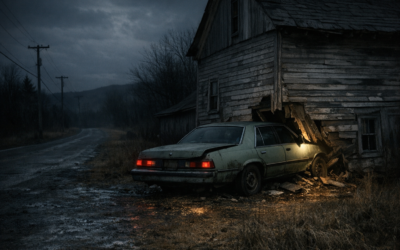
What Happened to Brianna Maitland? The Abandoned House, the Car in the Wall, and the Vermont Disappearance That Still Feels Frozen in Time
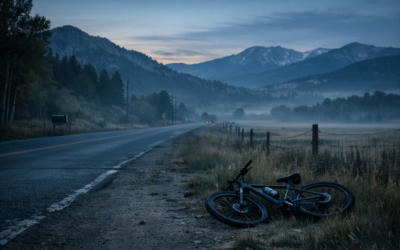
What Happened to Suzanne Morphew? The Mother’s Day Ride, the Missing Hours, and the Colorado Case That Still Won’t Settle
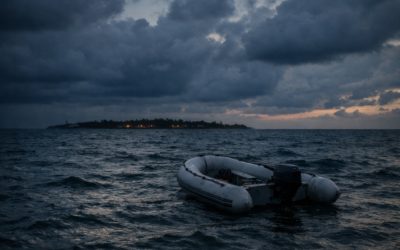
Disappearances at the Water’s Edge: Cruise Ships, Beaches, Final Swims, and the Cases the Sea Never Gave Back
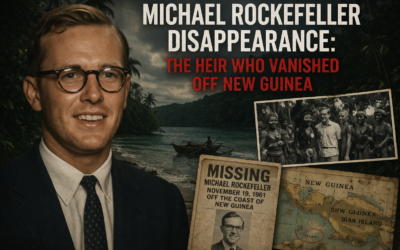
What Happened to Michael Rockefeller? The Final Swim Toward Shore That Ended in Mystery
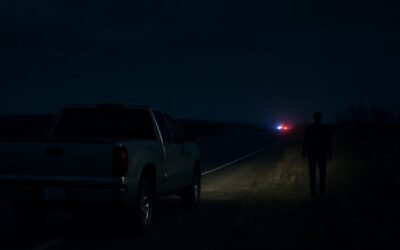
What Happened to Brandon Lawson? The 911 Call, the Truck on Highway 277, and the West Texas Night That Still Won?t Explain Itself
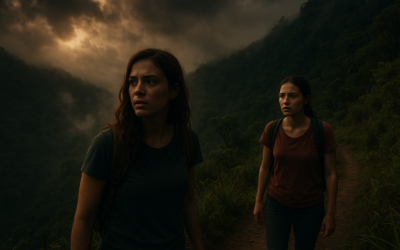
Kris Kremers and Lisanne Froon Disappearance — The Panama Hike That Turned Into a Mystery
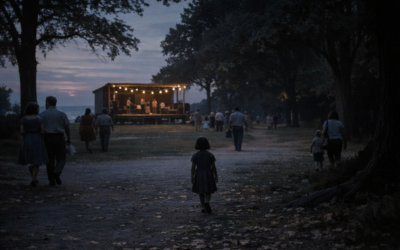
What Happened to Beverly Potts? The Showagon Night and the Cleveland Child Who Vanished Steps From Home
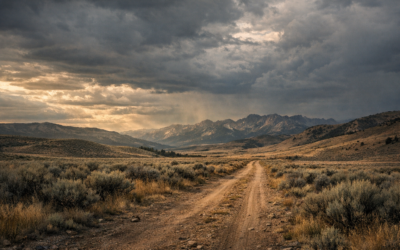
What Happened to Amy Wroe Bechtel? The Wyoming Trail Run and the Open Country That Never Gave Her Back

What Happened to Brandon Swanson? The 47-Minute Phone Call, the Scream in the Dark, and the Search That Still Has No Ending

Sudiksha Konanki Disappearance — The Spring Break Mystery That Triggered Global Attention
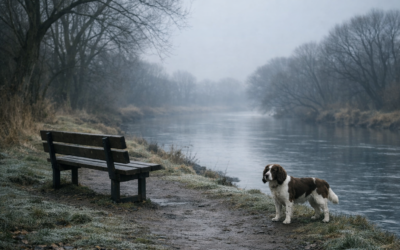
What Happened to Nicola Bulley? The Riverside Timeline and the Missing Minutes That Still Divide Opinion
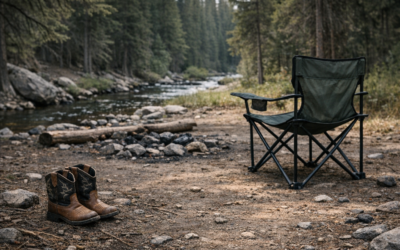
What Happened to DeOrr Kunz Jr.? The Campground Timeline and Contradictions That Still Divide This Idaho Case

Why Wilderness Searches Become So Difficult
A wilderness search rarely begins with a precise location. Investigators may know where a vehicle was parked, where a hiker signed a trail register, or where a witness last saw the missing person. That point is only the beginning.
A person can leave a trail, follow an animal path, descend toward water, seek shelter, become injured, or move farther than searchers expect. Thick vegetation, steep slopes, loose rock, snow, streams, and uneven ground can conceal someone only a short distance from a marked route.
Search teams must also decide whether the missing person remained mobile, became injured early, intentionally changed direction, or encountered another person.
The last confirmed path may branch into several possible routes within minutes.
Rain, snow, heat, fog, and wind can destroy tracks and narrow survival time.
Remote areas may produce no reliable phone location or final digital trail.
One incorrect assumption can send teams away from the route actually taken.
How Quickly a Familiar Trail Can Become Unfamiliar
People often underestimate how easily orientation can change outdoors. A marked trail may be obvious in one direction and difficult to recognize when viewed from the opposite side.
Fog, darkness, snow, fallen branches, or a brief detour can hide trail markers. A person may believe they are walking parallel to a road while gradually moving farther away from it.
Even experienced hikers can make decisions that seem reasonable in the moment but enlarge the distance between them and rescuers. Moving downhill may appear to lead toward civilization, while actually entering a drainage area or ravine that is harder to search.
Why Found Belongings Do Not Always Reveal the Route
A backpack, jacket, phone, shoe, water bottle, or piece of equipment can become a major clue. But an object’s location does not always prove when or why it was left behind.
The missing person may have dropped it accidentally, removed it because of heat, placed it somewhere intentionally, or lost it during an injury. Water, animals, weather, or another person may also move an item from its original position.
Investigators must determine whether the object was genuinely connected to the missing person and whether its condition supports one explanation over another.
Explore disappearance cases where one small clue rewrote the entire timeline to see how an overlooked object or location can change a search.
The Difference Between Survival and Disappearance
Wilderness cases often begin as rescue operations. Searchers may initially believe the person is lost, injured, or waiting for help.
As time passes, the investigation becomes more complicated. Search teams must consider exposure, dehydration, falls, water, medical emergencies, voluntary disappearance, and possible involvement by another person.
Real survival stories show that people can remain alive in remote conditions far longer than expected. Juliane Koepcke survived a fall from an aircraft and endured eleven days alone in the Amazon rainforest before finding help.
Read the Juliane Koepcke survival story for an example of how distance, vegetation, injury, and isolation can separate a survivor from rescuers.
When Water Changes the Search
Rivers, lakes, coastlines, and steep drainage areas create special difficulties. Currents can move a person or personal belongings far from the original location. Depth, visibility, debris, temperature, and underwater terrain can limit search equipment.
A person may also disappear near water without entering it. Investigators must avoid assuming that the nearest lake, river, or shoreline automatically explains the case.
Our investigation into disappearances at the water’s edge examines cases involving beaches, cruise ships, final swims, shorelines, and the uncertainty created when water becomes part of the timeline.
Why Search Areas Must Sometimes Be Revisited
A location can be searched thoroughly and still contain undiscovered evidence. Searchers may pass near a person hidden by vegetation, terrain, snow, or elevation.
The original search may also have been based on an incorrect direction of travel. New phone data, witness information, maps, photographs, or recovered belongings can later suggest that teams were looking in the wrong area.
Seasonal changes sometimes expose locations that were inaccessible during the first search. Lower water levels, melted snow, cleared vegetation, and improved mapping can make a renewed search worthwhile years later.
Can Wilderness Disappearances Be Solved Years Later?
Yes. Remains, clothing, equipment, vehicles, or personal belongings may be discovered long after the original search ends.
New mapping tools, aerial imaging, sonar, phone data, improved search techniques, and information from witnesses can lead investigators back to places that were overlooked or misunderstood.
Some cases are resolved when environmental conditions change. Drought exposes submerged vehicles. Snow melts. Vegetation is cleared. A hunter, hiker, construction crew, or landowner enters an area that was previously inaccessible.
The Disappearances Solved Years Later collection shows how one new discovery can reopen a search that once appeared to have reached its end.
Frequently Asked Questions
Why are outdoor disappearances so difficult to investigate?
Outdoor searches may cover large areas with steep terrain, thick vegetation, water, poor visibility, and limited roads. Weather can erase tracks, move belongings, or prevent search teams from reaching certain locations.
Can someone be missed during a large wilderness search?
Yes. A person can be concealed by brush, rocks, elevation, snow, water, or a depression in the ground. Searchers may pass nearby without seeing them, especially when the search area is large or the original route assumption is wrong.
How useful is phone data in a wilderness disappearance?
Phone data can help establish a final connection or general area, but remote coverage is often limited. A tower connection does not always identify an exact location, and a phone may stop transmitting because of terrain, battery loss, damage, water, or lack of service.
Does finding a missing person’s belongings prove where they went?
Not always. An item may have been dropped, intentionally removed, carried by water, moved by animals, or discovered away from its original location. Investigators examine the object’s condition and surroundings before deciding what it means.
Can a wilderness disappearance be solved decades later?
Yes. Cases may be resolved through recovered remains, personal belongings, submerged vehicles, improved mapping, renewed searches, DNA identification, or a witness revealing information that changes the original search area.
The Trail Ended, but the Search Did Not
Return to the complete Disappearances collection to explore wilderness searches, last sightings, recovered vehicles, camera footage, witness reports, and the cases that still wait for answers.
Explore All Disappearances →