
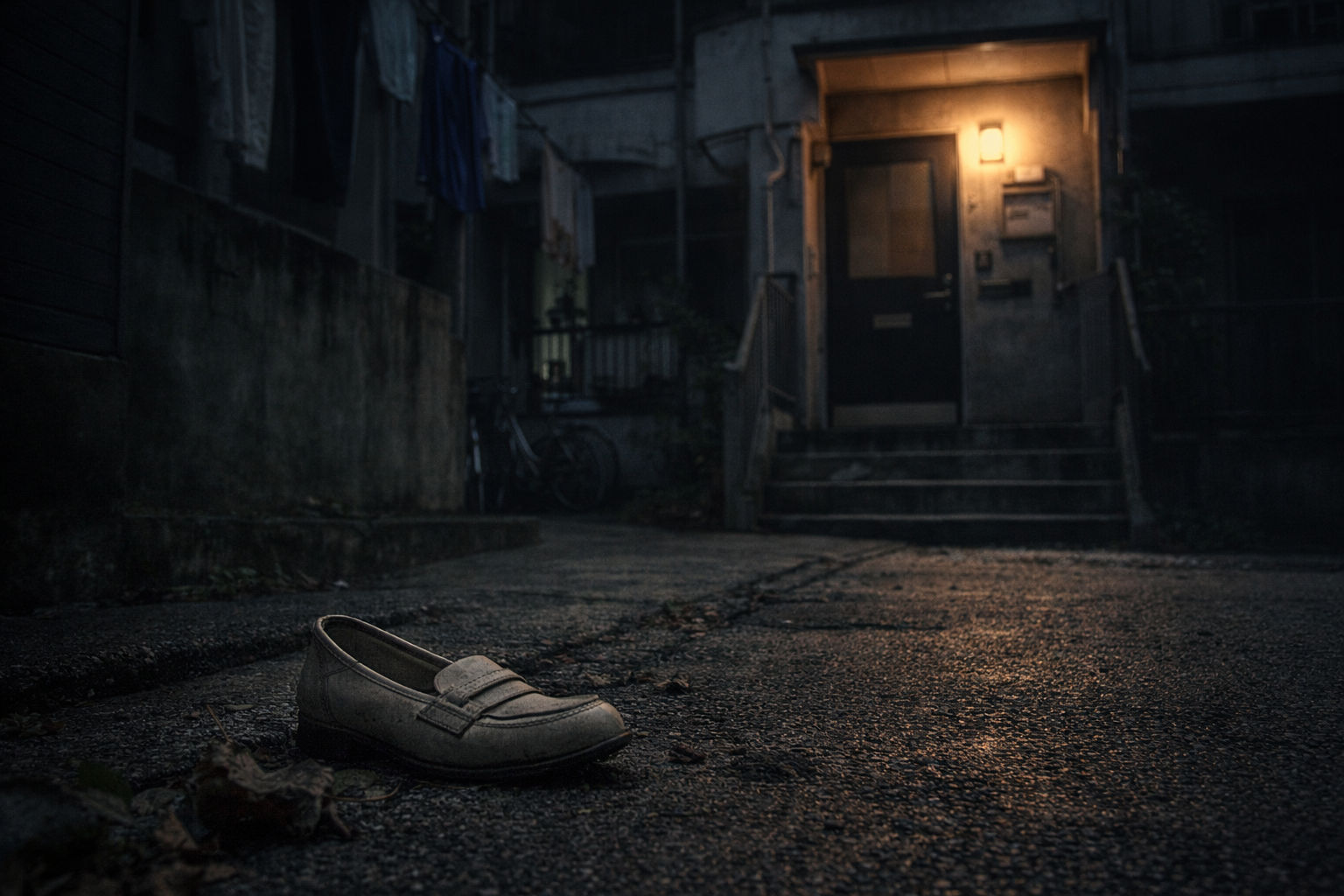
Most true crime cases are horrifying for what happened in a single moment. The Junko Furuta case became infamous because the nightmare lasted for 44 days. What began as a normal walk home from school in 1988 turned into one of the most disturbing criminal cases in modern Japanese history — a case that still raises difficult questions about fear, silence, and how so many warning signs failed to stop the tragedy.
Who Was Junko Furuta?
Before the headlines, before the documentaries, and before the internet turned her case into one of the most searched true crime stories in the world, Junko Furuta was simply a seventeen-year-old girl trying to build a future. She lived in Japan’s Saitama Prefecture and was known by classmates as polite, hardworking, and quiet. Teachers described her as responsible. Friends remembered her as kind and dependable. She attended high school, worked part-time after classes, and helped her family at home. Her life looked ordinary in the way most teenage lives do — school during the day, work after class, dinner at home, plans for the future somewhere in the distance. Nothing about her routine suggested danger. That is one reason the story continues to disturb people decades later. There was no risky lifestyle, no criminal background, no mysterious disappearance into another world. Junko vanished during a completely normal afternoon while walking home from work. And for more than forty days, almost nobody understood where she really was.
The Day Junko Furuta Disappeared
On November 25, 1988, the streets around Misato looked calm and ordinary. Students rode bicycles home from school. Stores were preparing to close for the evening. Families were beginning dinner routines as winter darkness slowly settled over the neighborhood. Somewhere along that route, Junko was approached by teenage boys tied to local delinquent groups. According to later court testimony, one of the boys had noticed her earlier and targeted her deliberately. The group used intimidation and deception to force her into captivity. What happened next would eventually shock the entire country of Japan. Junko was taken to a house in Tokyo connected to one of the offenders. Inside that house, she would remain trapped for approximately 44 days. At first, her disappearance did not immediately trigger nationwide panic. Like many missing person cases, people hoped there was a simple explanation. Maybe she stayed with friends. Maybe she missed transportation home. Maybe she left voluntarily for a short time. But as hours turned into days, concern became fear. Her family searched desperately for answers while police attempted to understand what had happened. Unknown to them, Junko was being held only a short distance away inside a residential neighborhood filled with ordinary homes, families, televisions, traffic, and neighbors living normal daily lives. That detail still haunts many people today. The nightmare was happening in the middle of an ordinary community.
The 44 Days of Captivity
Inside the house, Junko endured prolonged abuse, intimidation, and violence carried out by multiple offenders. Investigators later described an environment of constant fear where threats and gang connections were used to maintain control over both the victim and the people around the offenders. Court records revealed that Junko was repeatedly threatened and manipulated into telling her family she had left voluntarily. That deception weakened the urgency of the search and bought the offenders more time. As the days passed, her condition deteriorated badly. The case became infamous not only because of the cruelty involved, but because it continued for so long without successful intervention. Neighbors reportedly heard disturbances. Other individuals entered the home during the captivity. Several people appear to have suspected something was seriously wrong. Yet fear kept people silent. The offenders were associated with violent youth gang culture and reportedly claimed ties to organized crime groups. Whether those claims were fully true or exaggerated, they created intimidation powerful enough to discourage intervention. That atmosphere of fear became one of the defining themes of the entire case. While Japan prepared for the holidays in December 1988, Junko remained trapped inside the house. Stores displayed New Year decorations. Families gathered for seasonal celebrations. Trains continued running on schedule. Daily life moved forward outside while, inside one home, a seventeen-year-old girl begged repeatedly to be allowed to go home. Those words — “let me go home” — became one of the most heartbreaking parts of the case for many people who later studied it. By early January 1989, Junko had suffered severe untreated injuries and could barely move. According to court proceedings, the violence had escalated dramatically during the final days of captivity. On January 4, 1989, Junko Furuta died. She was only seventeen years old.
How The Truth Was Finally Discovered
After Junko’s death, the offenders attempted to hide the crime and erase evidence. Her body was concealed and moved to an industrial area, where they hoped investigators would never uncover the truth. For a short time, it appeared they might succeed. But major crimes often create pressure that eventually breaks apart the silence surrounding them. Later in January 1989, police investigating unrelated criminal activity questioned one of the teenagers connected to the group. During questioning, information began to surface about Junko’s disappearance. Investigators followed those leads and eventually discovered the horrifying truth. When the details became public, Japan reacted with shock and outrage. Newspapers struggled with how to report a case so disturbing that many readers found the details difficult to process. Television coverage spread nationwide. The story rapidly became one of the country’s most infamous criminal cases. Even today, decades later, the case remains deeply remembered in Japan.
Why The Junko Furuta Case Still Disturbs People
Many crimes fade from public memory over time. This one never fully disappeared. Part of the reason is the length of the captivity. Another reason is the age of the victim. But the largest reason may be the uncomfortable social questions the case forced people to confront. How could something this extreme continue for forty days? Why did fear silence so many people? Could somebody have stopped it earlier? Those questions transformed the case from a horrifying crime into a broader discussion about society, fear, gang intimidation, and public responsibility. Many experts later pointed to the “bystander effect,” a psychological phenomenon where people hesitate to intervene during dangerous situations because they assume someone else will act first. In this case, fear appears to have intensified that effect dramatically. The offenders reportedly created an atmosphere where neighbors and others around them feared retaliation if they contacted authorities. That silence became part of the tragedy. The case also triggered intense public debate about Japan’s juvenile justice laws because the main offenders were teenagers at the time of the crime. Under Japanese law, restrictions existed regarding the release of juvenile identities and sentencing structures. Many members of the public believed the punishments were too lenient considering the scale of the crime. The controversy fueled nationwide discussions about criminal accountability, sentencing reform, and victim rights that continued long after the trial ended.
The Legacy Of The Case
Over the years, the Junko Furuta case has appeared in documentaries, books, internet discussions, and true crime analysis around the world. Unfortunately, some online retellings focus only on shock value, reducing the tragedy into graphic headlines designed purely to horrify readers. But the reason this case truly matters is not because it was “disturbing.” It matters because a real teenager lost her future while many opportunities to intervene slipped away. Junko Furuta was not a fictional horror character. She was a daughter, a classmate, a coworker, and a young woman with plans for adulthood that she never had the chance to reach. Remembering that changes the way the story should be told. The case remains an example of how fear, intimidation, silence, and delayed action can combine into catastrophe. It is also a reminder that ordinary communities are not automatically safe simply because they appear normal from the outside. Sometimes the most horrifying situations exist behind completely ordinary doors.
Questions People Still Ask About The Case
Why is the Junko Furuta case so well known?
The case became internationally known because of the unusually long captivity period, the public outrage surrounding the crime, and the ongoing debates about juvenile sentencing and accountability in Japan.
Were the offenders minors?
Yes. Several of the main offenders were juveniles at the time of the crime, which affected how Japanese media and courts handled aspects of the case.
Did the case change Japanese law?
The case contributed to larger national conversations in Japan regarding juvenile crime, sentencing, and victim protections, although debates over reform continued for years afterward.
Why do people still talk about the case today?
The case remains deeply remembered because it raises difficult questions about bystander silence, fear, gang intimidation, and how warning signs were missed for so long.
Final Thoughts
On the afternoon Junko Furuta disappeared, she should have been able to walk home safely like thousands of other students across Japan. She should have gone home to dinner. She should have continued planning her future. Instead, her life became part of one of the darkest criminal cases in modern history. Decades later, people still remember her name — not because violence deserves to be glorified, but because victims deserve to be remembered as human beings, not simply as headlines. And behind every true crime case is exactly that: a real person who should have had more time.
🔎 If this story stayed with you, the author suggests these real cases next:Explore more true crime stories here: View all true crime stories →
- The crime that exposed a chilling obsession
- The case revealed through recordings too disturbing to forget
- The mystery that became one of the most infamous crimes in history
Watch This Story on YouTube
Prefer to watch? See the full story on our YouTube channel.
I hope that her family is okay if they are still around, this is such a horrible case… Justice for Junko!!!
Find those men.. yes men… and deliver real justice.. you folks have names i can .. look up?
Their names are Hiroshi Miyano (18 years old), Jo Ogura (17 years old), Shinji Minato (16 years old), Yasushi Wanatabe (17 years old), Tetsuo Nakamura (16 years old), and Koichi Ihara (16 years old)