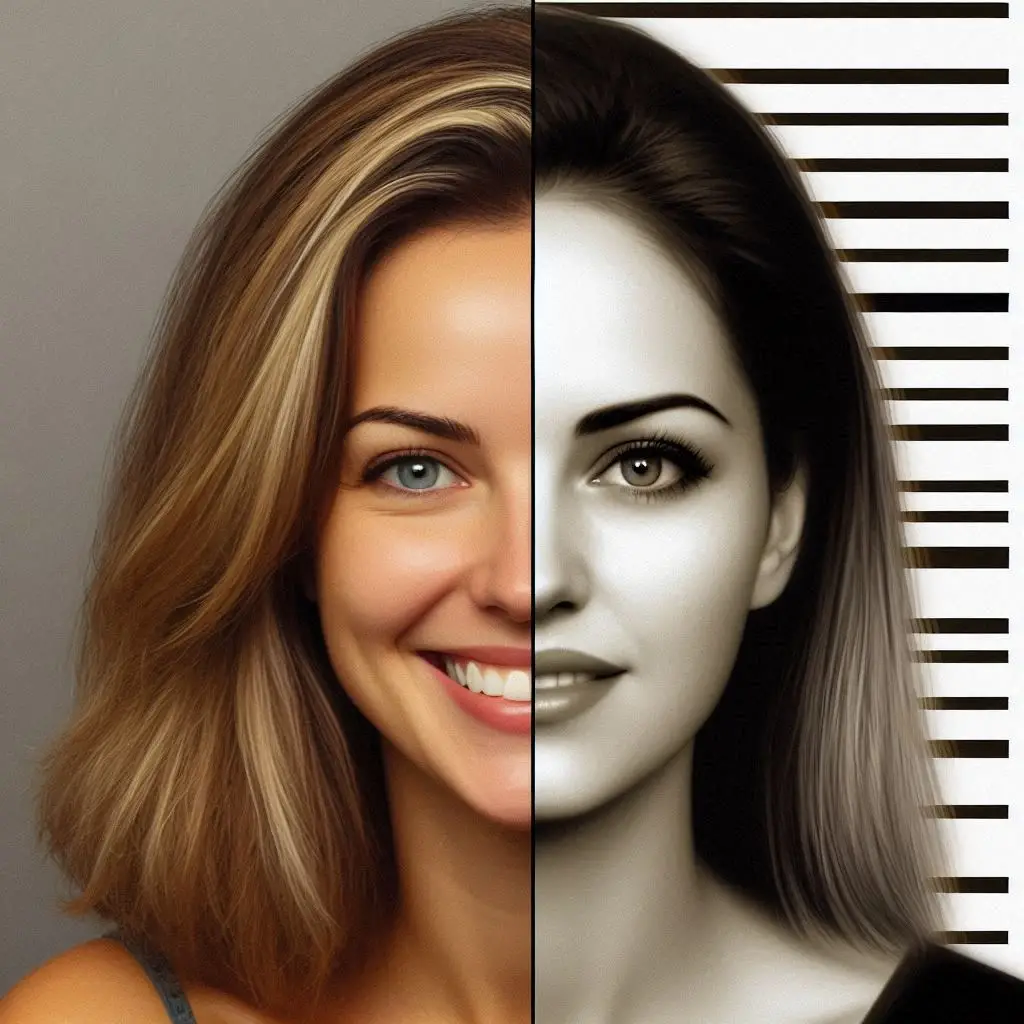
On Thanksgiving morning in 2016, a woman appeared on the side of a rural California road with a chain around her waist, zip ties on her wrists, and injuries that looked like proof of a nightmare. She said she had been kidnapped. She said she had been tortured. For a few stunned hours, it looked like one of the most terrifying missing-person cases in the country had ended in a miracle.
Listen to “The Shocking Truth Behind Sherri Papini’s Kidnapping” on Spreaker.
But the longer investigators looked at the Sherri Papini kidnapping case, the less it felt like a survival story and the more it felt like a performance built under pressure. What began as a frantic search for a missing California mother eventually became one of the most notorious disappearance hoaxes in recent true crime, not because the lie was small, but because it was built to exploit the exact emotions real cases depend on: fear, sympathy, urgency, and hope.
That is part of why the case still holds people. Like the digital evidence trail in the Kelsey Berreth case, this story did not collapse all at once. It cracked in stages. Every new fact made the original version harder to believe, until the question stopped being where Sherri Papini had been and became something colder: how far had she gone to make the story look real?
The disappearance that seemed to trigger every parent’s worst fear
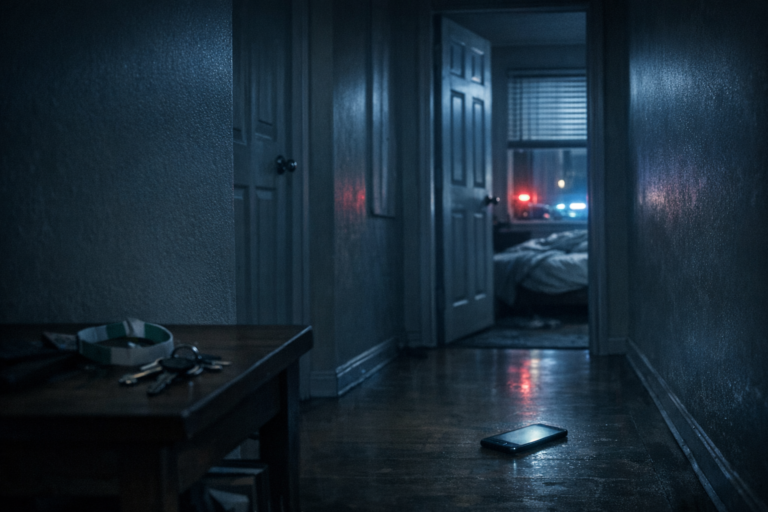
On November 2, 2016, Sherri Papini left home in Redding, California, supposedly for an afternoon jog. When she did not pick up her children from daycare and could not be reached, alarm turned into panic fast. Her husband, Keith Papini, used an app to trace her phone and found it abandoned along a road with her earbuds nearby. The image was chilling because it looked staged in the exact way real abduction scenes sometimes do: not chaotic enough to explain itself, but disturbing enough to suggest something bad had interrupted an ordinary day.
That was all it took for the case to explode. Search teams mobilized, national media picked it up, and Sherri was quickly cast as the suburban mother who vanished in broad daylight while doing something routine. For twenty-two days, that fear drove the story. Then, before dawn on Thanksgiving, a driver in Yolo County spotted a woman on the roadside. She was bruised, underweight, and restrained. It was Sherri Papini, more than a hundred miles from where she had disappeared.
At first glance, the return only deepened the horror. She told investigators she had been abducted by two Hispanic women, held captive, and abused. Her hair had been cut. She had a branded mark on her shoulder. There were visible injuries. The account seemed built from the kind of details that demand belief because disbelief feels cruel. In stories like this, people want the victim safe first and the unanswered questions later.
But almost immediately, investigators ran into a problem. The case was emotionally powerful. The evidence was not emotionally obedient.
Timeline of Events
- November 2, 2016: Sherri Papini disappears after reportedly going for a jog near her home in Redding, California.
- Later that day: Her phone and earbuds are found along a road, helping trigger a major search effort.
- November 24, 2016: Papini is found in Yolo County on Thanksgiving morning with injuries and restraints, claiming she was kidnapped.
- 2016–2020: Investigators continue working the case, but the physical evidence and her account leave major inconsistencies.
- 2020: DNA analysis and genetic genealogy help investigators trace male DNA on her clothing to a line connected to ex-boyfriend James Reyes.
- 2020–2021: Reyes tells investigators Papini had been staying with him voluntarily in Southern California during the time she was supposedly missing.
- March 2022: Papini is arrested and charged with making false statements and mail fraud.
- September 2022: She is sentenced to prison and ordered to pay restitution.
The timeline matters because it shows how the case transformed. For the public, the central event was the roadside return. For investigators, the central event was the long quiet period after it, when evidence had to decide whether the story could survive contact with reality.
The return was dramatic. The details were unstable.
Papini’s account was designed around terror: masked captors, isolation, violence, and survival. But the longer investigators worked with it, the less stable it became. Her descriptions of the kidnappers were vague. Key details were either unclear or too thin to produce a credible trail. There was no clean investigative path leading from the abandoned phone to a real abduction network, no believable chain that made the entire sequence lock into place.
Then there were the injuries. They were real enough to photograph, real enough to intensify public sympathy, but difficult to reconcile with the kind of captivity story being told. Some damage looked theatrical rather than chaotic. The branding especially raised pressure, because it felt like one of those details meant to carry symbolic weight in a press narrative. It was not just an injury. It was the kind of injury that announces itself as proof.
And then DNA entered the story like a blade.
Male DNA was found on Papini’s clothing. That alone did not solve the case, but it disrupted the shape of the original version. She had described female kidnappers. The evidence had introduced a male presence. That did not automatically mean deception, but it meant the case no longer rested on emotion alone. It had to survive forensic gravity.
What didn’t add up
- The physical scene looked selective: the abandoned phone and earbuds created alarm, but also seemed positioned in a way that invited interpretation.
- Her description of the kidnappers stayed frustratingly thin: after weeks of alleged captivity, investigators still did not have a vivid, workable portrait of who these women were supposed to be.
- The injuries created sympathy but not clarity: they made the story dramatic without necessarily making it coherent.
- The DNA evidence did not fit the account: male DNA on her clothing created a direct evidentiary contradiction investigators could not ignore.
- The case produced national attention without producing a believable abduction trail: that mismatch kept building investigative pressure in the background.
How the lie held together without immediate collapse
One of the most unsettling parts of the Sherri Papini case is that the deception did not fail in the first week. It survived because investigators are not supposed to dismiss a returned victim just because parts of the story are hard to explain. Real trauma can produce gaps and contradictions. That gave Papini’s account a kind of protective shell.
It also helped that the case delivered compelling visuals: restraints, weight loss, cut hair, the branded shoulder, the roadside discovery. The hoax did not simply waste time. It borrowed the visual language of real victimization and used it as cover.
Investigators, though, kept moving. Years later, they used genetic genealogy to push the unknown male DNA further. That strategy has changed modern casework in all kinds of investigations, from cold murders to long-stalled identity puzzles. Here, it did something simpler and more devastating. It gave the case a direction.
The DNA line led to James Reyes, an ex-boyfriend living in Southern California. When investigators confronted that lead, the story Papini had carried for years began to cave inward.
Key evidence and clues
- Male DNA on the clothing: this became the most important forensic contradiction in the case.
- Genetic genealogy: investigators used family-line matching to narrow the DNA to someone connected to James Reyes.
- Reyes’s account: he told investigators Papini had contacted him and stayed with him voluntarily during the period she was supposedly captive.
- Phone and communication records: those records supported the idea that the disappearance had been planned rather than imposed by strangers.
- Self-inflicted or staged injury details: these helped explain why the visible evidence looked dramatic but failed to lead outward to real kidnappers.
Reyes told investigators that Papini had reached out to him, asking for help getting away. According to his account, he drove to pick her up and took her to his apartment in Costa Mesa, where she stayed voluntarily for the duration of the supposed kidnapping. He said she injured herself, lost weight intentionally, and even requested the branding that later shocked the public.
If that account was true, then the case was not a failed abduction investigation. It was a staged vanishing built around a planned return.
And once that possibility became reality, nearly every earlier scene changed meaning. The abandoned phone was no longer just a clue. It was a prop. The roadside return was no longer just an escape. It was an ending chosen for maximum impact. Her false claim about two Hispanic women also made the hoax more damaging, because it aimed fear and suspicion at people who did not exist.
By the time Papini was arrested in 2022, the case had completely inverted. What once looked like a woman surviving a kidnapping now looked like a woman trying to preserve a lie after it had already begun to rot. She eventually admitted the deception, pleaded guilty, and was sentenced to prison. Restitution followed. So did divorce, public humiliation, and the permanent collapse of the story that had once made her a national symbol of victimhood.
Cases like this also linger because they create anger at the person who lied and fear about the damage that lie can do to real victims later. That is part of why the case sits beside stories where investigators had to work through evidence pressure slowly, whether in the BTK investigation or in cases where one late forensic break reopened everything, like this archive of disappearances solved years later.
In the end, the Sherri Papini story did not become memorable because it was a mystery. It became memorable because it pretended to be one. It borrowed panic, empathy, relief, and outrage from real missing-person cases, then slowly exposed itself as something colder and more manipulative. That is why people still return to it. The haunting question is not whether she came back. It is how far she went to make the lie look real.
FAQ
What happened to Sherri Papini?
Sherri Papini disappeared in California in 2016 and reappeared twenty-two days later claiming she had been kidnapped. Investigators later concluded the kidnapping story was false and that she had been staying voluntarily with ex-boyfriend James Reyes.
Was the Sherri Papini kidnapping real?
No. Federal investigators said the kidnapping was a hoax, and Papini later admitted she had lied to investigators. The case ultimately became a criminal false-statements and fraud case rather than a real abduction case.
How did investigators figure out Sherri Papini was lying?
The biggest break came from DNA found on her clothing. Genetic genealogy helped investigators connect that DNA to a line tied to James Reyes, whose account and supporting phone records helped unravel the story.
Why does the Sherri Papini case still get attention?
It still gets attention because it began like a terrifying missing-person case and ended as a carefully staged deception. That reversal, and the damage it did to public trust, made it unforgettable.
What sentence did Sherri Papini receive?
In 2022, Papini was sentenced to prison and ordered to pay restitution after pleading guilty to making false statements and committing mail fraud.
🔎 Related Investigation:
🔎 If this story stayed with you, the author suggests these real cases next:
- The missing mother case where digital clues finally broke the lie open
- The serial killer who was undone by a floppy disk and his own arrogance
- Cold disappearance cases that only cracked when one late break changed everything
Explore more Solved Cases stories here: