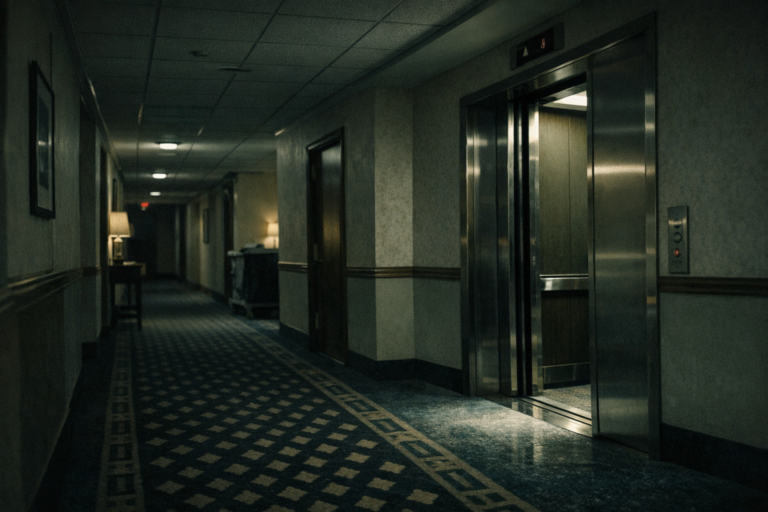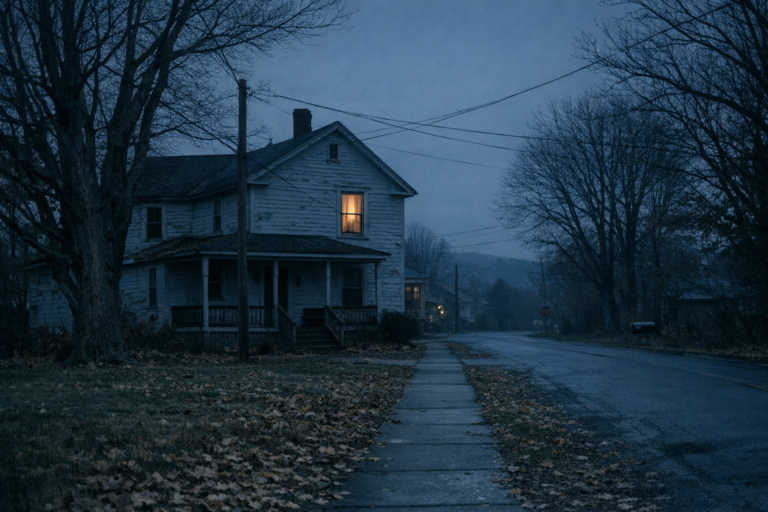
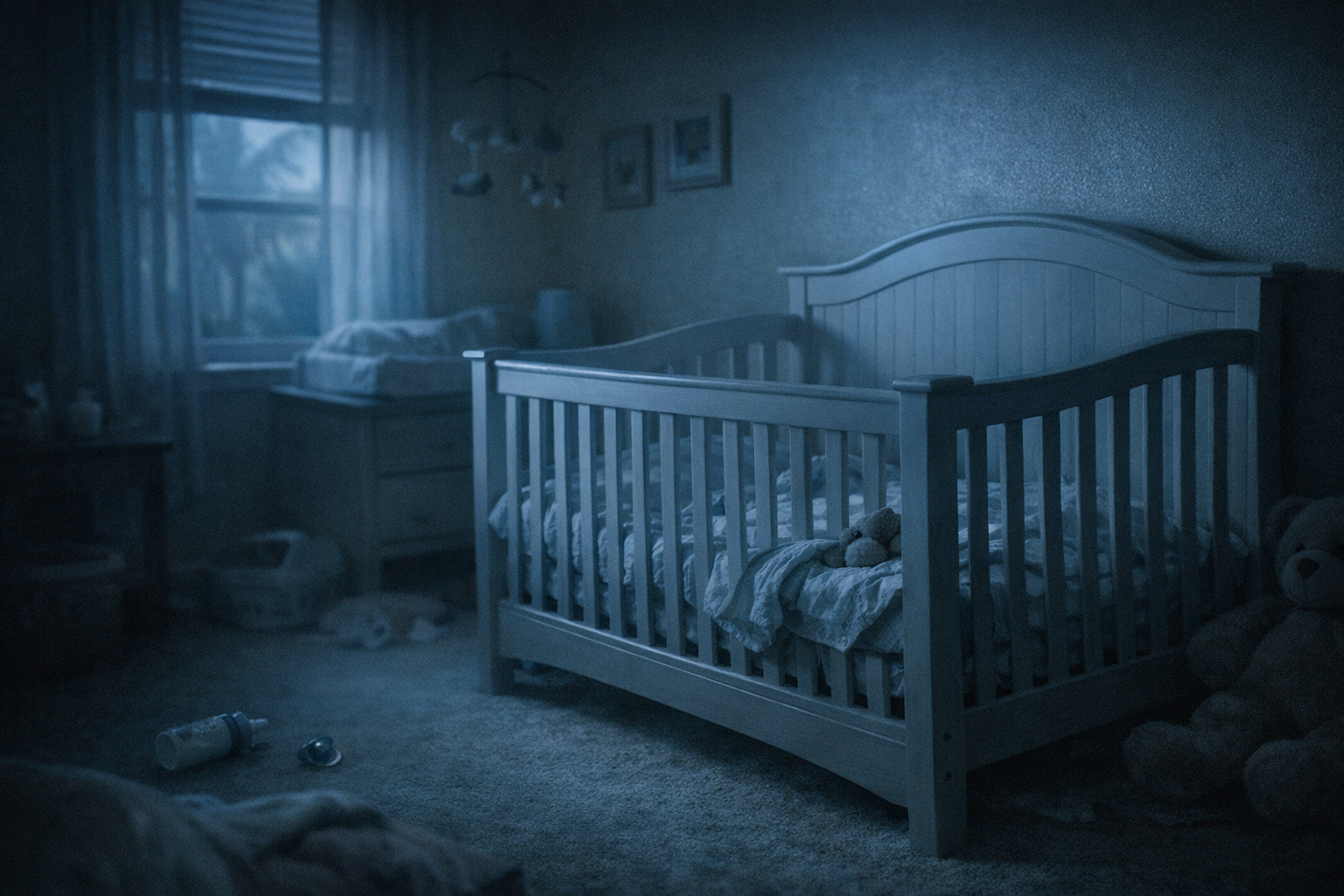
On November 24, 1997, Steve and Marlene Aisenberg reported their five-month-old daughter missing from her crib in Valrico, Florida. They said they discovered her absence around 6:30 a.m. A handmade yellow blanket was also gone.
Some disappearances begin on highways, in parking lots, or on dark stretches of road. Sabrina Aisenberg’s began inside a baby’s room, in the place that should have felt safest of all. And that may be why the case has never really let go of people. It feels wrong in a way that bypasses reason before reason ever gets a chance.
Sabrina Aisenberg’s unsolved disappearance remains one of Florida’s most haunting missing person cases because she was only five months old when she vanished from her crib in Valrico in November 1997. Nearly three decades later, the case still matters because the evidence never produced a clear answer, the suspicion kept shifting, and the one question at the center of it all has never settled: how does a baby disappear from inside her own home without a trace?
That unsettling sense of violated safety is part of what connects Sabrina’s case to other stories in the Missing Children and Teens Archive, where ordinary family spaces and routines suddenly turn into lifelong mysteries.
Sabrina lived with Steve and Marlene Aisenberg and her two older siblings. Her mother said she was asleep in her crib around midnight before the family discovered her missing that morning.
According to Marlene, Sabrina was asleep when she checked around midnight. The parents said they woke around 6:30 a.m. and found her missing.
The missing blanket is part of the family’s account, but does not establish how Sabrina left the home.
The parents reported that the garage door and the door into the house were open. ABC’s August 2026 reporting describes a boot print in Sabrina’s room and an unidentified blonde hair in her crib, but no signs of forced entry. Those details have not established an intruder’s identity.
If you stop there, the shape of the story seems obvious. A baby disappears in the middle of the night. There are signs that someone may have entered the home. The case should move outward, toward a kidnapper, a witness, a vehicle, a trail. But Sabrina Aisenberg’s case never moved in a straight line. It folded inward instead.
Timeline of Events
- Late evening, November 23, 1997: Sabrina is put to bed in her crib at the family’s home in Valrico, Florida.
- Around 12:00 a.m., November 24: Marlene Aisenberg later says she checks on Sabrina and sees her asleep.
- Around 6:30 a.m., November 24: Her parents say they discover Sabrina missing.
- Initial investigation: Deputies examine the home, including a boot print and unidentified blonde hair.
- Weeks later: Suspicion intensifies around Sabrina’s parents, Steve and Marlene Aisenberg.
- December 1997–March 1998: Authorities secretly record conversations in the home.
- 1999: The parents are indicted on conspiracy-related charges tied to statements made during the investigation.
- 2001: A judge rules investigators misled the court in obtaining wiretaps, the transcripts are heavily discredited, and the charges are thrown out.
- Years later: The case remains unsolved, with Sabrina still missing and no definitive explanation ever established.
That turn is what keeps this case from becoming just another old headline. In many missing child cases, the emotional center is the search itself. Here, the emotional center kept moving. First there was fear of an abduction. Then the spotlight swung hard toward the parents. Then the evidence used to support that suspicion began to crack. By the time the public tried to understand what was left, the case was no longer one mystery. It was three separate mysteries stacked on top of each other.
The first mystery was Sabrina’s disappearance. The second was whether the people closest to her had been wrongfully accused. The third was what years of that suspicion did to the case itself.
Suspicion focused on Steve and Marlene, who denied involvement. The prosecution later relied on disputed recordings rather than a recovered child or established account of what happened.
Authorities placed listening devices in the home. The 2004 appellate opinion records 79 days of surveillance and about 2,600 conversations. Prosecutors alleged incriminating statements; judicial review found the recordings largely unintelligible and key supporting statements misquoted or taken out of context.
In February 2001, prosecutors dropped the charges before trial. The case did not end in a conviction or a trial acquittal. In 2004, the appeals court ordered $1,494,650.32 in attorney’s fees and litigation expenses.
That collapse did not solve Sabrina’s disappearance. It only deepened it.
What Doesn’t Add Up
- Physical clues did not establish an intruder. A boot print and hair did not resolve who took Sabrina.
- A yellow blanket was also missing. It remains a potentially useful identifying detail.
- The wiretap drama consumed the case. Once the parents became the center of the story, the investigation’s energy shifted away from the original abduction question and into a courtroom fight over what the tapes did or did not prove.
- The public was left with competing stories, not a resolution. One version says an intruder entered a suburban home and vanished with a baby. Another says investigators locked onto the parents too hard, too early. Neither version has ever fully closed the gap.
The dismissed prosecution left Sabrina’s disappearance unresolved. Suspicion alone cannot establish responsibility.
And because Sabrina was an infant, there is almost no personal trail to follow. As an infant, she could not leave the personal messages or independent itinerary that sometimes help investigators trace a missing adult. Cases like Missing After a Short Walk terrify readers because the distance between normal life and disappearance is tiny. Sabrina’s case is even more intimate than that. She did not vanish on the way somewhere. She vanished before life outside the house had really started.
That detail is why the nursery matters so much in the emotional logic of the story. People remember the crib. They remember the blanket. They remember the image of parents waking up and walking into a room that should have been unchanged from a few hours earlier. The domestic setting is not background scenery here. It is the wound itself. The case begins in a space designed for protection, and from that moment on, every familiar household detail feels contaminated by doubt.
Why This Case Still Gets Attention
Sabrina Aisenberg’s disappearance still draws attention because it sits at the intersection of several fears people never really outgrow:
- The fear of intrusion: the idea that someone could enter a home quietly and leave with a child.
- The fear of false certainty: the possibility that investigators believed they had the answer and were wrong.
- The fear of permanent ambiguity: after all these years, the case still has no ending people can agree on.
- The passage of time: age-progression images and renewed media coverage keep forcing the same question back into view—if Sabrina lived, who is she now?
That last point gives the case a modern afterlife. It is no longer just a cold case from 1997. It has become a living absence. Every new age-progressed image reintroduces Sabrina not as the baby from the crib, but as an adult who might be somewhere in the world without knowing the full truth of her own story. That possibility—however remote, however fragile—is one reason people keep searching her name.
No verified public account establishes how Sabrina left the home or what happened afterward.
And that may be the real reason the case still feels unfinished. Not simply because Sabrina was never found, but because every major path in the story ends at a door that never fully opens. The evidence of intrusion never became a solved abduction. The suspicion around the parents never became a sustainable prosecution. The massive attention never became closure.
Nearly three decades later, the silence from that nursery still seems louder than it should. It lingers in the open garage door, the missing blanket, the disputed tapes, and the feeling that the case was always one breakthrough away from making sense. But the breakthrough never came.
So the question remains where it started: what happened in that house before sunrise on November 24, 1997? Until someone can answer that with real evidence, Sabrina Aisenberg’s story will remain one of the most unsettling missing person cases in Florida—because her disappearance remains unexplained.
Research Sources
The following resources were consulted to verify and update this article.
- National Center for Missing & Exploited Children — Missing Since 1997: New Image of Sabrina Aisenberg Could Spark Answers
The June 2026 appeal documents the parents’ account, missing yellow blanket and renewed age-progression image. - ABC News — What happened after 5-month-old Sabrina Aisenberg vanished from her crib
August 2026 interviews cover the physical evidence, dismissed prosecution and continuing search. - U.S. Court of Appeals for the Eleventh Circuit — United States v. Aisenberg, No. 03-10857 (2004)
The published opinion records the failed wiretap evidence, dismissed indictment and final legal-fee award.
🔎 If this story stayed with you, the author suggests these real cases next:
- A 9-year-old who vanished into the dark on a North Carolina highway
- The school-day disappearance of Kyron Horman that still has no ending
- The cases where one final sighting changed the entire mystery
Explore more Disappearances stories here: