Watch This Story on YouTube
Prefer to watch? See the full story on our YouTube channel.
The ransom note was already strange before anyone knew a murder had occurred. It was nearly three pages long. It demanded an oddly specific amount of money. It appeared to have been written inside the house itself. And while police searched for a kidnapped six-year-old girl on the morning after Christmas, the child they were desperately looking for was still inside the home. Nearly thirty years later, the murder of JonBenét Ramsey remains one of the most debated true crime cases in America—not because there are no clues, but because almost every clue seems to point in a different direction.
What happened to JonBenét Ramsey? JonBenét Ramsey was a six-year-old girl found murdered inside her family’s Boulder, Colorado home on December 26, 1996. A lengthy ransom note was discovered before her body was found in the basement. Despite decades of investigation, countless theories, DNA testing, and national attention, no one has ever been convicted of the crime.
Who Was JonBenét Ramsey?
Before she became the center of one of America’s most famous unsolved murder cases, JonBenét Ramsey was simply a little girl. She was six years old. She lived with her parents, John and Patsy Ramsey, and her older brother Burke in Boulder, Colorado. The Ramseys were financially successful, well-known in the community, and lived in a large home in one of the city’s most affluent neighborhoods. JonBenét was energetic, outgoing, and heavily involved in children’s beauty pageants. Those pageant photos would later become inseparable from the case itself, appearing on television screens around the world. But on Christmas night in 1996, she was not a headline. She was just a child spending the holiday with her family. No one knew that within hours, her name would become one of the most recognizable names in true crime history.
Christmas Night, 1996
The Ramseys spent Christmas Day visiting friends and celebrating the holiday. Later that evening, the family returned home. According to the family’s account, JonBenét was asleep when they arrived. She was carried inside and put to bed. The family planned to travel the next morning. It should have been an ordinary end to a holiday. Instead, it became the beginning of a nightmare. Sometime during the night, something happened inside the Ramsey home. Exactly what happened remains the central question of the case.
The Ransom Note
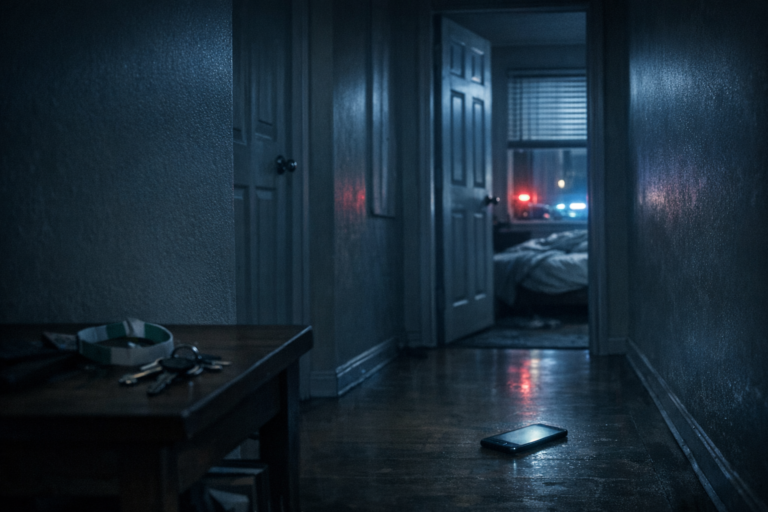
Shortly before 6:00 a.m. on December 26, Patsy Ramsey said she discovered a note on the staircase. At first glance, it appeared to be a kidnapping. The note claimed that JonBenét had been taken by a “small foreign faction.” It demanded $118,000. That number immediately stood out. It was almost identical to John Ramsey’s recent bonus from work. Investigators would later spend years debating what that detail meant. Was it proof that the writer knew the family personally? Was it an attempt to point suspicion toward someone close to the Ramseys? Or was it simply a bizarre coincidence? The note created even more questions because of its length. Most ransom notes are brief. This one was nearly three pages. Even stranger, investigators concluded that the paper and pen used to write it came from inside the Ramsey home. Whoever wrote it appeared to have spent significant time inside the house. That fact alone transformed the case. A kidnapper who arrives prepared is one thing. A kidnapper who sits down and writes a lengthy note inside the victim’s home is something entirely different.
The 911 Call
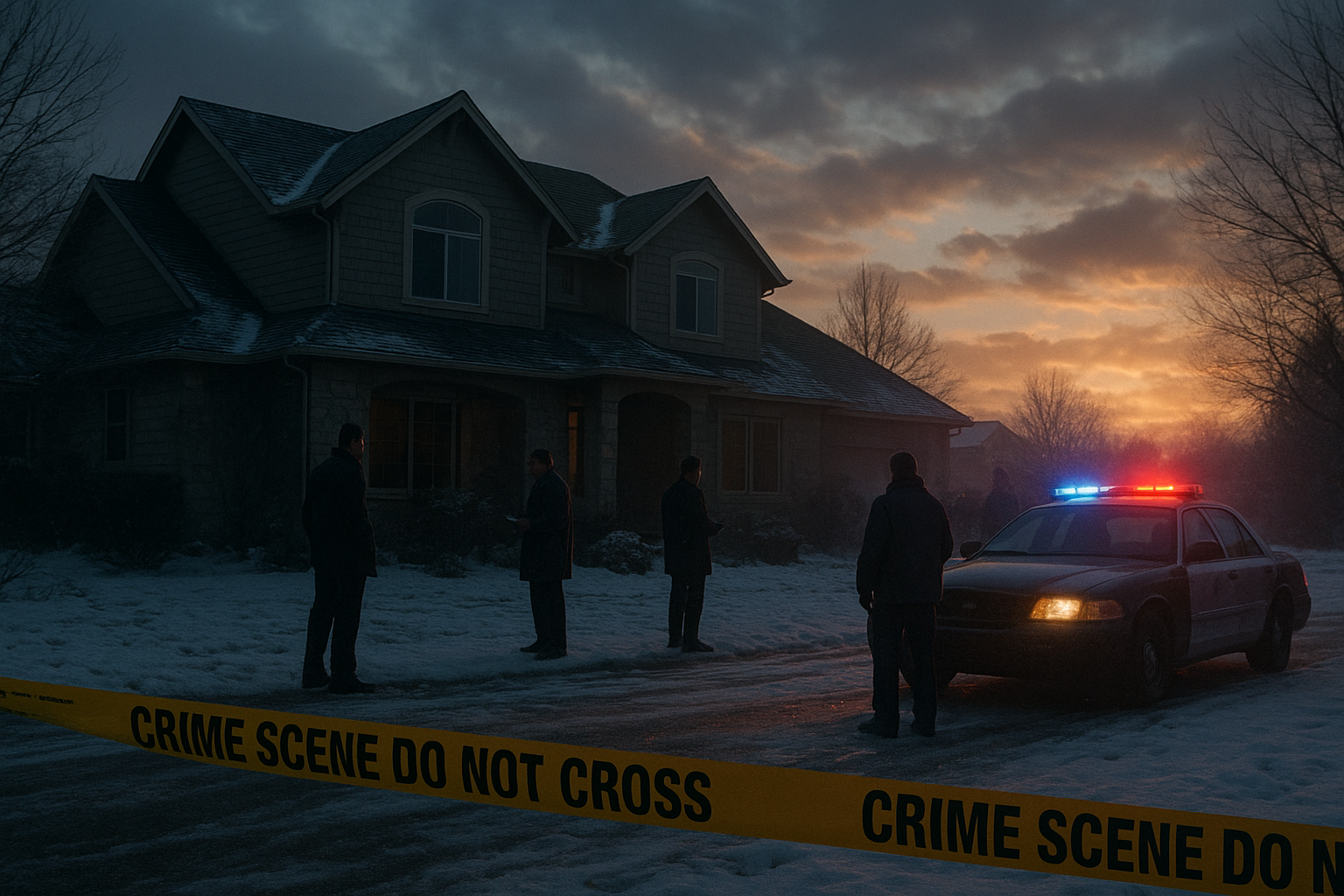
Despite the note’s warning not to contact authorities, Patsy Ramsey called 911. Police arrived quickly. But from the very beginning, the investigation encountered problems. Officers were responding to what appeared to be a kidnapping. The home was not treated like a homicide scene. Friends arrived. Family acquaintances entered the house. People moved through rooms. Potential evidence was unknowingly disturbed. Those early mistakes would haunt the investigation for decades. Many investigators later believed the first hours of the case represented a lost opportunity—one that may never be recovered.
The Discovery in the Basement
As the morning progressed, something continued to bother investigators. There was no contact from the supposed kidnappers. No follow-up instructions. No proof that JonBenét had ever been removed from the house. Then came the moment that changed everything. Later that day, John Ramsey and a family friend searched the home. John went into the basement. The basement was large, cluttered, and contained multiple storage areas. In a small room often described as a wine cellar, he found JonBenét. She was dead. The kidnapping case instantly became a murder investigation. In shock, John picked up his daughter and carried her upstairs. It was an understandable reaction from a grieving father. But it also further contaminated the scene. Potential evidence was altered. The original position of the body was disturbed. And investigators lost even more information during the most critical hours of the case.
Timeline of Events
December 25, 1996
- The Ramsey family celebrates Christmas.
- The family attends a holiday gathering.
- They return home later that evening.
Early Morning, December 26
- Patsy Ramsey discovers a ransom note.
- 911 is called.
- Police arrive and begin investigating what appears to be a kidnapping.
Late Morning, December 26
- John Ramsey searches the house.
- JonBenét’s body is discovered in the basement.
Following Months
- The investigation expands nationally.
- Media coverage explodes.
- Questions arise regarding the ransom note, physical evidence, and family involvement.
2008
- The Boulder District Attorney publicly clears the Ramsey family based on DNA findings.
Today
- The murder remains officially unsolved.
The Evidence That Divided Investigators
The JonBenét Ramsey case became famous because nearly every important piece of evidence seemed to support multiple theories at once. The ransom note appeared suspicious. The body remained inside the house. The amount requested matched John’s bonus. Yet there were also signs suggesting someone outside the family could have been involved. Physical evidence, including unidentified male DNA found on JonBenét’s clothing, fueled arguments that an intruder may have entered the home. The problem was that none of the evidence pointed clearly in one direction. Instead, investigators found themselves trapped between competing possibilities. Every theory explained some details. None explained all of them.
What Doesn’t Add Up?
Several aspects of the case continue to generate debate. The ransom note. Many investigators struggled to understand why a kidnapper would remain inside a home long enough to write such a lengthy message using materials found there. The body never left the house. If kidnapping was the goal, why was JonBenét found in the basement? The specific ransom amount. The demand closely matched John’s bonus, a detail that seemed oddly personal. The crime scene confusion. The house was never fully secured during the critical early hours. Evidence may have been lost forever. The DNA evidence. Unidentified male DNA remains one of the strongest points for those who believe an intruder committed the crime. Yet experts continue to debate exactly what that DNA means. Each of these questions remains unresolved. Together, they explain why the case refuses to fade away.
The Intruder Theory
Supporters of the intruder theory believe someone entered the Ramsey home during the night and murdered JonBenét. They point to the unidentified DNA. They point to possible signs of entry. They point to the fact that child murders by strangers, while rare, do happen. They also argue that decades of investigation have never produced enough evidence to charge a family member. For many observers, the unknown DNA remains difficult to ignore.
The Family-Involvement Theory
Other investigators have long believed the answers may have originated inside the home. They often focus on the ransom note. They point to the unusual circumstances surrounding the crime scene. They note that statistically, homicides involving children are often committed by someone known to the victim. Importantly, no court ever found the Ramsey family responsible. The family consistently denied involvement. But suspicion persisted for years and became one of the defining aspects of the case.
Most Likely Explanation
The truth is that no theory fully explains every piece of evidence. That is why the case remains unsolved. If investigators had preserved the scene perfectly, perhaps the answer would be clearer today. Instead, critical hours were lost. Evidence was disturbed. Assumptions were made too early. Because of that, the most honest conclusion may be the simplest one: Someone killed JonBenét Ramsey. The available evidence has never been strong enough to prove exactly who. And every year that passes makes that answer harder to reach.
🔎 Related Investigation:
If this case pulled you deeper into the mystery, continue into:
Why the JonBenét Ramsey Case Still Haunts America
Most unsolved crimes eventually fade from public memory. This one never did. Part of that comes from the victim herself. Part comes from the bizarre ransom note. Part comes from the mistakes made during the investigation. And part comes from the uncomfortable possibility that the truth may have been within reach during those first few hours before the crime scene was compromised. People still debate the case because it feels solvable. Not solved. Solvable. As if one missing piece still exists somewhere. One overlooked detail. One forgotten clue. One answer buried beneath decades of speculation. That possibility keeps people returning to the story. Because even after all these years, the biggest question remains exactly where it began: Who killed JonBenét Ramsey?
FAQ
Who was JonBenét Ramsey?
JonBenét Ramsey was a six-year-old girl from Boulder, Colorado who was murdered inside her family home on December 26, 1996.
Was JonBenét Ramsey kidnapped?
A ransom note claimed she had been kidnapped, but her body was later found inside the home.
Has anyone been arrested?
No. No one has ever been convicted of the murder.
What did the ransom note demand?
The note demanded $118,000, nearly matching John Ramsey’s recent bonus.
What about the DNA evidence?
Investigators found unidentified male DNA on JonBenét’s clothing. The significance of that DNA remains debated.
Is the case solved?
No. The murder remains officially unsolved.
🔎 Related Investigation:
🔎 If this story stayed with you, the author suggests these real cases next:Explore more True Crime stories here: View all True Crime stories →
- The Hollywood murder that became one of America’s darkest obsessions
- The killer who taunted police and left a code nobody could fully solve
- The case exposed by a recording so horrifying investigators never forgot it
Watch This Story on YouTube
Prefer to watch? See the full story on our YouTube channel.