The phone call was short. That may be the part that makes it feel so wrong.
One moment, Rey Rivera was inside his Baltimore home, close enough to ordinary life that nothing around him seemed to be cracking. The next, he was moving fast, leaving without a clear explanation, pulled into the city by something nobody else could see. By the time the Belvedere Hotel entered the story, the case had already shifted from a missing-person search into something colder: a rooftop, a hole in a lower roof, a locked-off room, and a man whose final hours still refuse to settle into a simple answer.
The Rey Rivera disappearance centers on a 32-year-old writer and videographer who vanished on May 16, 2006, after receiving a call connected to his workplace. His body was found days later inside Baltimore’s historic Belvedere Hotel, and the questions around the roof hole, the strange note, and the physical evidence have kept the case alive for years.
If this case hooks you because the final movements feel impossible to map, the same uneasy pattern runs through other unsolved disappearances where the final hours do not add up. Rey’s case belongs in that world: the world where one small gap becomes everything.
The Call That Changed the Night
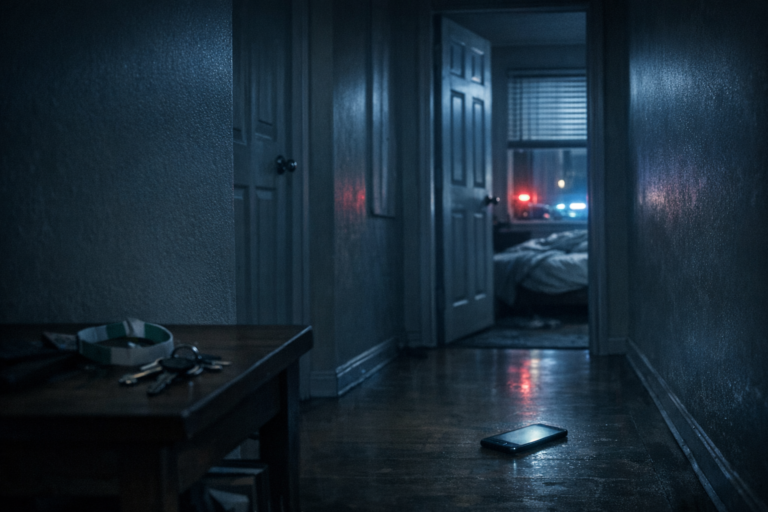
On May 16, 2006, Rey was at home in Baltimore. His wife, Allison, was away on a business trip, and a houseguest was reportedly there when the call came in. It was not described as a long conversation. Rey answered, reacted, and left the house quickly.
That detail matters because the case has never really escaped it. If Rey left voluntarily, what was urgent enough to make him move that fast? If someone lured him out, why did he trust the reason? And if the call was innocent, why does everything after it feel staged around missing pieces?
The Search Narrows to the Belvedere
At first, the search had the awful shape every missing-person search has. Family and friends called, retraced, asked, worried, and waited. The city suddenly became too large. Every street could matter. Every silence could mean something.
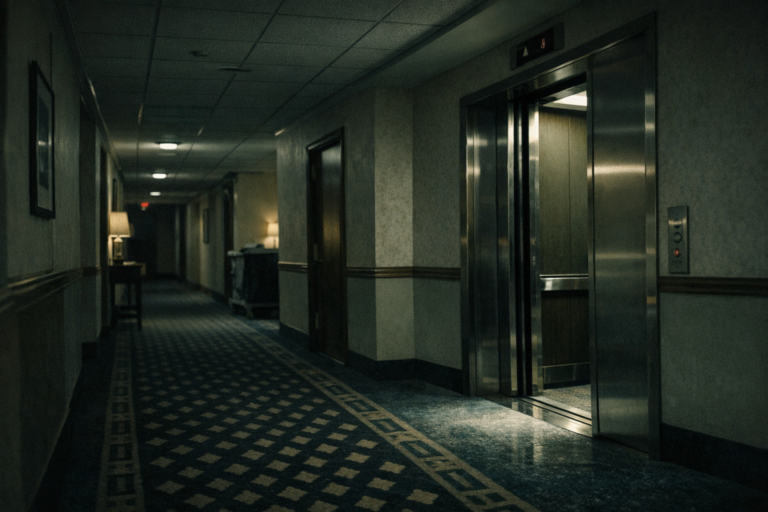
Then Rey’s car was found near the Belvedere Hotel, a historic Baltimore building with old-world architecture and a long local memory. The car gave searchers a center point, but not an answer. It suggested Rey had reached the area. It did not explain why he went there, who he may have met, or how he ended up where he was eventually found.
Days after he disappeared, searchers discovered something on a lower roof area of the Belvedere complex: a hole. Beneath it, inside a rarely used conference room, was Rey Rivera’s body.
That discovery is why the case still feels cinematic in the worst possible way. A missing man does not simply reappear in a room below a roof hole without forcing everyone to imagine the last seconds. Did he fall? Did he jump? Was he pushed? Did something else happen elsewhere before the scene was interpreted through the roof?
The Hole in the Roof
The basic theory was simple: Rey came from a height, crashed through the roof, and landed in the room below. But simple theories do not always survive contact with the details.
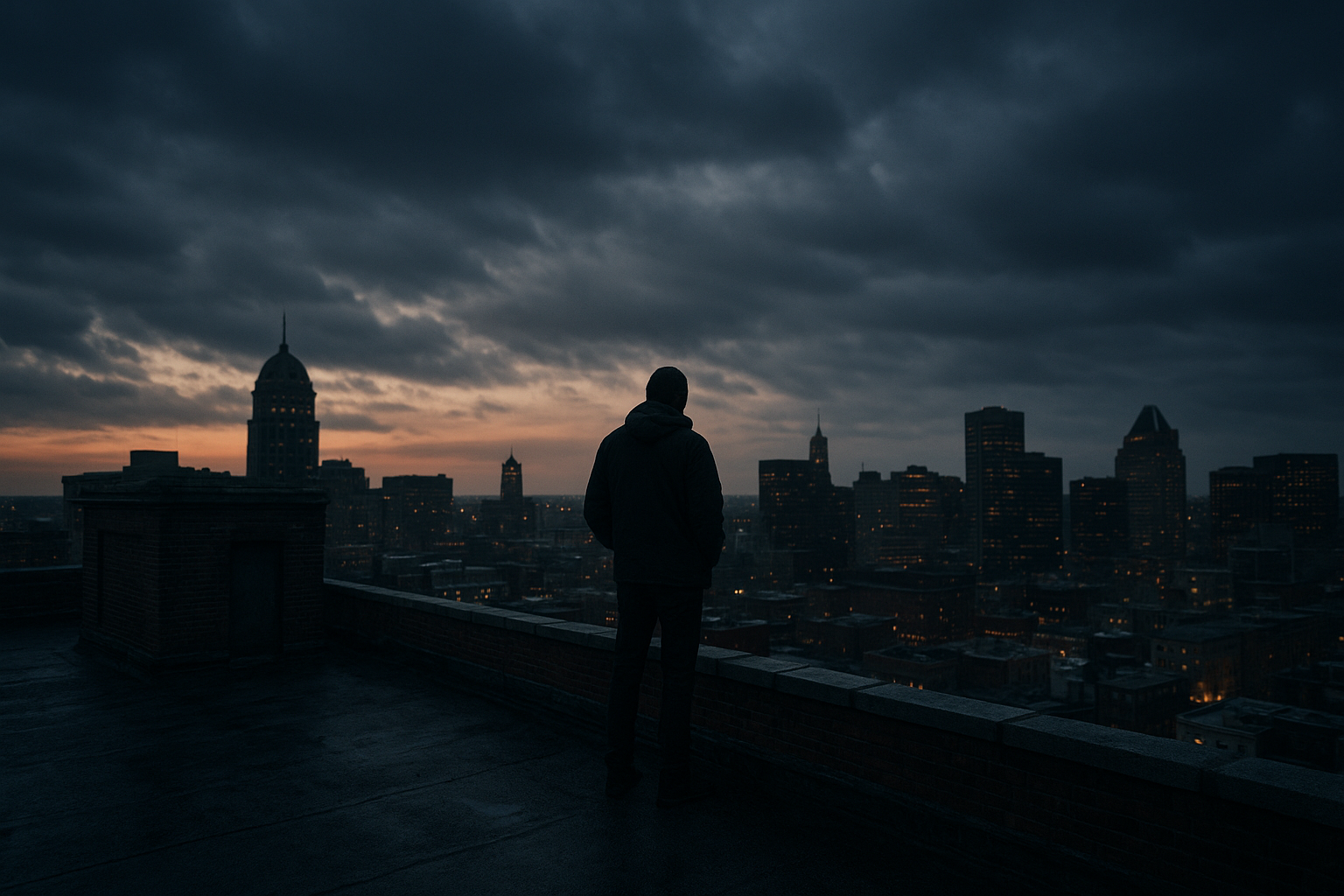
The hole was positioned in a way that made people question the trajectory. The idea that Rey could have jumped from the main roof and landed exactly where the hole appeared seemed physically difficult to many who studied the case. A fall from another area raised its own access problems. How did he get there? Was the path available? Would anyone have seen him? Was there enough distance, speed, and angle to explain the damage?
Then there were the items found near the roof hole, including his phone and glasses. In stories like this, small objects become enormous because they are the only things left to speak. If the fall was violent enough to kill Rey and break through a roof, why did some of the objects associated with him appear less damaged than people expected? That question does not prove foul play by itself. But it keeps the scene from feeling clean.
Cases like Jennifer Kesse’s disappearance linger for a similar reason: one piece of evidence should clarify everything, yet somehow makes the picture blurrier. In Rey’s case, the roof hole is that evidence. It is the centerpiece, but it is not the answer.
The Strange Note Behind the Computer
After Rey was found, another detail pushed the mystery into stranger territory. Investigators and family members learned of a note taped behind his computer. It was long, unusual, and filled with references: names, movies, books, ideas, and language that has been interpreted in different ways by different people.
Still, the note matters because it sits beside the rest of the scene like a locked drawer. Was it evidence of Rey’s state of mind? Was it a creative exercise? Was it connected to Freemason-related interests that have been discussed in coverage of the case? Or was it simply a private piece of writing dragged into the light because Rey died in a way nobody could explain?
Timeline of Events
- Before May 16, 2006: Rey Rivera is living in Baltimore with his wife, Allison, and working on writing and video projects connected to financial publishing.
- May 16, 2006: Rey receives a short phone call and leaves his home quickly. He does not return.
- After he vanishes: Family and friends begin searching, contacting authorities, and trying to reconstruct where Rey may have gone.
- Car located: Rey’s vehicle is found near the Belvedere Hotel, pulling attention toward the historic building.
- May 24, 2006: Rey’s body is found inside a conference room beneath a hole in a lower roof area of the Belvedere.
- After the discovery: Police examine the possibility of suicide, while family members and many observers question whether the physical details truly fit.
- Long after 2006: The case remains debated because the manner of death was not cleanly resolved for everyone watching from the outside.
This is why the Rey Rivera timeline still matters. It is not just a sequence of dates. It is a narrowing hallway. Each step seems to bring the story closer to an answer, and then the answer moves again.
What Does Not Add Up
Several parts of the case continue to bother people, even when they accept that suicide was considered by investigators.
- The phone call: The call appeared to prompt Rey to leave quickly, but the meaning of that call has never been publicly explained in a satisfying way.
- The route to the roof: If Rey accessed the roof or another high point, the practical question remains: how, and without drawing attention?
- The roof hole: The location and possible trajectory have long been debated by people who doubt the simplest version of events.
- The personal items: The condition and placement of items such as Rey’s phone and glasses have fueled questions about whether the scene unfolded exactly as proposed.
- The note: The hidden note may reflect creativity, stress, symbolism, or something else entirely, but it deepened the sense that Rey’s final days contained more than outsiders could see.
None of those points alone proves a hidden conspiracy. Real cases are messy. Bodies fall in strange ways. People make private decisions nobody around them understands. But when every major clue arrives with a second question attached, the mind keeps circling back.
The Main Theories
The official direction most often associated with the case is suicide. Under that view, Rey went to the Belvedere, reached a high location, and fell through the roof. Supporters of that explanation point to the broad scene: a fatal fall, a hole above the room, and no confirmed public evidence proving another person was physically involved at the moment of death.
But Rey’s family and many followers of the case have questioned that conclusion. They point to his future plans, his marriage, the strange urgency of the phone call, the difficulty of the alleged fall path, and the oddness of the scene. To them, the case feels less like a private act and more like a story interrupted by someone or something outside the frame.
That is why Rey’s story fits beside cases such as Brian Shaffer’s disappearance, where a location full of people somehow produces no satisfying exit, and Leah Roberts’ road-trip mystery, where a discovered vehicle opens more questions than it closes.
Why the Belvedere Still Feels Like the Center of the Mystery
Why This Case Still Gets Attention
Rey Rivera’s disappearance remains powerful because it sits at the intersection of emotional loss and physical impossibility. His family lost a real person, not a puzzle. Yet the public keeps returning to the puzzle because the visible clues feel so dramatic: the call, the car, the roof, the note, the hotel room.
It also belongs to a larger category of disappearances where the last known location becomes more disturbing than reassuring. Readers who follow cases where the timeline still does not add up know the feeling. The story does not need monsters or elaborate theories. It only needs one final gap that nobody can close.
In Rey’s case, the law may have leaned one way, family belief another, and public suspicion in several directions at once. The result is a case that feels legally quiet but emotionally unfinished.
The Unfinished Ending
There is a temptation to end the Rey Rivera story with a theory. Suicide. Accident. Foul play. A secret meeting. A mental break. A staged scene. One word that lets the reader close the tab and feel the room settle.
But the honest ending is less comfortable.
A man received a call. He left home quickly. His car turned up near a historic hotel. His body was found beneath a roof hole in a room most people would never notice. A hidden note waited behind his computer. The people who loved him were left not only with grief, but with geometry, timing, access questions, and the terrible feeling that the official shape of the story did not match the man they knew.
That is why the case endures. Not because every theory is equally likely. Not because every rumor deserves oxygen. It endures because the known facts create a scene that still feels one explanation short.
FAQ
What happened to Rey Rivera?
Rey Rivera disappeared from his Baltimore home on May 16, 2006, after receiving a phone call and leaving quickly. His body was found days later inside a room at the Belvedere Hotel beneath a hole in a lower roof area.
Where was Rey Rivera found?
He was found inside a little-used conference room area connected to the Belvedere Hotel in Baltimore. A hole in the roof above the room led investigators to consider whether he had fallen from a height.
What did Rey Rivera’s note say?
The note was reportedly long and unusual, containing references to people, films, books, and ideas. Its exact meaning remains disputed, and it has been interpreted as everything from creative writing to a possible sign of Rey’s state of mind.
Is the Rey Rivera case solved?
The case has not been resolved in a way that satisfies everyone. Police considered suicide as an explanation, while Rey’s family and many observers have questioned whether the evidence fully supports that conclusion.
Why does the Rey Rivera disappearance still get attention?
It combines a sudden disappearance, a mysterious call, a dramatic hotel discovery, and physical evidence that many people still find difficult to reconcile. The case feels close to explainable, but the final answer remains out of reach.
Sources and Further Reading
Continue exploring:
- Another disappearance where the setting made the mystery darker
- The final call that turned a roadside case into a nightmare
- A last sighting that still feels impossible to explain
- Twelve disappearances where the evidence keeps pulling in different directions
- Step inside the full disappearances archive
More Disappearances stories: