
Disappearances: Last Seen on Camera
The camera captured a final walk, an elevator ride, an airport exit, or a vehicle passing through the night. Then the person moved beyond the frame and vanished.
Surveillance footage appears to offer something disappearance investigations rarely have: a real image of the missing person during the final known hours. It can establish clothing, direction of travel, companions, vehicles, and behavior.
But cameras see only a limited space. A person can step through a doorway, turn a corner, enter a stairwell, move behind a building, or leave through an unmonitored area. The footage confirms where they were, but not necessarily what happened next.
This collection brings together cases in which a camera recorded one of the final known moments. Select any story below to examine what the footage established, what it failed to show, and why the mystery continued after the recording ended.
Surveillance footage can confirm a missing person’s location, appearance, movements, and approximate time. However, it rarely captures the complete disappearance. Blind spots, missing recordings, inaccurate timestamps, poor image quality, and unmonitored exits can leave investigators with a final image but no clear destination.
Explore Cases Last Seen on Camera
Select a story to examine the final footage, reconstructed timeline, known movements, possible routes, and the questions left outside the camera’s view.
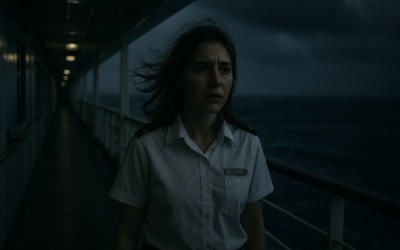
Rebecca Coriam Disappearance — The Cruise Ship Mystery Captured on Camera
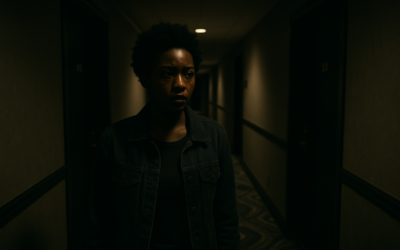
Kenneka Jenkins Disappearance — The Hotel Night That Ended in a Locked Freezer
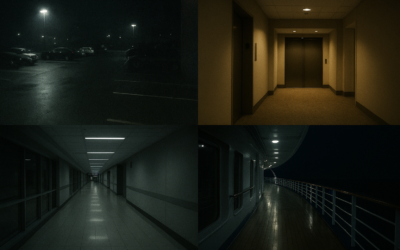
Disappearances Caught on Surveillance Footage: 9 Cases Where the Camera Recorded the Last Known Moment

What Happened to Noah Donohoe? The Belfast Cycling Timeline, CCTV Trail, and the Route That Still Breaks Apart
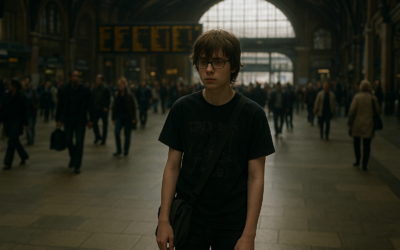
Andrew Gosden Disappearance — The Teen Who Took a One-Way Ticket to London
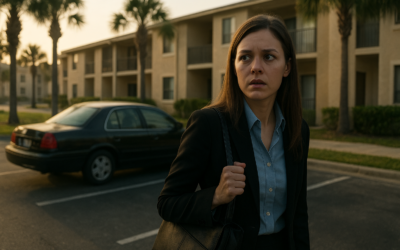
What Happened to Jennifer Kesse? The Surveillance Gap, the Car, and the Morning the Timeline Went Dark
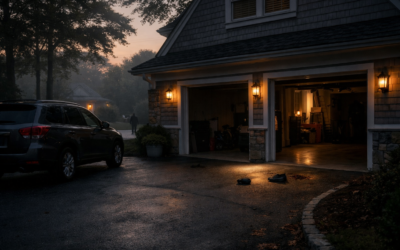
What Happened to Jennifer Dulos? The Quiet Morning, the Trash Runs, and the Connecticut Disappearance That Unraveled in Pieces

Brian Shaffer Disappearance — The Bar Exit Nobody Saw and the Timeline That Still Refuses to Close
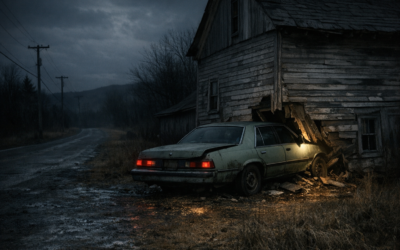
What Happened to Brianna Maitland? The Abandoned House, the Car in the Wall, and the Vermont Disappearance That Still Feels Frozen in Time
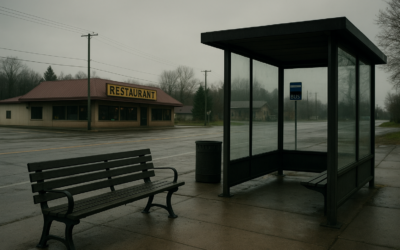
What Happened to Mekayla Bali? The Disappearance Timeline and Sightings That Still Don’t Make Sense
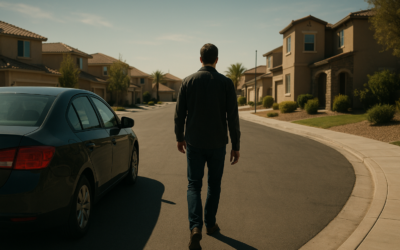
Steven Koecher Disappearance — The Man Who Walked Into a Neighborhood and Vanished
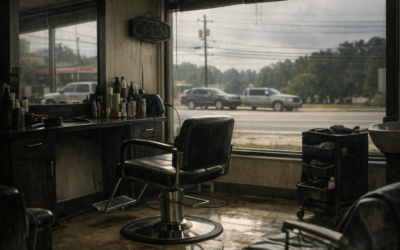
What Happened to Patrice Endres? The 13-Minute Salon Disappearance That Still Feels Impossible

Why Final Footage Feels So Important
A witness statement depends on memory. Surveillance footage appears more objective. It records what passed in front of the lens at a particular moment and can be reviewed repeatedly.
Investigators may use footage to confirm that the missing person reached a location, determine whether they were alone, identify what they were wearing, or establish which direction they traveled.
The recording can also challenge earlier assumptions. Someone believed to have left in a vehicle may be seen walking. A person thought to be alone may appear beside someone else. A timeline built from witness statements may shift when a camera records a different time.
The footage may capture the last moment investigators can place the missing person with certainty.
An incorrect camera clock can shift the timeline and change which sightings are possible.
A person may leave through a doorway, stairwell, or path that no camera covers.
Low resolution can hide a face, license plate, object, gesture, or possible companion.
What a Camera Can Confirm
A recording may establish several important facts at once. It can show that the missing person was alive at a certain time, wearing specific clothing, carrying certain belongings, and moving in a particular direction.
It may also reveal whether the person appeared injured, rushed, calm, confused, frightened, or accompanied. Investigators can compare those movements with witness statements, phone activity, card transactions, vehicle records, and later footage.
Our investigation into disappearances caught on camera examines cases where the final recording became the most discussed clue without providing a complete answer.
What the Footage Cannot Show
The greatest limitation of surveillance footage is the frame itself. The recording may capture a person entering a hallway but not leaving the building. Another camera may cover the street but not the rear exit. A parking lot camera may show a vehicle arriving without revealing who entered it later.
Even when several cameras cover the same area, there may be gaps between them. A few seconds outside the frame can be enough for someone to change direction, enter a vehicle, meet another person, or move into an area that was never recorded.
This is why being seen shortly before vanishing does not necessarily make a disappearance easier to solve.
The Elisa Lam Elevator Footage
The disappearance of Elisa Lam became internationally known after footage from a Cecil Hotel elevator was released. The recording showed her entering the elevator, pressing several buttons, looking into the hallway, stepping in and out, and making unusual hand movements.
The footage inspired years of theories because viewers tried to interpret behavior without seeing what may have been happening beyond the elevator doors.
Read the complete investigation into the Elisa Lam disappearance, elevator footage, and final timeline .
When the Recording Shows an Apparent Abduction
Most final surveillance footage is ambiguous. In rarer cases, the camera appears to capture a coordinated interception or forced removal.
The disappearance of Raymond Koh was recorded by dashboard cameras in Malaysia. The footage appeared to show several vehicles surrounding his car during a rapid and organized operation. Despite the extraordinary recording, major questions remained about who carried it out and what happened afterward.
Read the full account of the Raymond Koh disappearance and abduction footage .
Why Timestamps Can Mislead Investigators
A timestamp looks precise, but camera clocks are not always correct. They may run several minutes fast, several minutes slow, or display the wrong date after a power outage or system reset.
That difference can determine whether a witness could have seen the missing person, whether a vehicle had enough time to reach another location, or whether two recordings show events in the correct order.
Investigators may need to compare the camera with a verified event, such as a transaction time, phone call, door-access record, or another synchronized recording.
Explore disappearance cases where one witness, camera, or overlooked clue changed everything .
When Public Analysis Helps—and When It Hurts
Released footage can produce useful tips. Someone may recognize a vehicle, location, piece of clothing, or person in the background. Widespread attention may also reach witnesses who did not originally understand the importance of what they saw.
But public analysis can also create misinformation. Viewers may enhance the footage incorrectly, imagine figures in shadows, misread ordinary gestures, or build theories around visual details that cannot be verified.
Repeated online claims can eventually become confused with established evidence. The safest approach is to separate what the recording clearly shows from what viewers believe it might mean.
Can Old Surveillance Footage Produce a New Break?
Yes. A recording may become more useful when investigators identify a previously unknown person, vehicle, route, or object. Improved enhancement tools may clarify limited details, although enhancement cannot create information that was never captured.
A new witness may also recognize something years later. Investigators may discover that another camera existed nearby, locate archived recordings, or compare the footage with evidence from a separate case.
The larger Unsolved Disappearances Archive examines how surveillance, final sightings, found vehicles, calls, and timeline contradictions shape cases that still refuse to close.
Frequently Asked Questions
Why does surveillance footage not always solve a disappearance?
Cameras record only limited areas. A video may confirm where someone was at one moment without showing where they went next. Blind spots, unmonitored exits, missing recordings, poor image quality, and gaps between cameras can leave the most important movement unseen.
Can surveillance-camera timestamps be wrong?
Yes. Camera clocks may be fast, slow, incorrectly configured, or reset after a power interruption. Investigators often compare timestamps with verified transactions, phone records, access logs, or other recordings before treating the displayed time as exact.
Can investigators improve blurry surveillance footage?
Investigators can sometimes adjust brightness, contrast, stabilization, or frame selection to make recorded details easier to examine. However, enhancement cannot reliably recover a face, plate number, or object that the original camera did not capture with enough detail.
Why is unusual behavior on camera difficult to interpret?
A recording usually lacks context. Viewers may not know what happened before the clip, what the person could see or hear, whether someone was outside the frame, or whether the behavior was typical for that individual. The footage should be evaluated alongside the complete timeline and other evidence.
Can someone be identified years later from old footage?
It is possible. A witness may later recognize a person, vehicle, location, or item in the recording. New evidence may also give investigators a specific suspect or object to compare against footage that previously seemed too vague to be useful.
The Camera Recorded a Final Moment—Not the Answer
Return to the complete Disappearances collection to explore final footage, witness sightings, vehicles, phone records, search timelines, and cases that remain unresolved.
Explore All Disappearances →