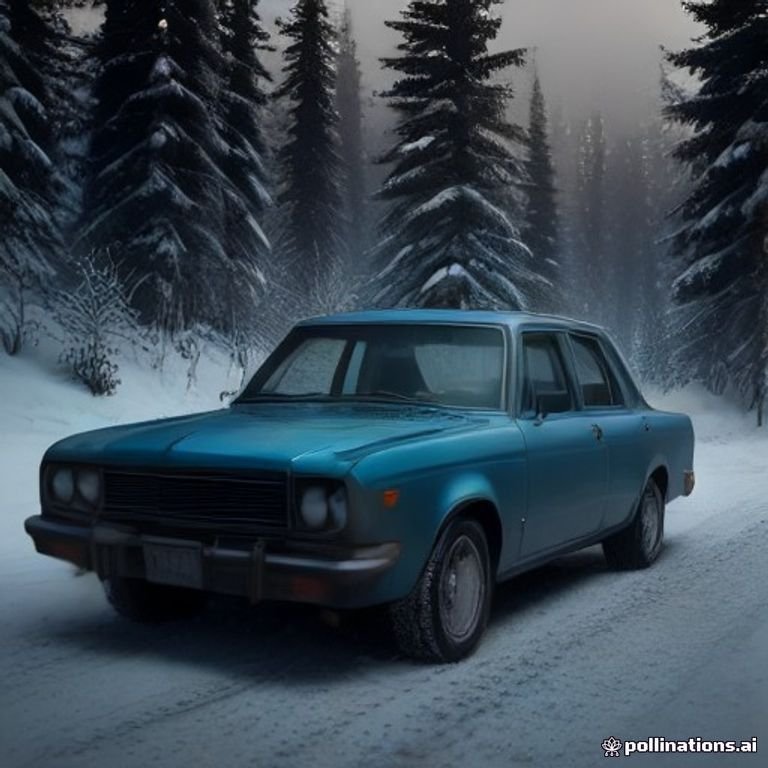
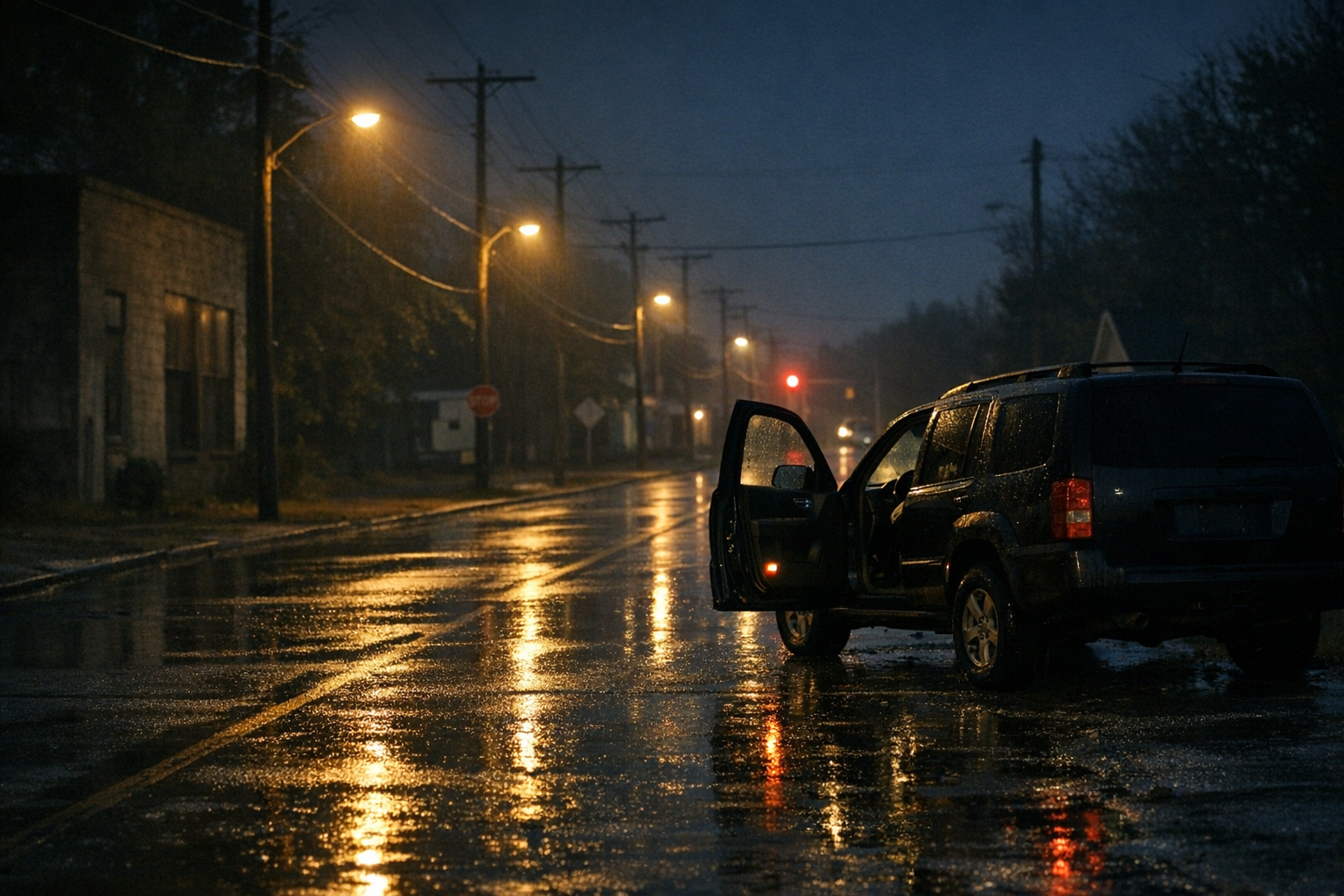
On a cold Sunday afternoon in December 2011, Phoenix Coldon sat in a black Chevrolet Blazer in her parents’ driveway in Spanish Lake, Missouri, looking like someone who had stepped outside for a routine errand and would be back before dinner. Nothing about the moment looked dramatic. No one heard a scream. No one saw a struggle. Her father watched her pull away at about 2:20 p.m., and the image was so ordinary it barely registered. But by sunset, that same SUV would be sitting abandoned in East St. Louis, Illinois, still running, the driver’s door hanging open as if whoever had been inside had stepped out for one second and never made it back.
The Phoenix Coldon disappearance remains one of the most unsettling unsolved disappearance cases in modern Missouri missing person coverage because the known facts are so simple, and the missing space between them is so hard to explain. A 23-year-old woman drove away from home in daylight, and within hours her vehicle was recovered with personal belongings reportedly left behind, yet no clear trail has ever shown what happened next.
That is one reason this story keeps resurfacing whenever people revisit cases involving abandoned vehicles and broken timelines. Like the cases in What Happened After the Car Was Found? 6 Real Disappearances Where the Vehicle Was Recovered but the Person Was Not, the car should have answered the most important questions. Instead, it became the object that made everything stranger.
To understand why the case still grips people, you have to start with the kind of life Phoenix seemed to be living from the outside. Friends and family described her as smart, talented, quiet, and deeply tied to the church life she grew up around. She had been homeschooled for much of her education. She played multiple instruments. She fenced competitively and did well enough to become a regional champion. She was not the kind of person people expected to simply vanish into a blank space.
But the deeper people looked after she disappeared, the more they began to realize there were parts of her life her parents did not fully know. That is the unsettling angle at the heart of this case: not a wild public scene, but a normal departure followed by the discovery that the person everyone thought they understood may have been carrying private pressures, relationships, and plans no one had fully seen.
On December 18, 2011, Phoenix was reportedly wearing gray sweatpants, a dark hoodie, and tennis shoes. She may also have had her glasses with her. There was no dramatic goodbye. No known sign that she was packing for a long trip. No public indication that she was about to disappear from her own life. She got into the Blazer and drove away.
Then the timeline breaks.
At around 5:30 p.m., her black 1998 Chevrolet Blazer was found in East St. Louis near 9th Street and St. Clair Avenue. Multiple reports say the engine was still running. The driver’s door was open. Phoenix was gone. Some later coverage also reported that personal items, including her purse and glasses, were left inside the vehicle. If that account is correct, it matters, because it cuts against the idea of someone calmly walking away to start over. People do leave home voluntarily. They do disappear on purpose. But they usually do not leave behind the basic things they would need while also abandoning a running SUV in a way that looks abrupt and unfinished.
And then there was another problem. Police reportedly had the vehicle towed before anyone connected it to a missing person case. In a story where the vehicle should have been the most important physical clue, the first response may have treated it like just another abandoned car. That detail has haunted the case ever since, because once a scene is handled as routine, precious context can disappear with it.
Timeline of Events
- About 2:20 p.m.: Phoenix Coldon’s father sees her leave the family driveway in Spanish Lake, Missouri.
- Roughly three hours later: Her black Chevrolet Blazer is found abandoned in East St. Louis, Illinois.
- Vehicle condition: Reports say the SUV was still running and the driver’s door was open.
- Afterward: Phoenix is not found at the scene, and no confirmed public trail explains where she went next.
That short timeline is what makes the case so powerful. There is very little room between the last confirmed sighting and the discovery of the vehicle. Yet inside that narrow window, the story somehow opens into a void wide enough to swallow everything.
As the days passed, another painful layer emerged. Phoenix’s parents said they learned after her disappearance that parts of her life had not been what they believed. When she had previously moved out, they thought she was living with a female friend, but later discovered she had actually been living with a boyfriend. They also spoke publicly about people around Phoenix whom they did not trust and about choices they felt were out of character for the daughter they knew. Her mother later said Phoenix had recently asked for counseling. That does not explain what happened to her, and it should not be twisted into a simple answer. But it does matter because it shows a young woman who may have been under emotional strain while also keeping some of her struggles private.
That private life is central to the case’s unique tension. Most missing person stories become easier to narrate once investigators can place the person inside a clear conflict: a dangerous ex, a known destination, a public argument, a witness, a digital trail, a camera, a final phone call. Phoenix Coldon’s case has never offered that kind of clean handhold. Instead, it keeps forcing people back to the same unnerving contrast. The exit from the driveway looked normal. The end point did not.
There have been theories, of course. Some people believe she may have left voluntarily and run into trouble later. Others believe she was meeting someone. Others think the vehicle scene suggests she encountered immediate danger after stopping, or that someone else entered the picture before the SUV was found. The problem is that almost every theory runs into the same wall: there is not enough public evidence to carry it all the way through.
🔎 Related Investigation:
If this case pulled you deeper into the mystery, continue into:
🔎 Related Investigation:
If this case pulled you deeper into the mystery, continue into:
What Doesn’t Add Up
- The running SUV: If the reports are accurate, why was the engine still on? A rushed exit suggests interruption, panic, or someone expecting to return in seconds.
- The open driver’s door: That detail makes the scene feel less like a planned disappearance and more like something cut short.
- Belongings left behind: Purse, glasses, laptop, and iPad have all been mentioned in public reporting, and together they complicate any simple runaway theory.
- The ordinary departure: Nothing about leaving home in broad daylight signaled a last known moment.
- The hidden parts of her life: The later discovery that family did not fully know who she was seeing or what pressures she was under widened the mystery instead of narrowing it.
The strongest version of this story is not built on sensational guesses. It is built on the eerie normalcy of the opening and the way that normalcy never matches the evidence left behind. Phoenix did not vanish in the woods, on a boat, or in a storm. She vanished inside an ordinary American afternoon, on roads people use every day, in a region crowded with traffic, intersections, homes, and businesses. That should have produced answers. Instead, it produced silence.
That silence is part of why the case continues to resurface in podcasts, documentaries, and online discussions about overlooked disappearances. Phoenix was a young Black woman, and her case is often mentioned in conversations about the media gap that affects missing-person coverage. Families in those cases are not just fighting grief. They are also fighting invisibility. The Coldons spent heavily on a private investigator while trying to keep the search alive. They spoke publicly, kept pressure on the case, and refused to let it fade into a one-day headline.
Years later, that effort still shapes the public memory of the story. Her parents did not talk about Phoenix like a statistic. They talked about a daughter who played music, fenced, laughed, argued, made mistakes, grew up in faith, and still had a future she had not even reached yet. That matters, because cold cases often flatten people into mystery objects. Phoenix was not a mystery object. She was a person with a life that suddenly split in two: the part everyone knew, and the hidden part everyone has been trying to understand ever since.
And maybe that is why this case sticks so hard. If the story were only about an abandoned SUV, it would be eerie. If it were only about a young woman with private struggles, it would be sad. But when those two things collide, the result feels uniquely disturbing. A woman leaves home in daylight. Her car turns up across the river, still running. The door is open. The driver is gone. The family starts discovering there was more happening beneath the surface than they realized. Then the trail goes cold before the public can even properly see it.
There is no clean ending to offer here. No arrest. No confirmed sighting that closed the loop. No piece of forensic evidence that finally pushed the case into focus. Just the same terrible unanswered question that has followed the Coldon family for years: what happened in those missing hours between the driveway and the abandoned Blazer?
Until that gap is filled, the case will keep haunting people for the same reason it haunted investigators from the beginning. The first scene and the second scene do not belong together. A routine departure should not end in a running SUV with an open door and no trace of the person who drove it. But that is exactly what happened in the Phoenix Coldon missing person case, and that is why it still matters.
Some disappearances are terrifying because the final moment is dramatic. Phoenix Coldon’s is terrifying because it wasn’t. It looked like a normal afternoon right up until it became a permanent question.
🔎 Related Investigation:
🔎 Related Investigation:
🔎 If this story stayed with you, the author suggests these real cases next:
- Jennifer Kesse vanished in broad daylight, and one ghostlike clue still defines the case
- Brandon Lawson’s final phone call left behind a mystery that only got darker with time
- Bryce Laspisa’s strange drive ended with a crashed car and a disappearance nobody can explain
Explore more Disappearances stories here: