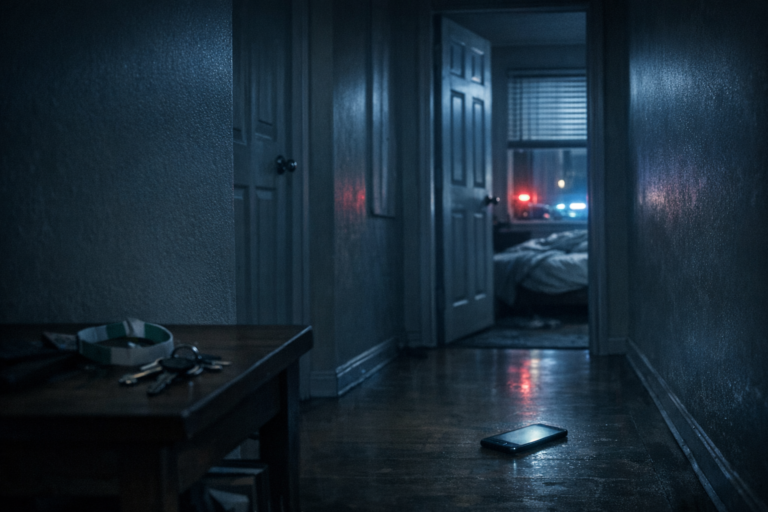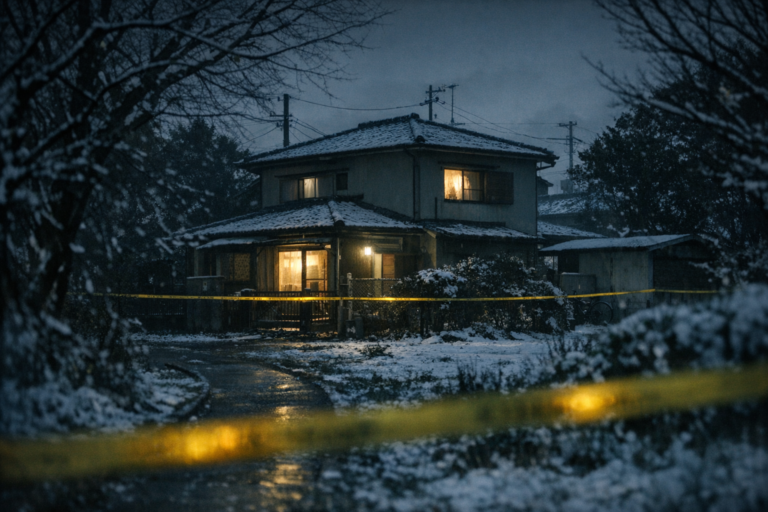
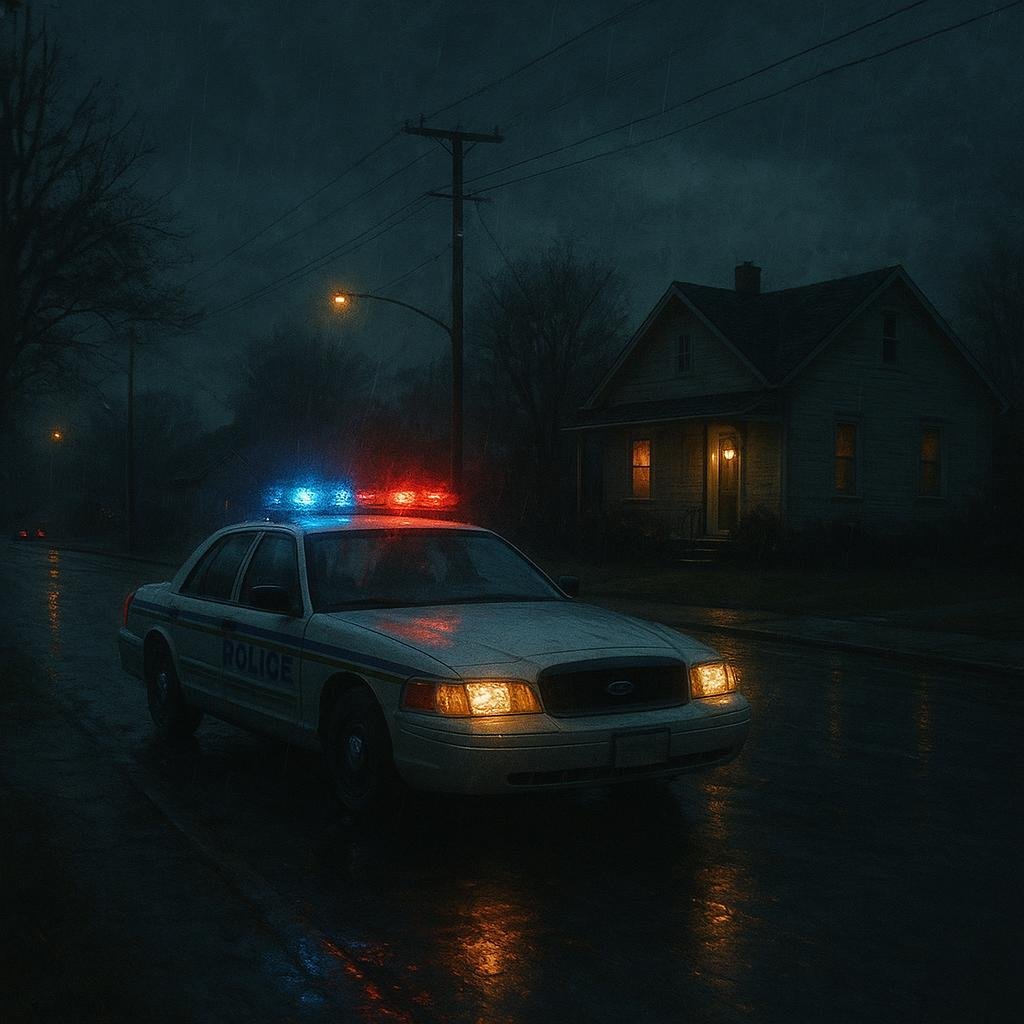
On the street, the house looked harmless.
It sat in a suburban rhythm of porch lights, trimmed lawns, and neighbors carrying groceries through the dusk. Nothing about it suggested the kind of fear that would later spread across Canada. Nothing about it warned that behind one ordinary front door, charm and violence had learned how to live side by side.
That contrast is what still makes this case feel so hard to shake. The people inside did not look like monsters. They looked polished. Controlled. Even enviable from a distance. And that made what happened next feel even worse.
The Ken and Barbie killers case, centered on Paul Bernardo and Karla Homolka, remains one of Canada’s most infamous true crime stories because it exposed how easily image can hide escalating brutality. What began as private warning signs grew into a national horror story involving predation, abduction, murder, and years of anger over whether authorities understood the danger in time.
That same uneasy split between public image and private cruelty appears again and again in stories like the Sam Little case, where ordinary appearances concealed a far larger threat than most people realized.
Long before the case exploded into headlines, there were already signals that something was wrong. Bernardo had been linked to sexual violence before the murders that made him globally notorious. Women reported frightening encounters. Investigators were working assaults connected to what became known as the Scarborough Rapist case. But the picture was incomplete, the dots were not fully connected, and the person at the center of it all still had room to keep moving through normal life.
That gap matters. In many famous criminal cases, the final horror does not begin with a single sudden break from reality. It builds. It tests boundaries. It survives early failures of recognition. In this story, that progression from suspicion to catastrophe is part of what still disturbs people decades later.
By the early 1990s, Bernardo and Homolka had built a relationship that seemed outwardly stylish and composed. Friends and observers often focused on appearances. They were young. Attractive. Socially functional. The kind of couple people could describe in quick, flattering shorthand.
But underneath that surface was a darker pattern shaped by control, humiliation, manipulation, and violence. The nickname the public later gave them sounded almost absurdly glossy, which only made it more chilling. “Ken and Barbie” suggested plastic perfection. The crimes behind it were anything but.
One of the most haunting parts of this story is how domestic the setting feels. Not a hidden compound. Not a distant wilderness. A house. A driveway. Rooms with walls that looked no different from anyone else’s. That ordinary setting created the perfect camouflage for a private escalation few outsiders could truly see.
Then the case turned toward two names that Canada still remembers: Leslie Mahaffy and Kristen French.
In June 1991, 14-year-old Leslie Mahaffy disappeared after missing her curfew in Burlington, Ontario. For families, those first missing-person hours are torture because hope still has room to exist. Maybe she is with a friend. Maybe there is a misunderstanding. Maybe the next phone call changes everything.
In this case, hope collapsed into dread.
Less than a year later, in April 1992, 15-year-old Kristen French was abducted in St. Catharines in broad daylight. That detail changed the emotional temperature of the case immediately. Daylight is supposed to feel protective. School zones are supposed to feel visible. But witnesses believed they had seen a situation that looked, at first glance, like an authority encounter rather than an abduction unfolding in real time. That possibility still lingers as one of the story’s cruelest details: danger may have been present in full view, but disguised just enough to pass through the moment.
As investigators worked, southern Ontario changed with the case. Parents became more guarded. Familiar streets felt different. The idea that ordinary routines could break open without warning became harder to dismiss. This was not just a crime story anymore. It was a public loss of confidence in the safety of normal life.
Timeline of Events
- Late 1980s to early 1990s: Paul Bernardo is linked to a series of sexual assaults in the Toronto area later associated with the Scarborough Rapist investigation.
- June 1991: Leslie Mahaffy disappears in Burlington, Ontario.
- April 1992: Kristen French is abducted in St. Catharines in daylight, intensifying fear across the region.
- Late 1992: A surviving victim’s allegations help push investigators closer to Bernardo and Homolka.
- 1993 onward: Searches, forensic evidence, videotapes, and witness testimony reveal a far more disturbing picture of the couple’s crimes.
- Trial and aftermath: Bernardo is convicted and sentenced to life as a dangerous offender, while Homolka’s plea agreement becomes one of the most controversial legal outcomes in Canadian history.
What finally broke the illusion was not one dramatic confession in a vacuum. It was evidence pressure. It was testimony. It was investigation moving from suspicion toward proof. When another young woman came forward and identified Bernardo as her attacker, the wall around the couple’s hidden life began to crack.
Searches and forensic work turned private space into evidentiary space. Rooms that had looked normal now had to be interpreted differently. Objects, recordings, timelines, and witness accounts no longer sat as isolated fragments. They began forming a pattern.
And once that pattern emerged, it was devastating.
The case revealed planned violence rather than chaos, concealment rather than impulse, and mutual participation in a reality far darker than the public first understood. That is one reason the story is often grouped with other predator-pair cases like the Toolbox Killers case, where the shared dynamic between offenders becomes part of what makes the crimes feel especially unsettling.
At the same time, the legal story became nearly as controversial as the criminal one. Homolka reached a plea agreement and agreed to testify against Bernardo. Prosecutors considered her cooperation essential. But when videotaped evidence later reshaped public understanding of her role, outrage followed with full force.
People felt they had been told one version of the balance of guilt and then forced to confront another. That anger never fully faded. Even now, discussion of this case almost always circles back to the same question: was justice divided in a way the public could never accept?
What Doesn’t Add Up
- Early warning signs existed: Bernardo had already drawn serious concern before the murders associated with the couple became known nationwide.
- The public image stayed intact too long: The contrast between outward normalcy and private violence still feels almost impossible to reconcile.
- The plea deal remains deeply disputed: Many people believe key decisions were made before the full scope of evidence was understood.
- The focus often drifts to the offenders: Families and observers have long argued that the victims’ lives should remain central, not the notoriety of the perpetrators.
That last point matters more than it can seem at first. Cases this notorious tend to generate a gravitational pull toward the offenders themselves. The nickname. The photographs. The media shorthand. The courtroom mythology. But the human center of the story is not the image of the couple. It is the lives that were cut short and the families forced to absorb consequences that never really end.
Leslie Mahaffy and Kristen French were not symbols. They were teenage girls with futures, personalities, families, and routines that should have continued. The public memory of the case is strongest when it resists flattening them into plot points.
That is also why the case still appears in larger true crime pathways, from the site’s Unsolved True Crime Cases That Still Have No Answers collection to broader pages like The True Crime Archive. Even though this case led to convictions, it still lives beside unresolved public questions about warning signs, institutional failure, media framing, and what accountability really looked like.
There is another reason people keep returning to it. The story forces a deeply uncomfortable admission: most people want evil to announce itself clearly, but real life often hides it inside charisma, domestic routine, and familiar spaces. That same dissonance gives cases like the John List case their staying power too. The setting looks ordinary. The reality behind it is not.
By the time Bernardo stood trial, the narrative that emerged was relentless. Testimony and forensic evidence showed not a single terrible act detached from context, but a structure of abuse and predation that had been able to deepen over time. The courtroom turned rumor into record. It also exposed how public fascination with the case could never be separated from public disgust.
Bernardo was ultimately convicted and sentenced to life imprisonment, later designated a dangerous offender. On paper, that outcome is straightforward. Emotionally, the case never became straightforward again. Too many people were left with the sense that while one legal outcome was certain, the larger moral ledger remained unresolved.
That unresolved feeling may be why the story still reads less like a closed file and more like a documentary people cannot stop revisiting. Not because the basic facts are unclear, but because the implications continue to spread outward. How many warning signs should have mattered earlier? How often do police and courts act with incomplete information? How often does a polished image buy time for a dangerous person? And how often do entire communities realize, too late, that normal life was only the mask?
That may be the final reason this case has never really loosened its grip on public memory. It shattered a comforting assumption. People like to believe horror lives far away, in obvious places, around obviously dangerous people. This story suggested something worse: sometimes the most frightening house on the block is the one that blends in perfectly.
When the lights came on in those neighborhoods, the lawns still looked neat. Cars still sat in driveways. The world outside the house still tried to look ordinary. But once people knew what had been hidden there, ordinary itself no longer felt as trustworthy as it had before.
FAQ
Who were the Ken and Barbie killers?
The nickname refers to Paul Bernardo and Karla Homolka, a Canadian couple whose polished public image contrasted sharply with the violent crimes later tied to them. The case became notorious because of both the brutality of the crimes and the public anger over how the legal aftermath unfolded.
What happened to Leslie Mahaffy and Kristen French?
Leslie Mahaffy and Kristen French were teenage victims whose abductions and murders became the central crimes most associated with the case. Their deaths devastated families and communities and transformed the story into one of Canada’s most infamous true crime cases.
Why is the Paul Bernardo and Karla Homolka case still discussed?
People still return to the case because it combines multiple disturbing elements: escalating violence, a deceptive domestic image, failures or delays in recognizing danger, and a plea deal that remains intensely controversial.
What made Karla Homolka’s plea deal so controversial?
The plea agreement became controversial because many people believed her role looked more serious once additional evidence, including videotaped material, became better understood. That created a lasting public feeling that the legal system made a crucial decision without the full picture.
Was Paul Bernardo convicted?
Yes. Paul Bernardo was convicted and sentenced to life in prison, and he was later designated a dangerous offender. Even so, the case still leaves broader questions about warning signs, justice, and institutional response.
🔎 If this story stayed with you, the author suggests these real cases next:
- A deeper archive of killers who hid behind ordinary faces
- The predator pair case that still disturbs readers decades later
- The serial murderer who kept blending into everyday life
- A relationship that turned intimate trust into a murder trial
- The family annihilator who vanished after making the house go quiet
Explore more True Crime stories here: