Some stories are so strange, they don’t just surprise you—they stay with you.
Events like
the Bermuda Triangle, the woman who made doctors collapse, and
the outlaw whose body became a carnival attraction sound impossible—yet they actually happened.
Some of the most unsettling stories come from belief systems that turned dangerous, like Heaven’s Gate, Jonestown, and NXIVM, where reality slowly gave way to something far darker.
Others are simply difficult to explain—like the dancing plague of 1518, the war against emus, and the man who ate an airplane, stories that blur the line between fact and disbelief.
These are the kinds of stories that make you stop and wonder—because even when they’re true, they don’t feel real.
Explore the full collection of bizarre and unbelievable stories below.
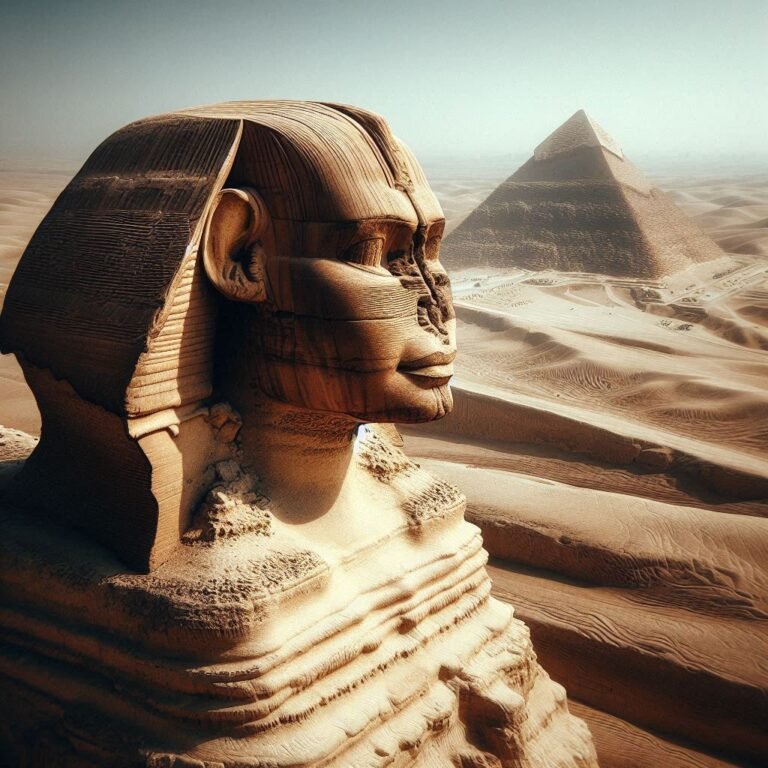
The Great Sphinx of Giza looks eternal, but the stone around it keeps fueling one of history?s most unsettling debates. If the erosion clues are telling the truth, the monument?s age may be far harder to settle than the textbooks suggest.
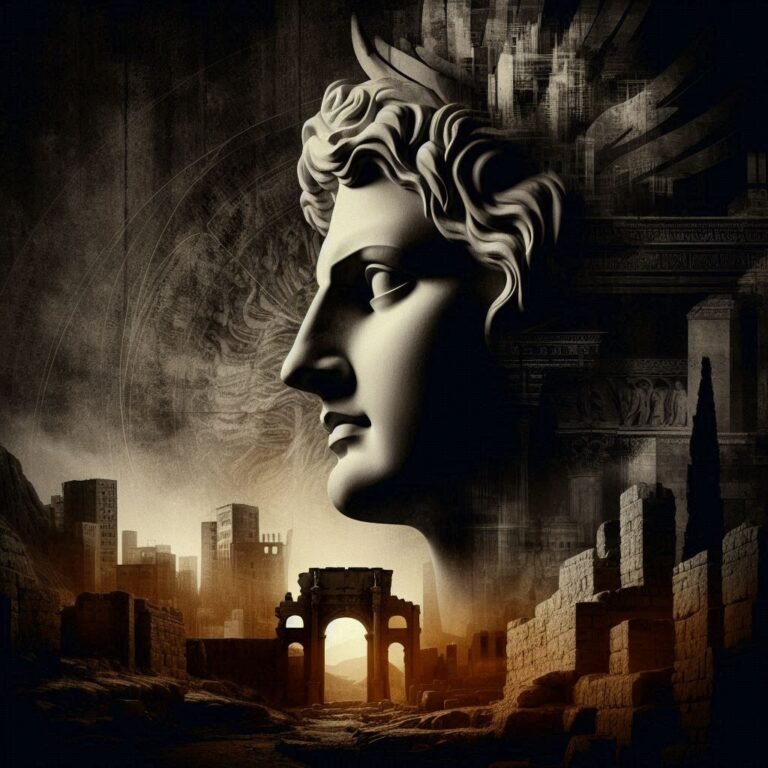
For centuries, Alexander the Great's tomb was famous enough for emperors to visit. Then the shrine, the body, and the trail itself slipped into one of history's deepest mysteries.
Imagine a book, centuries old, its pages filled with a flowing script no one can read and illustrations of plants that don't exist. This is the Voynich Manuscript, a mysterious codex rediscovered in 1912 that has baffled cryptographers, linguists, and historians for over a century. Carbon-dated to the early 15th century, its 240 vellum pages feature sections on botany, astronomy, and biology, all rendered with bizarre, fantastical drawings and an undeciphered language. Despite countless attempts by the brightest minds, from World War codebreakers to modern computer analysts, the manuscript's secrets remain locked away, an enduring enigma that challenges our understanding of lost knowledge and the limits of human decipherment.
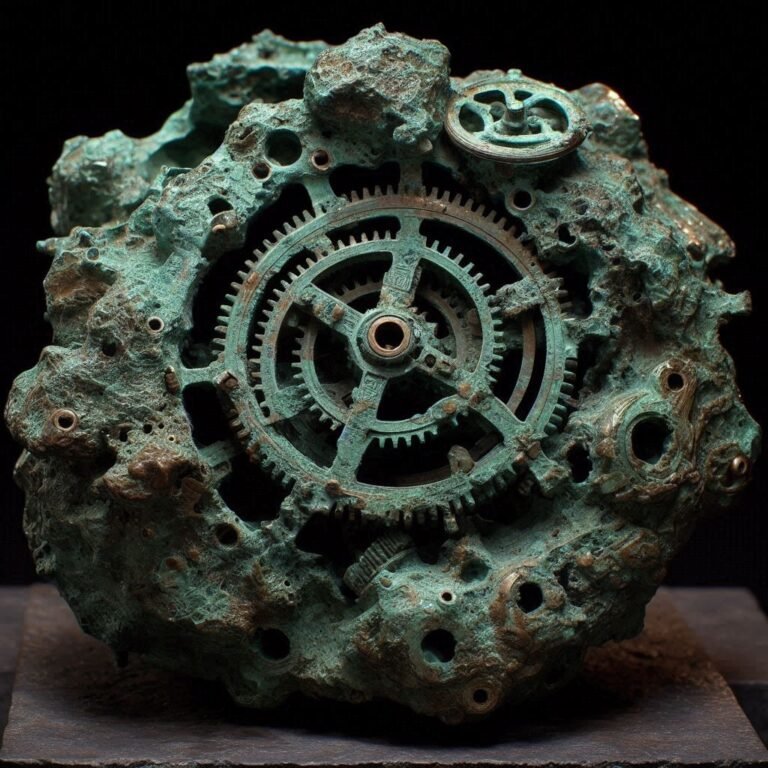
Pulled from an ancient shipwreck as a corroded lump of bronze, the Antikythera Mechanism turned out to be a machine so advanced it seemed to belong to another age. Its gears, inscriptions, and eclipse cycles still unsettle historians because they hint at knowledge history may have lost.
On Christmas Eve 1971, Juliane Koepcke survived a fall from a plane that broke apart over the Amazon—then spent 11 days injured and alone in the rainforest before rescue. It remains one of the most astonishing real survival stories ever recorded.
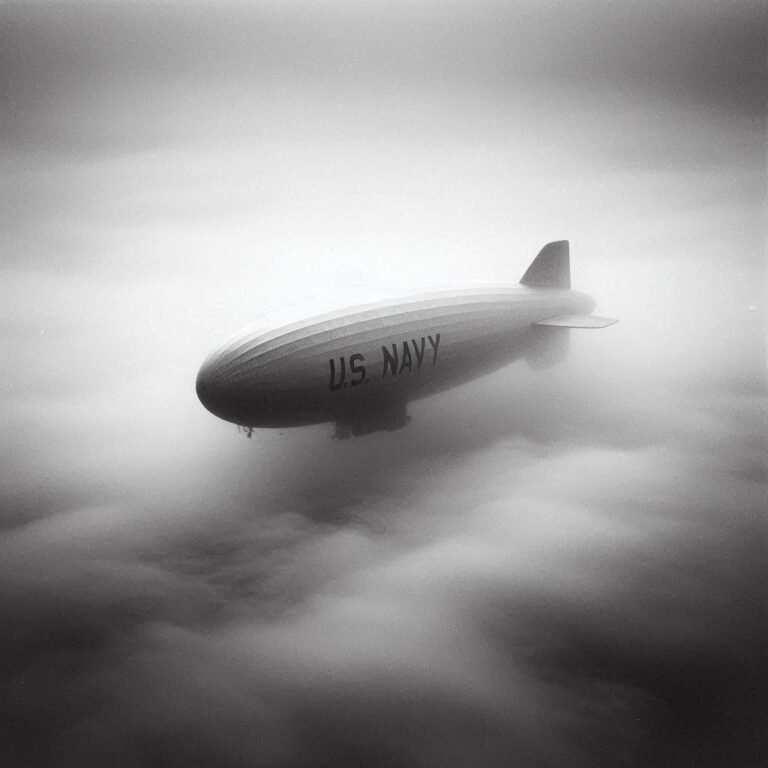
A Navy blimp left the California coast on a routine 1942 anti-submarine patrol and came back without its crew. The airship survived the morning; Lieutenant Ernest Cody and Ensign Charles Adams never did.
On November 22, 1987, Chicago TV viewers witnessed a bizarre, unprecedented event: a grotesque, masked figure, mimicking pop culture icon Max Headroom, hijacked two local stations. The first intrusion on WGN-TV's news was brief, but the second, during WTTW's 'Doctor Who,' lasted 90 unsettling seconds, featuring garbled rants and a shocking display. This audacious act of signal piracy, a technical marvel for its time, left millions stunned and sparked a massive FCC investigation. Yet, despite extensive efforts, the identity and motives of the Max Headroom pirate remain an unsolved mystery, a chilling reminder of the airwaves' vulnerability and a lasting pop culture enigma.
A black cicada appeared online with a message for ?highly intelligent individuals,? and what followed became one of the internet?s most unnerving unsolved mysteries. Cicada 3301 still feels bigger than a puzzle because nobody has ever proved who built it or what waited at the end.
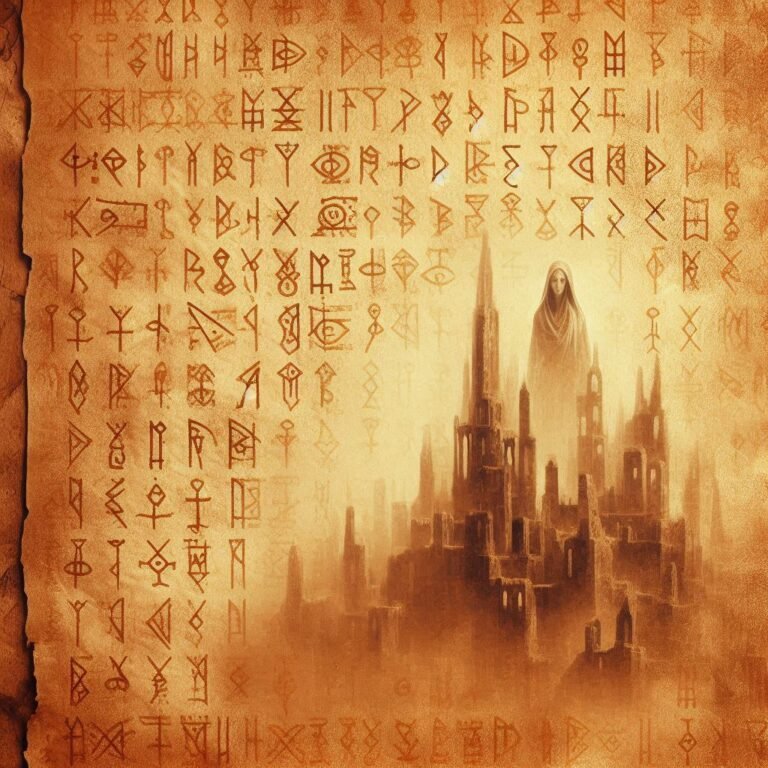
A forgotten manuscript surfaced in 1867 claiming to preserve the lost history of an ancient Frisian civilization. Was the Oera Linda Book a buried truth, or one of history's most seductive hoaxes?
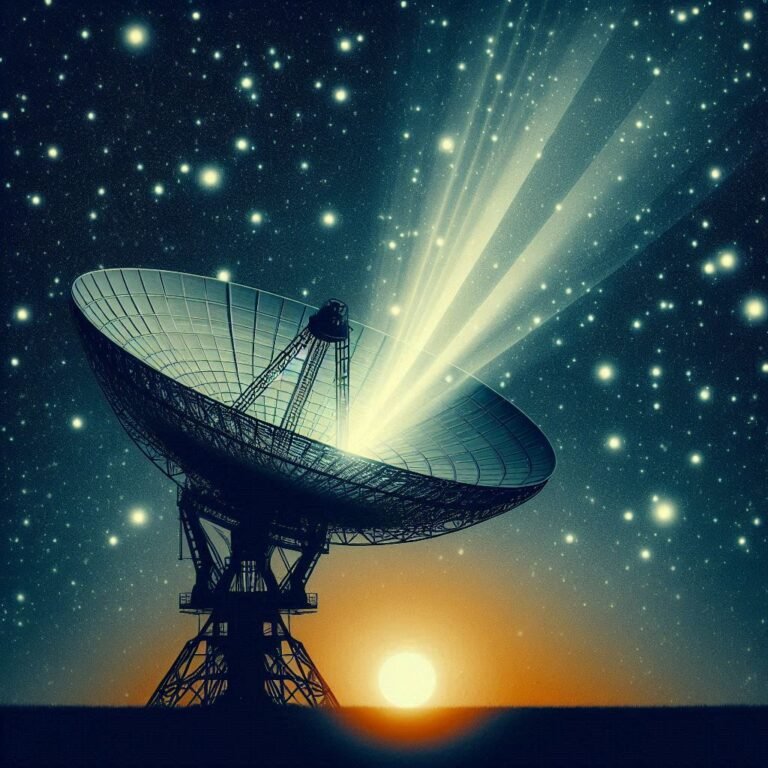
In 1977, a 72-second radio burst reached an Ohio telescope and left behind one of the most unsettling questions in science: did we catch a real signal from deep space, or the closest thing to an answer humanity has ever heard?