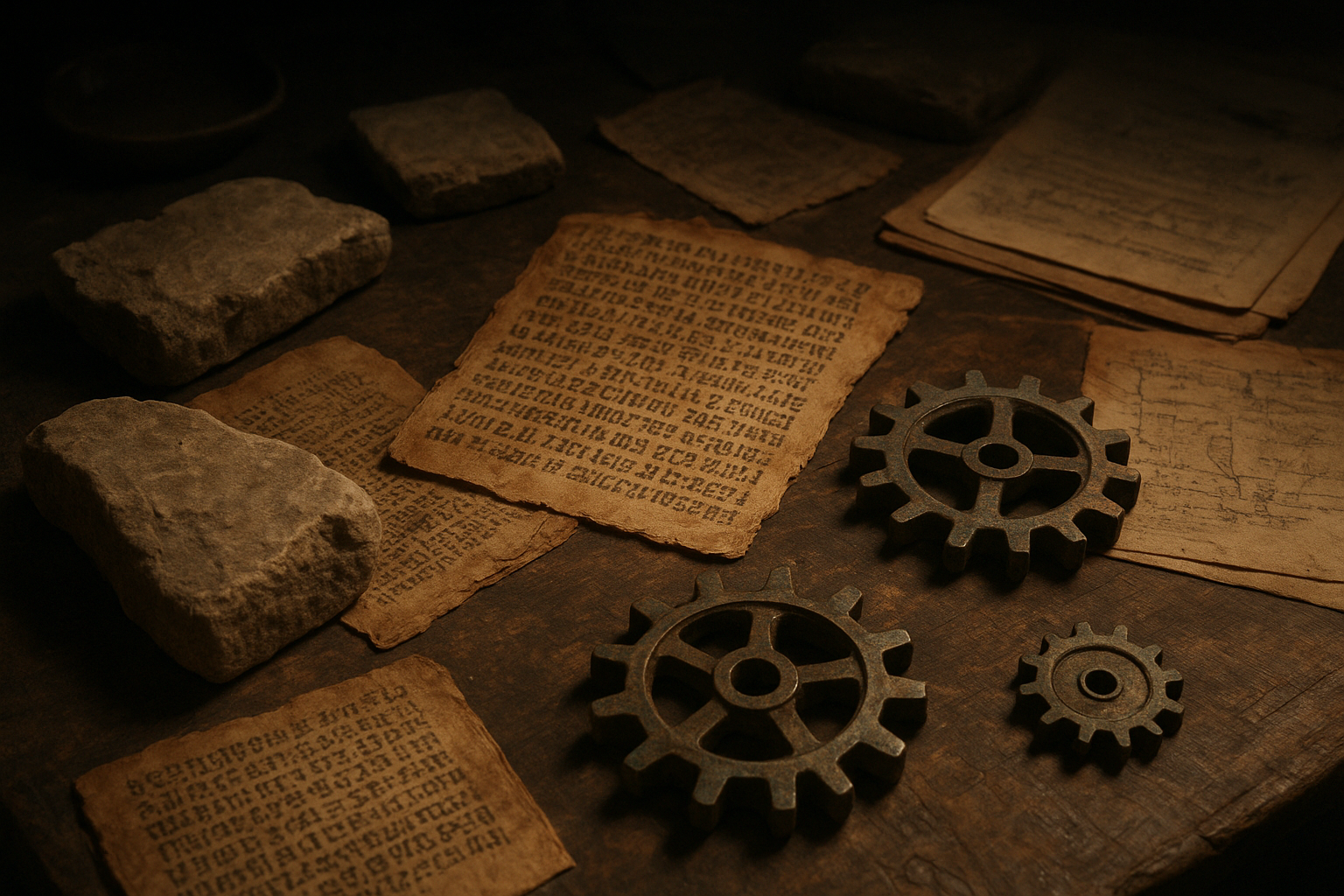
From undeciphered texts to lost tombs and impossible machines, these historical mysteries remain unfinished because the evidence still refuses to settle into one explanation.
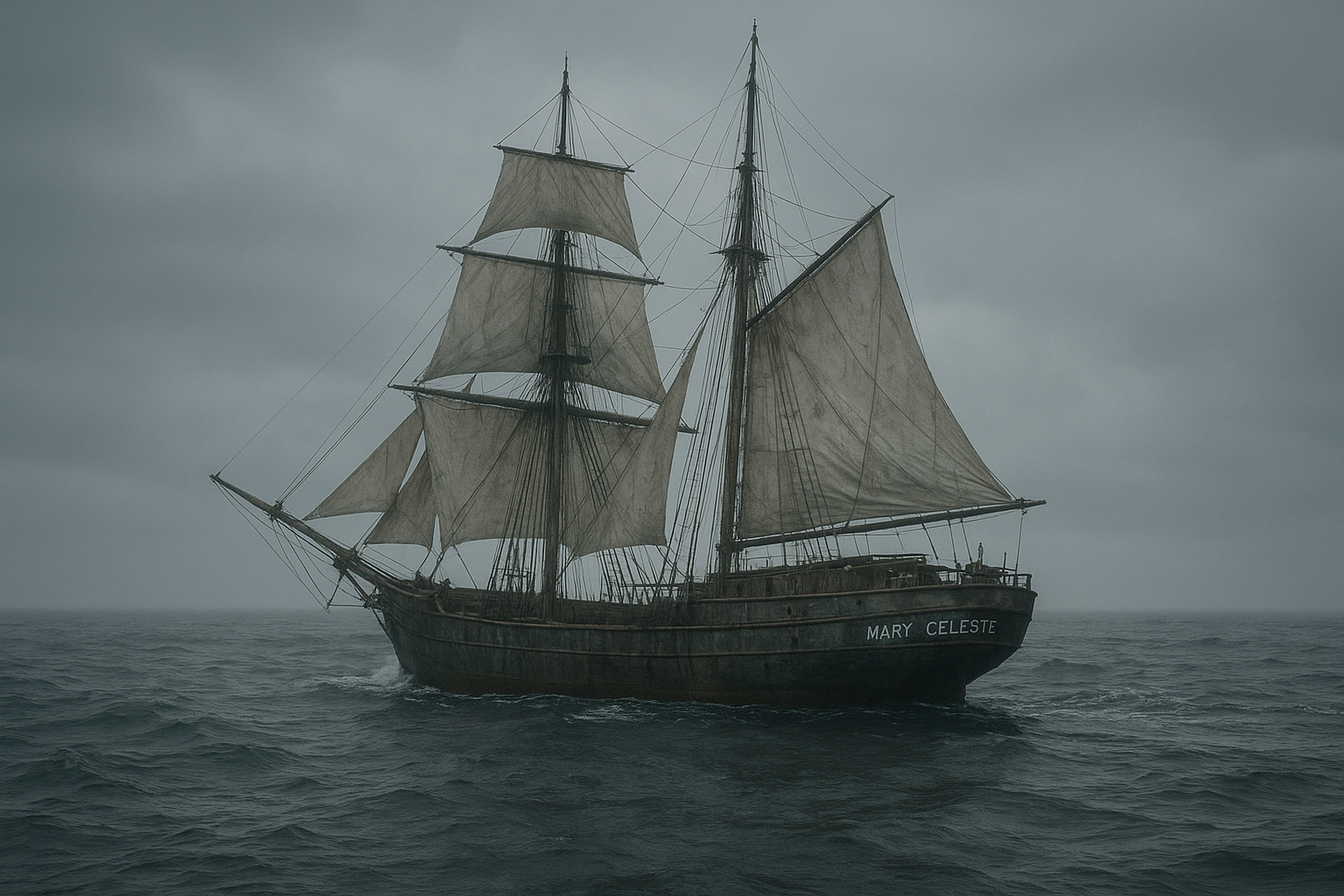
The Mary Celeste mystery is the chilling true story of a ship found drifting across the Atlantic in 1872 with its cargo intact and every person on board gone. More than a century later, the disappearance of Captain Benjamin Briggs, his family, and his crew still stands as one of history's most haunting maritime mysteries.
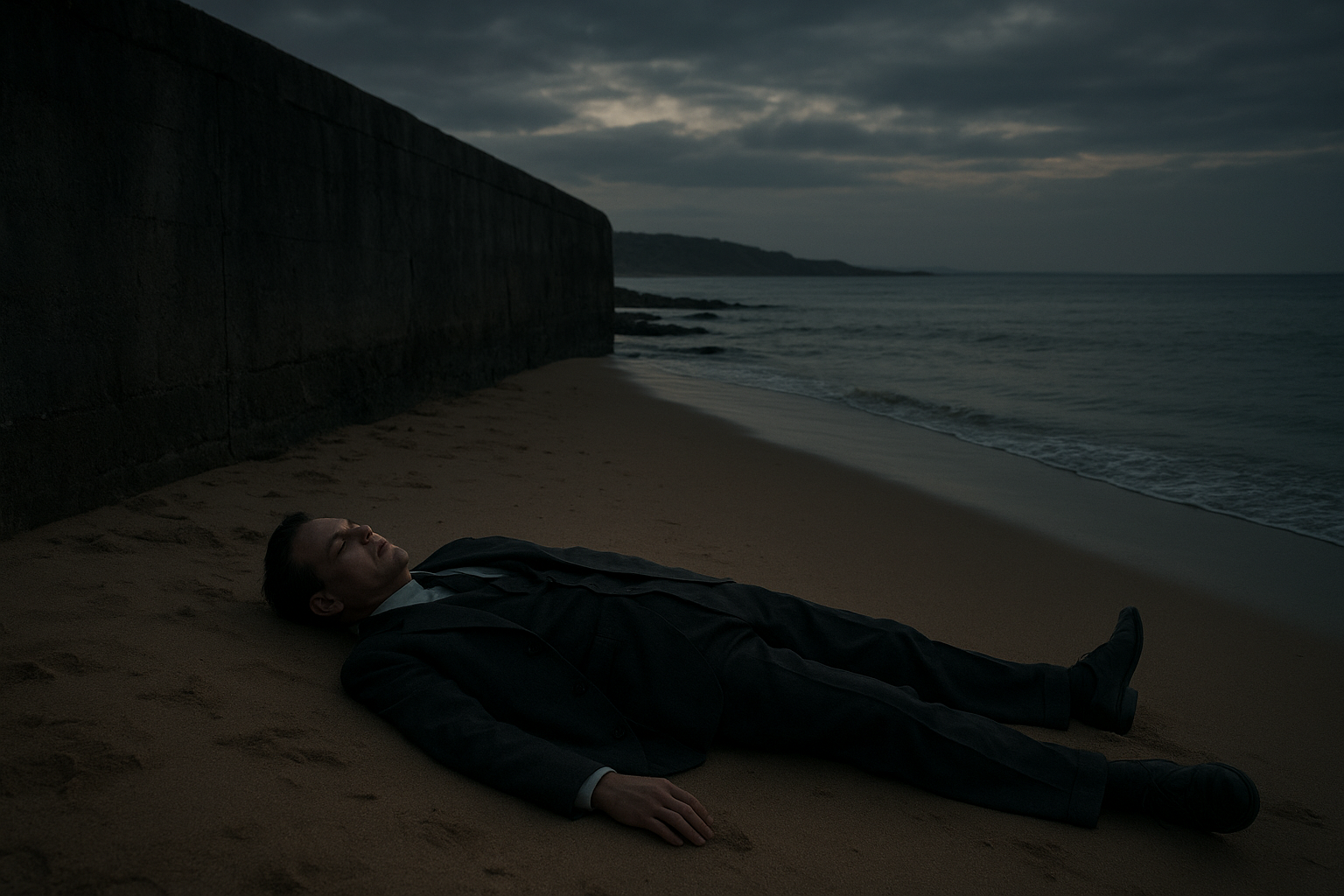
A man found dead on Somerton Beach in 1948 carried a hidden scrap of paper reading Tamam Shud, launching one of history’s strangest mysteries involving a coded message, a missing identity, and questions that still refuse to die.
In the summer of 1518, the city of Strasbourg fell under a strange and terrifying spell. It began with one woman who couldn’t stop dancing—then, within weeks, hundreds joined her, moving wildly day and night until some collapsed and died. Doctors called it “hot blood,” priests called it a curse, and historians still can’t explain it. Was it mass hysteria, poisoned bread, or something far darker? This is the eerie true story of The Dancing Plague of 1518, when an entire city lost control of its own body.
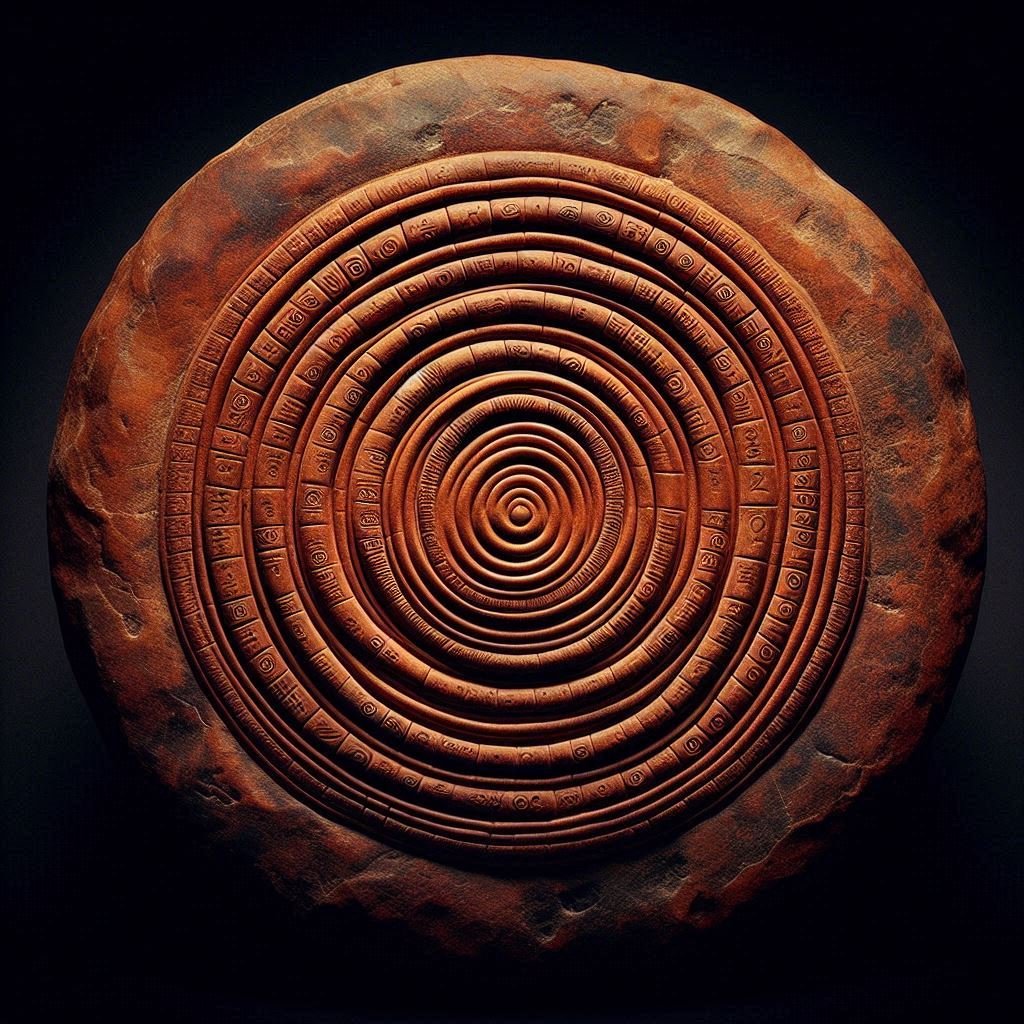
A small clay Phaistos Disc pulled from the ruins of Phaistos in 1908 still feels like a message from a vanished mind. More than a century later, the stamped symbols remain one of history's most haunting unsolved codes.
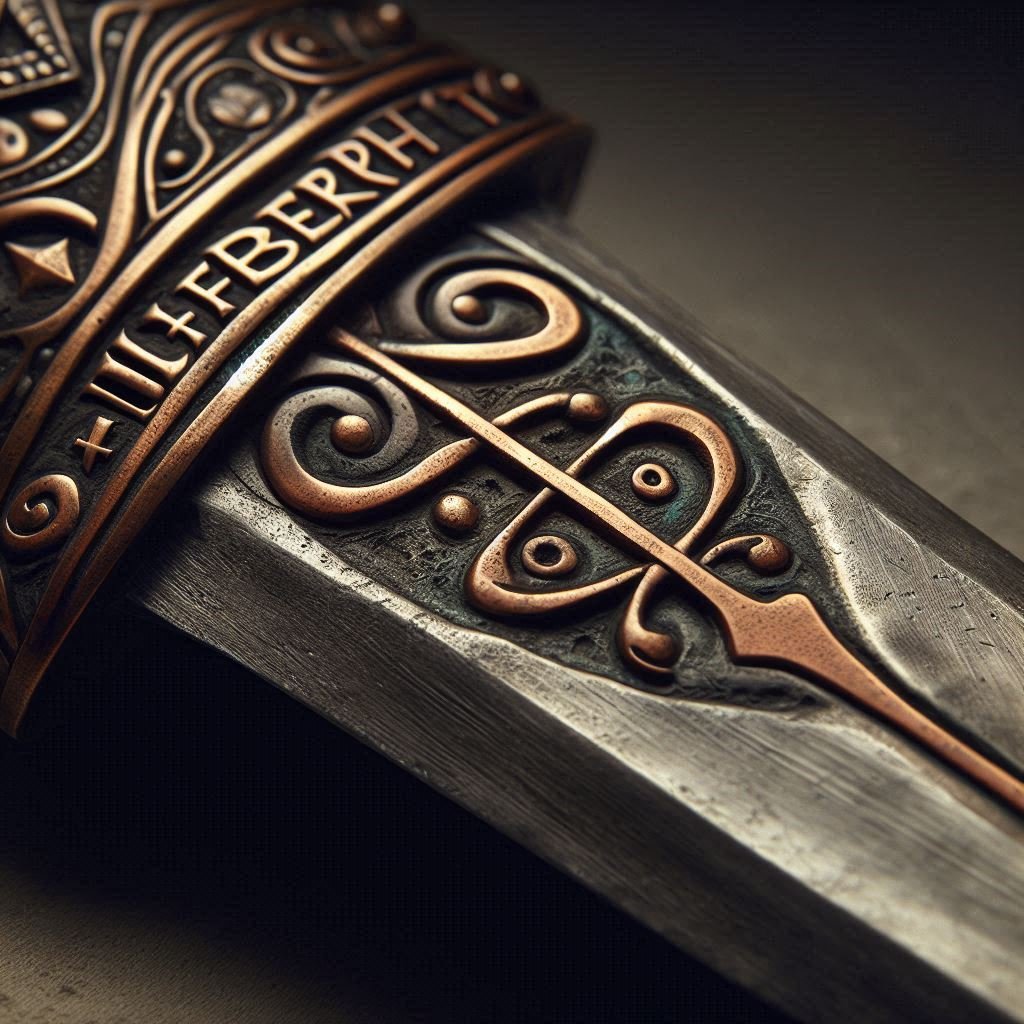
The Ulfberht swords were real Viking Age blades that seemed to arrive centuries too early. Their steel, their inscription, and the trade mystery behind them still leave history with a question it cannot fully answer.
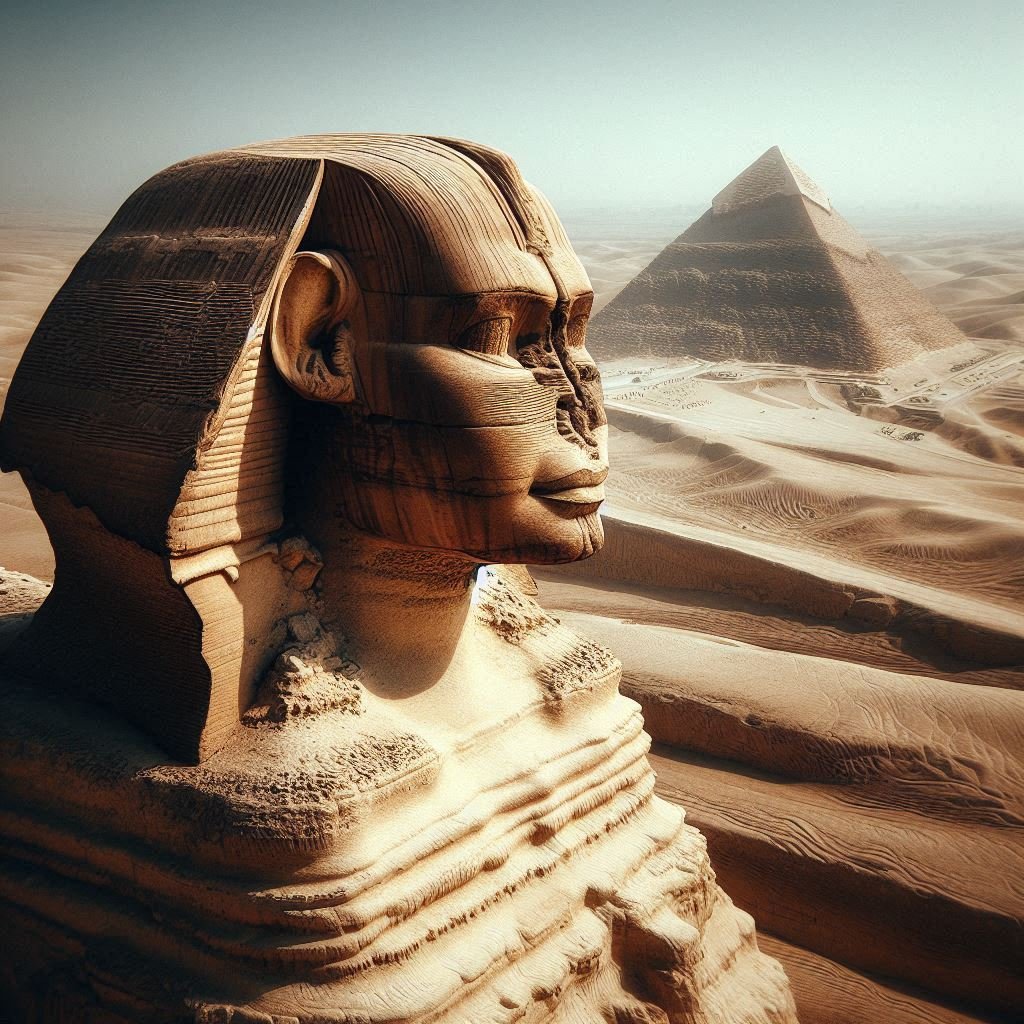
The Great Sphinx of Giza looks eternal, but the stone around it keeps fueling one of history?s most unsettling debates. If the erosion clues are telling the truth, the monument?s age may be far harder to settle than the textbooks suggest.
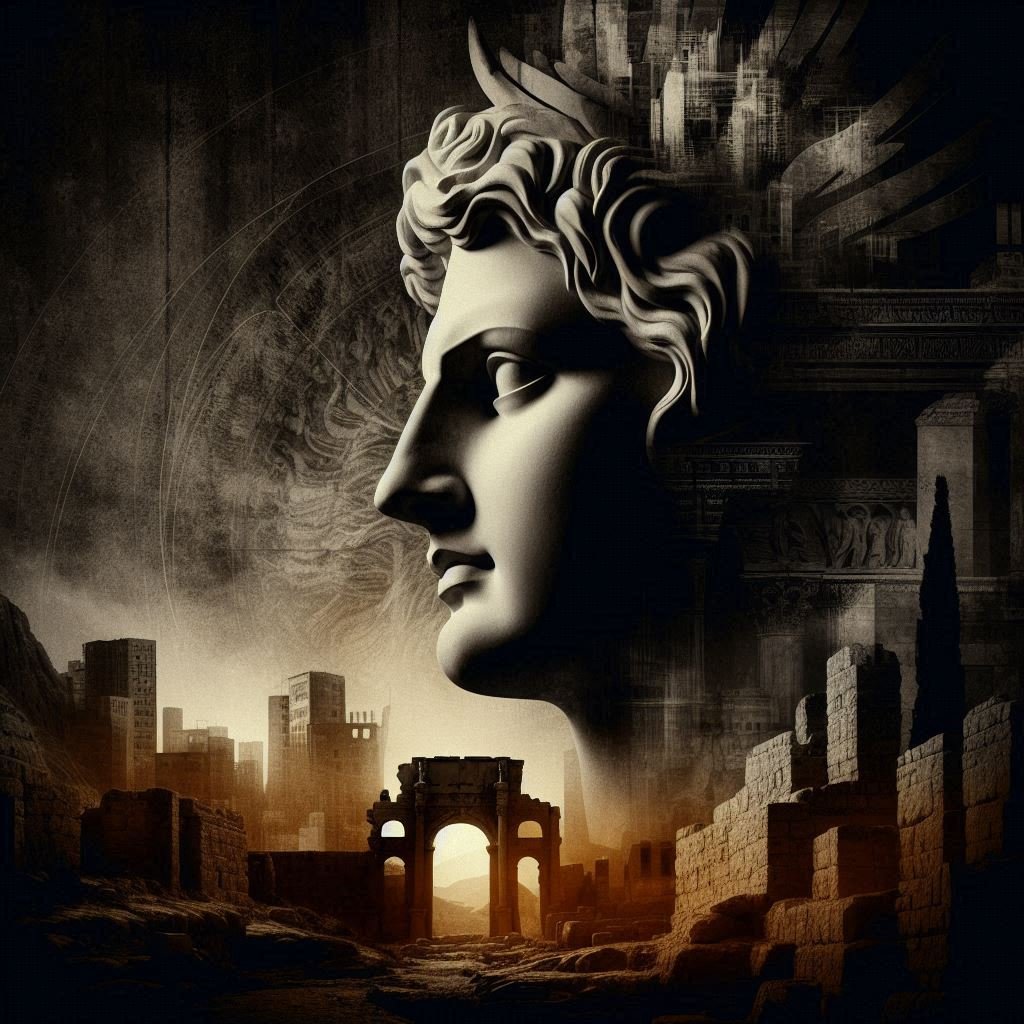
For centuries, Alexander the Great's tomb was famous enough for emperors to visit. Then the shrine, the body, and the trail itself slipped into one of history's deepest mysteries.
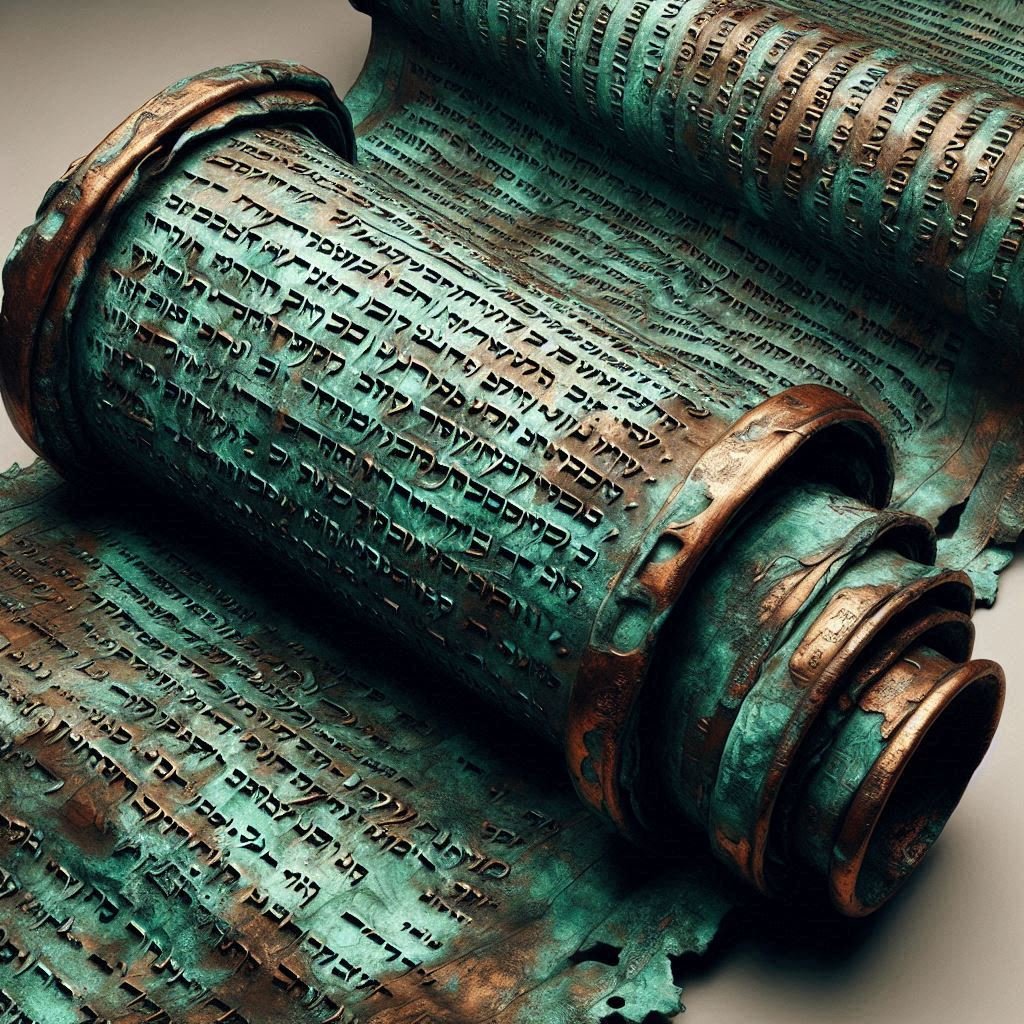
The Copper Scroll may be the oldest treasure map in history: a corroded metal scroll that appears to list buried riches no one has ever found. Its clues are real, its artifact survives, and its missing fortune still turns archaeology into a late-night mystery.
A woman in a headscarf may have filmed the JFK assassination from Dealey Plaza, then vanished before history could identify her. The Babushka Lady remains one of the most haunting missing-witness mysteries in the Kennedy case.