Some survival stories feel less like real life and more like something impossible that somehow still happened. Stories like the Andes plane crash survivors, 438 days at sea, and Aron Ralston’s fight to stay alive show what people can endure when there is no easy way out.
Other cases are unforgettable because survival came down to hours, sound, or sheer willpower—like Baby Jessica’s rescue, the Thai cave rescue, and the man found alive inside a sunken ship.
Then there are stories where nature itself became the enemy, from Yossi Ghinsberg lost in the Amazon to Louis Zamperini’s survival at sea and the impossible survival of Apollo 13.
These are stories about fear, endurance, and the moments when giving up would have been easier—but somehow, survival won anyway.
Explore the full collection of survival stories below.
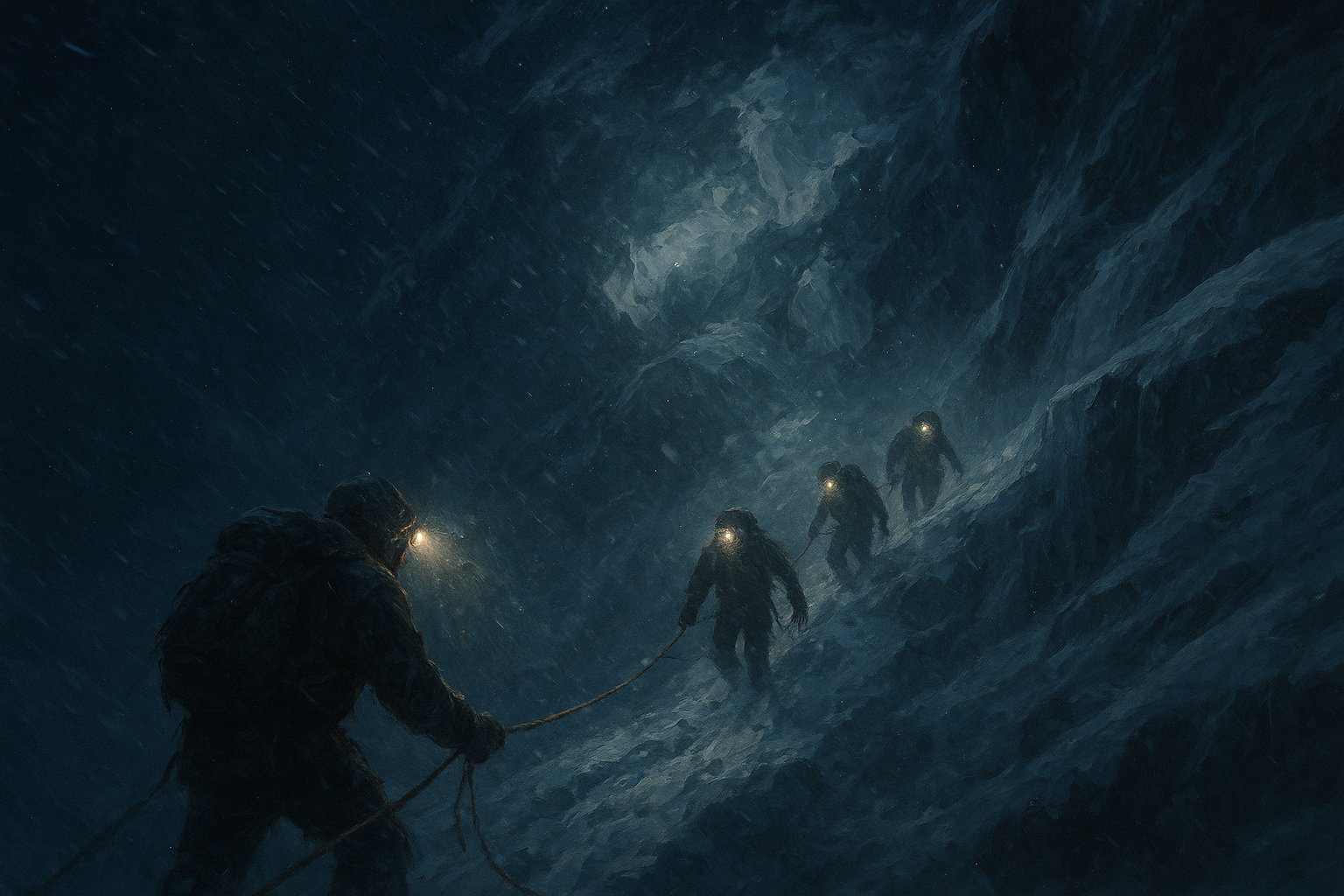
A late summit push, a shattered descent route, and one serac collapse turned K2’s Bottleneck into one of modern mountaineering’s darkest nights. This is the real story of the 2008 K2 disaster and why the descent became the true catastrophe.
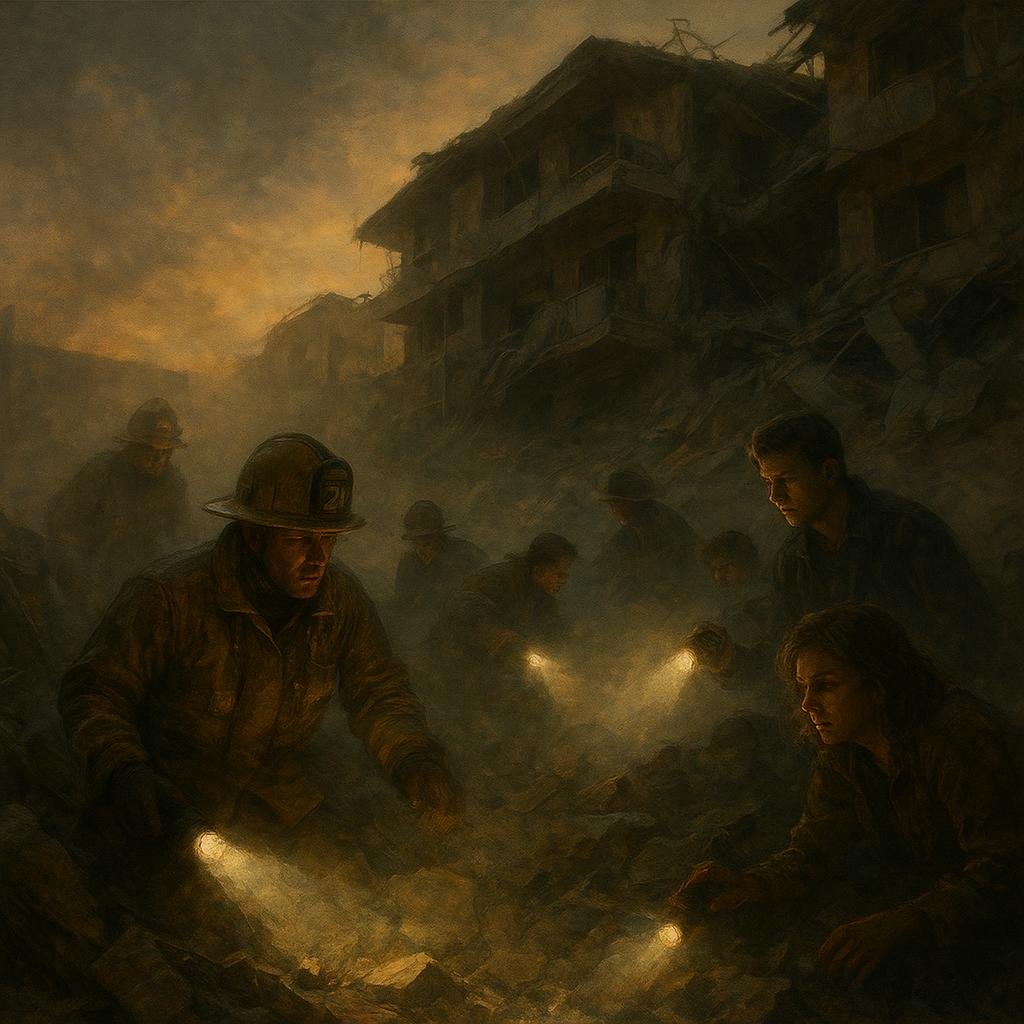
After the 1971 Sylmar earthquake crushed an apartment building into concrete layers, rescuers heard a faint knock from below?and realized the race for buried survivors was still alive.
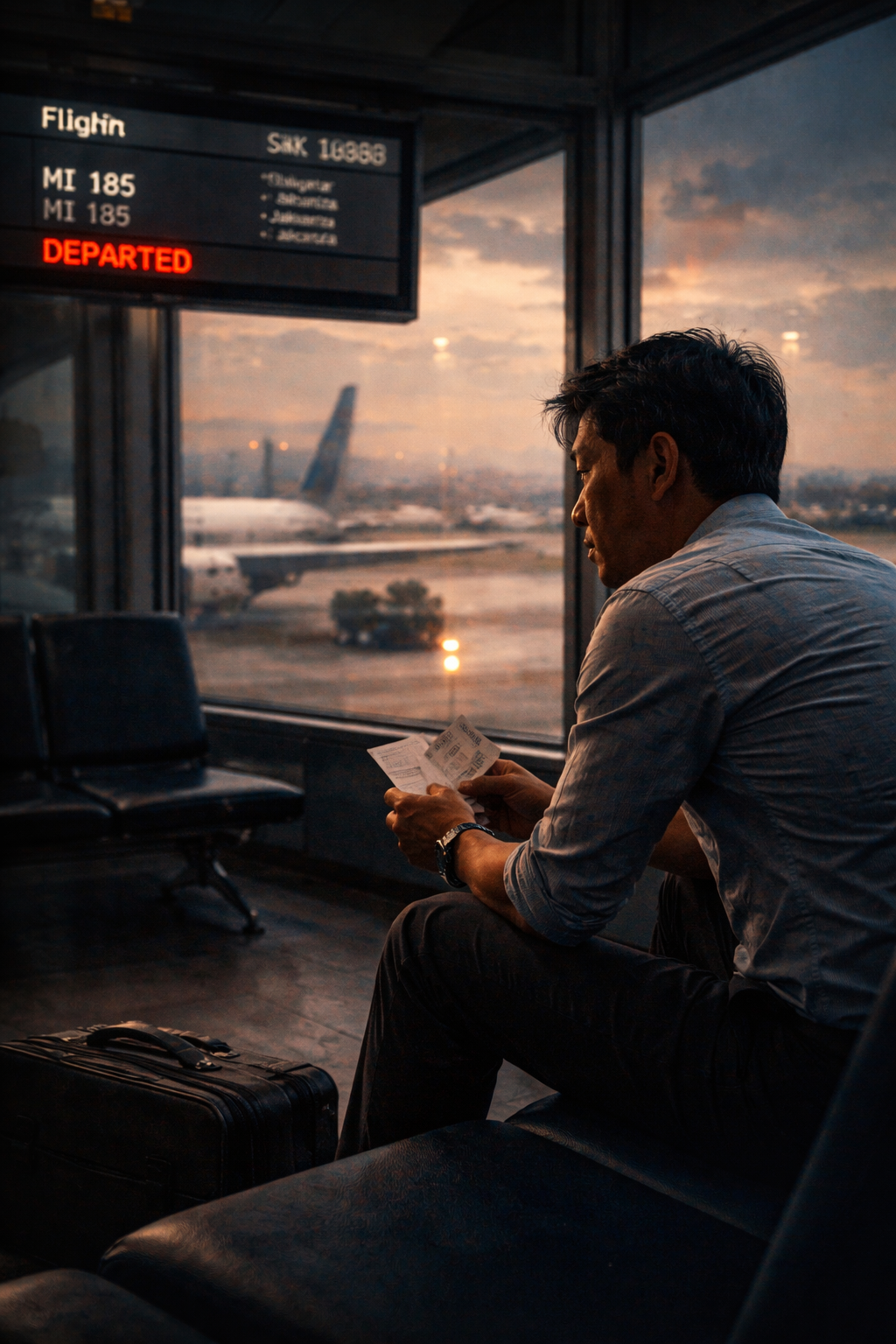
He missed SilkAir Flight 185 by minutes. What followed was one of the most haunting near-miss survival stories in aviation history: a routine delay, a doomed flight, and a disaster that still refuses to sit quietly in the past.
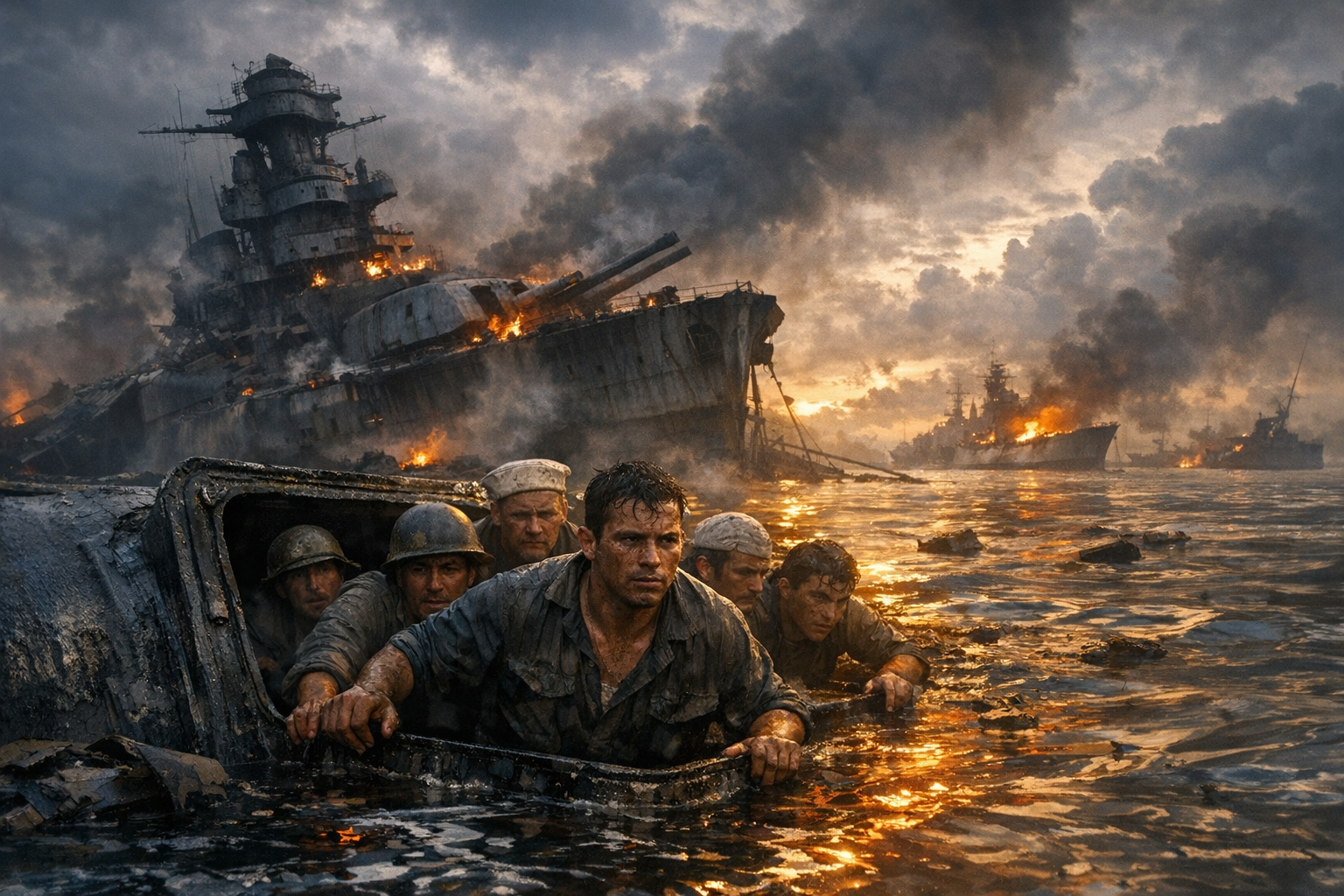
After Pearl Harbor, sailors said they could still hear knocking from inside the USS West Virginia. What happened next became one of the most haunting survival stories of the war.
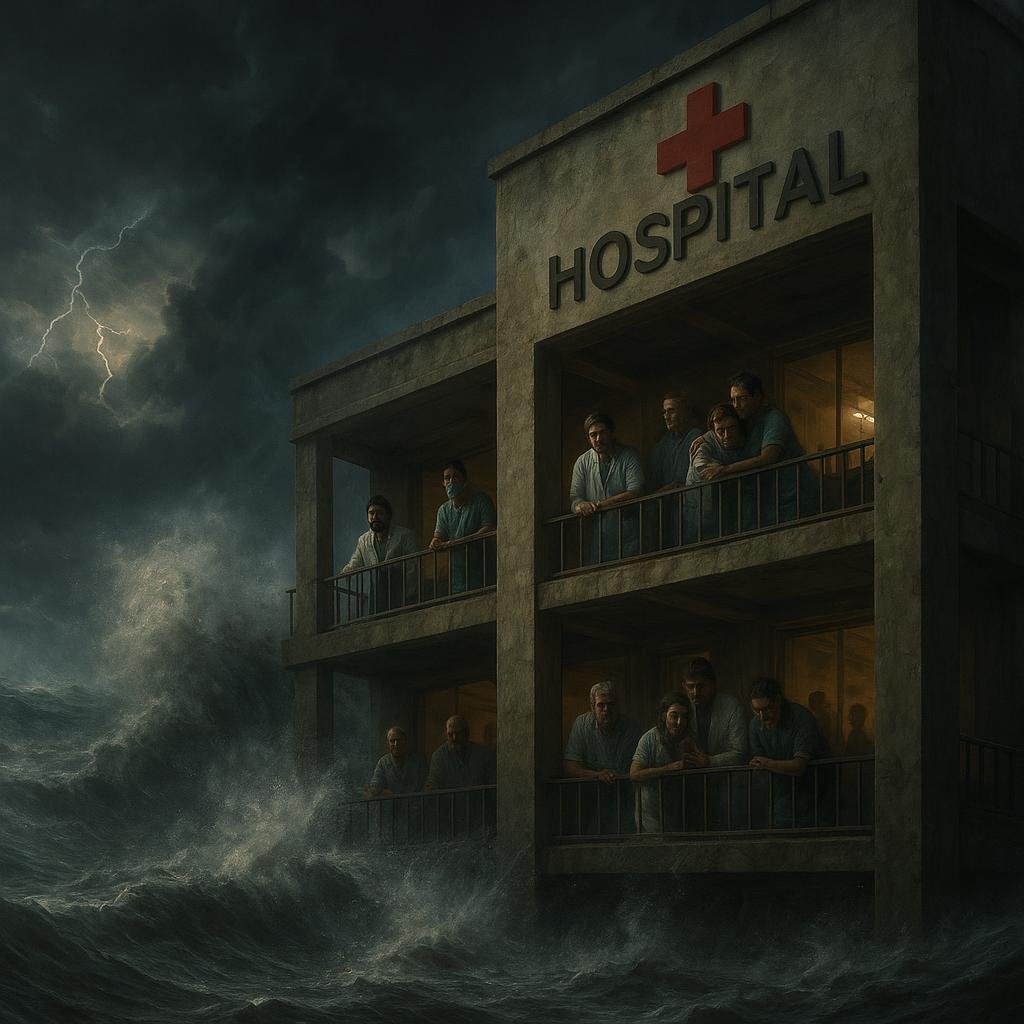
When the 2004 Sri Lanka tsunami hit Galle, the sea surged into a maternity hospital and turned an ordinary morning into a desperate vertical fight for survival. This is the documentary-style story of the patients and staff trapped inside when the ocean crossed the walls.
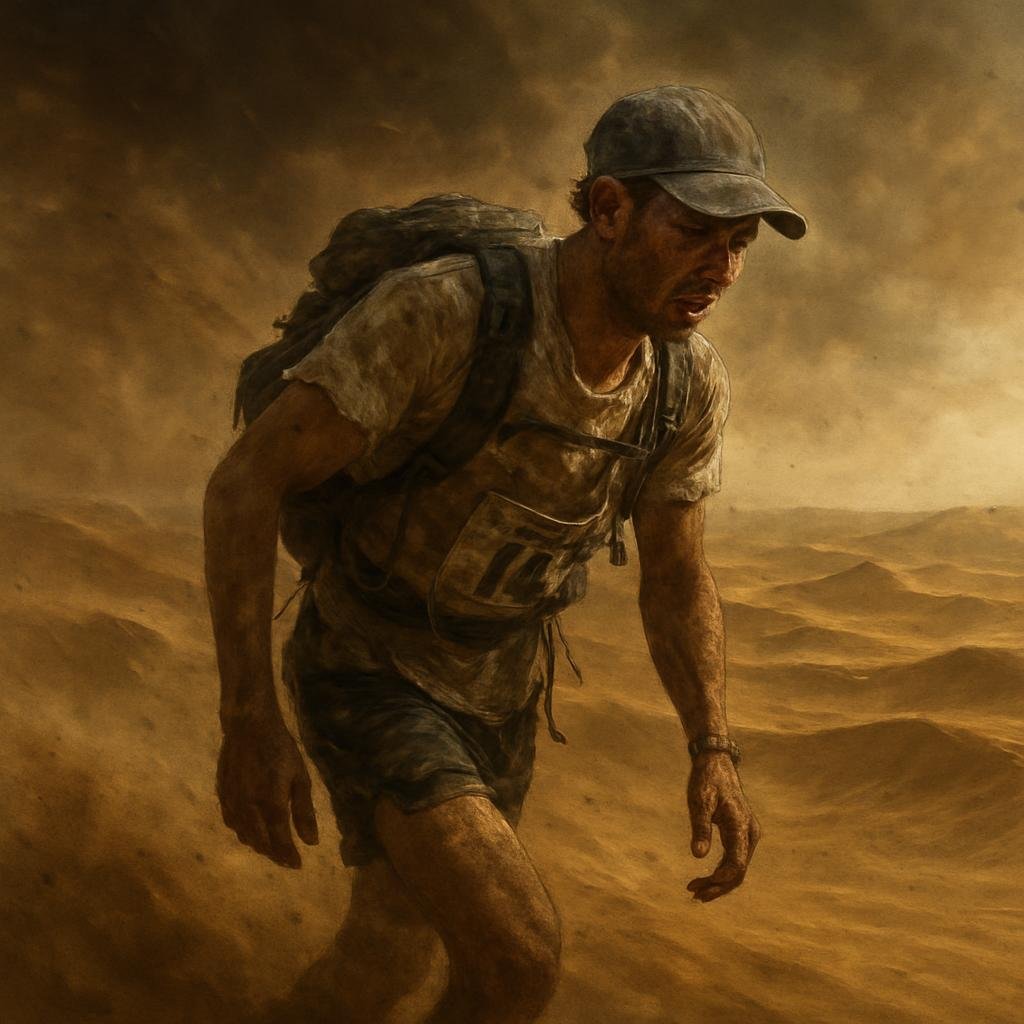
A Sahara sandstorm ripped Mauro Prosperi off the Marathon des Sables course and left him alone with heat, thirst, and silence. His nine-day desert survival story still feels less like sport than a disappearance that somehow ended with footsteps back into life.
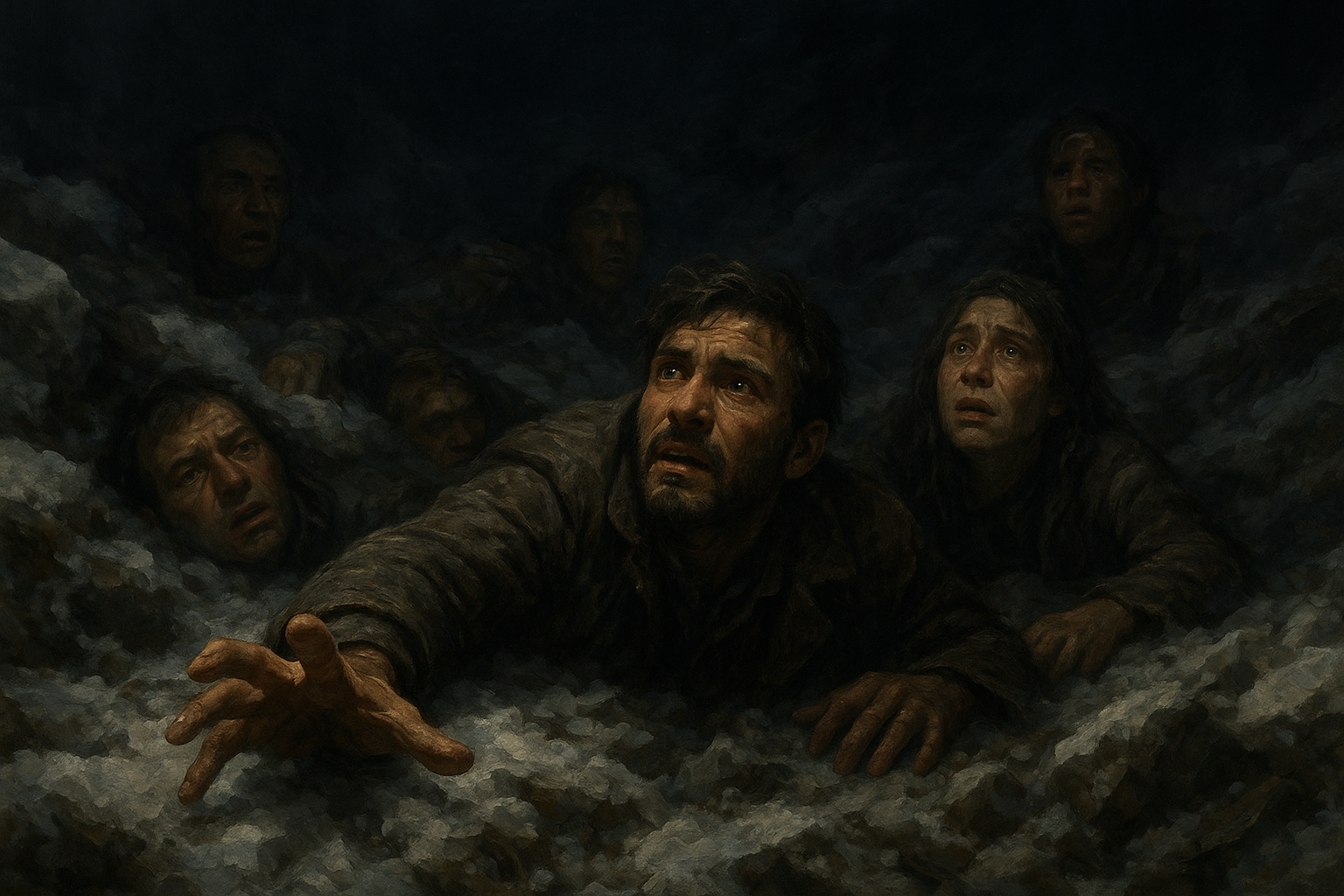
An avalanche erased an ordinary evening in Baquedano and left survivors fighting for air beneath the Andes. This is the story of the silence, the search, and the tiny sounds that led rescuers in.
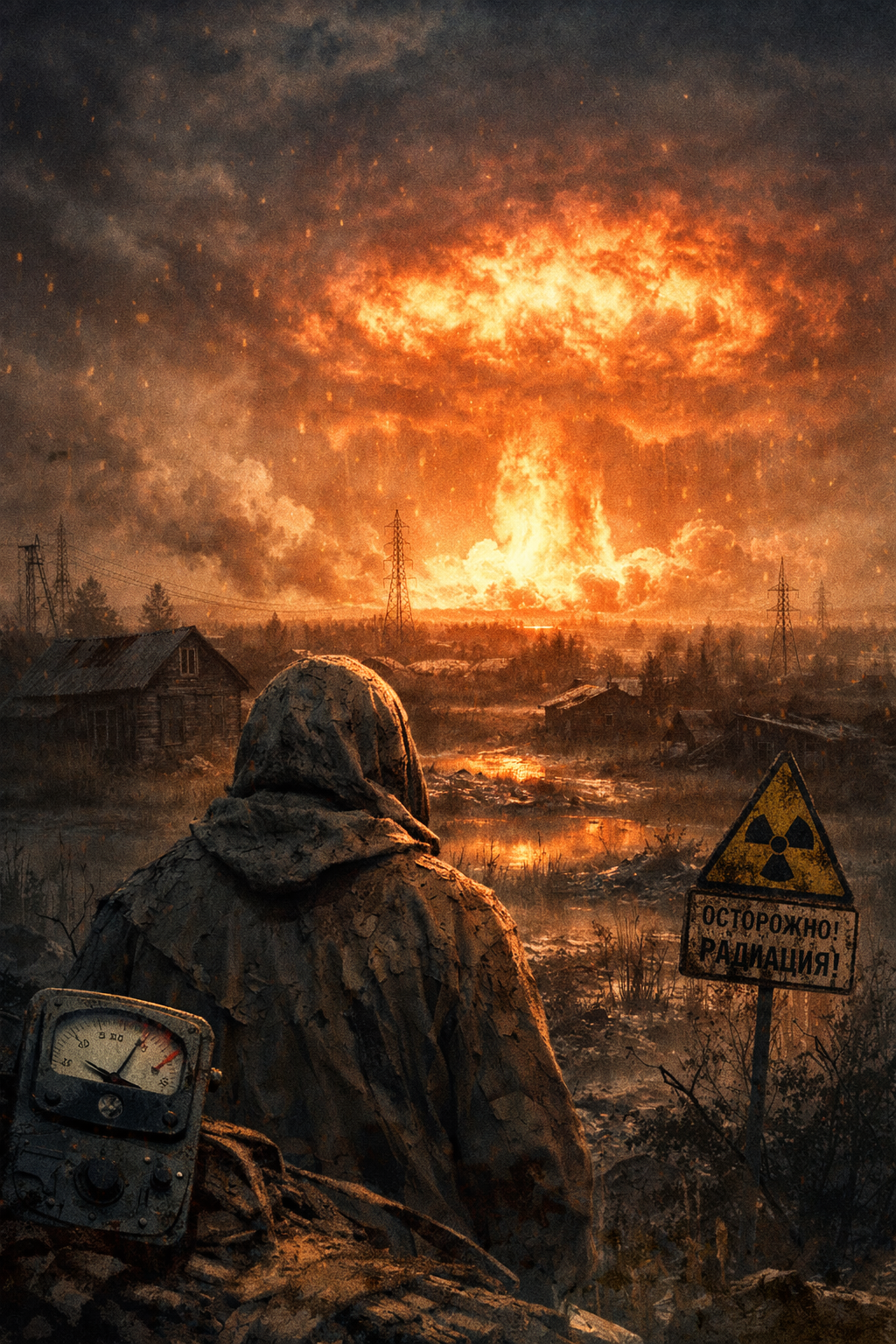
One blast at the secret Mayak nuclear complex turned the Kyshtym disaster into a slow, invisible survival ordeal of fallout, delayed evacuations, and truths people were never meant to hear.
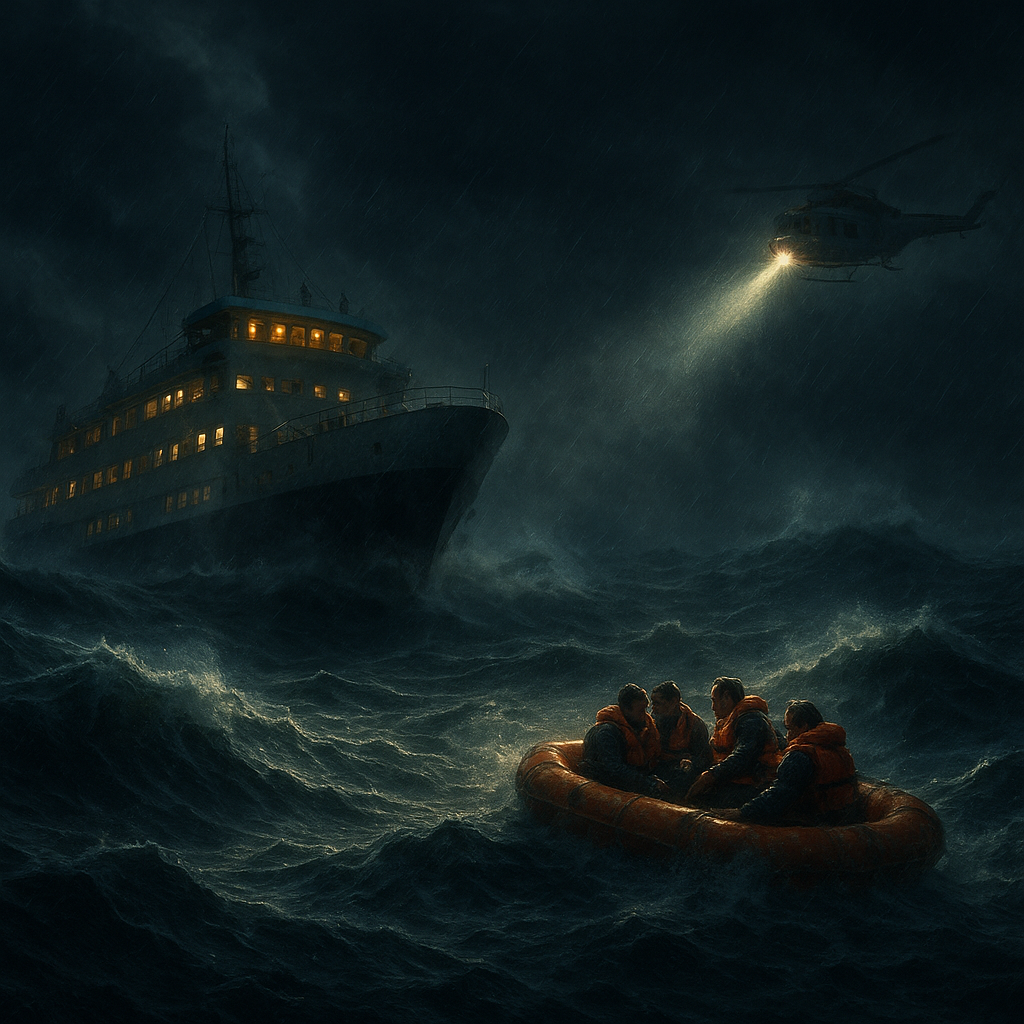
In less than an hour, the Estonia ferry disaster turned an overnight Baltic crossing into a frantic fight through tilting steel, black water, and a rescue window measured in minutes.
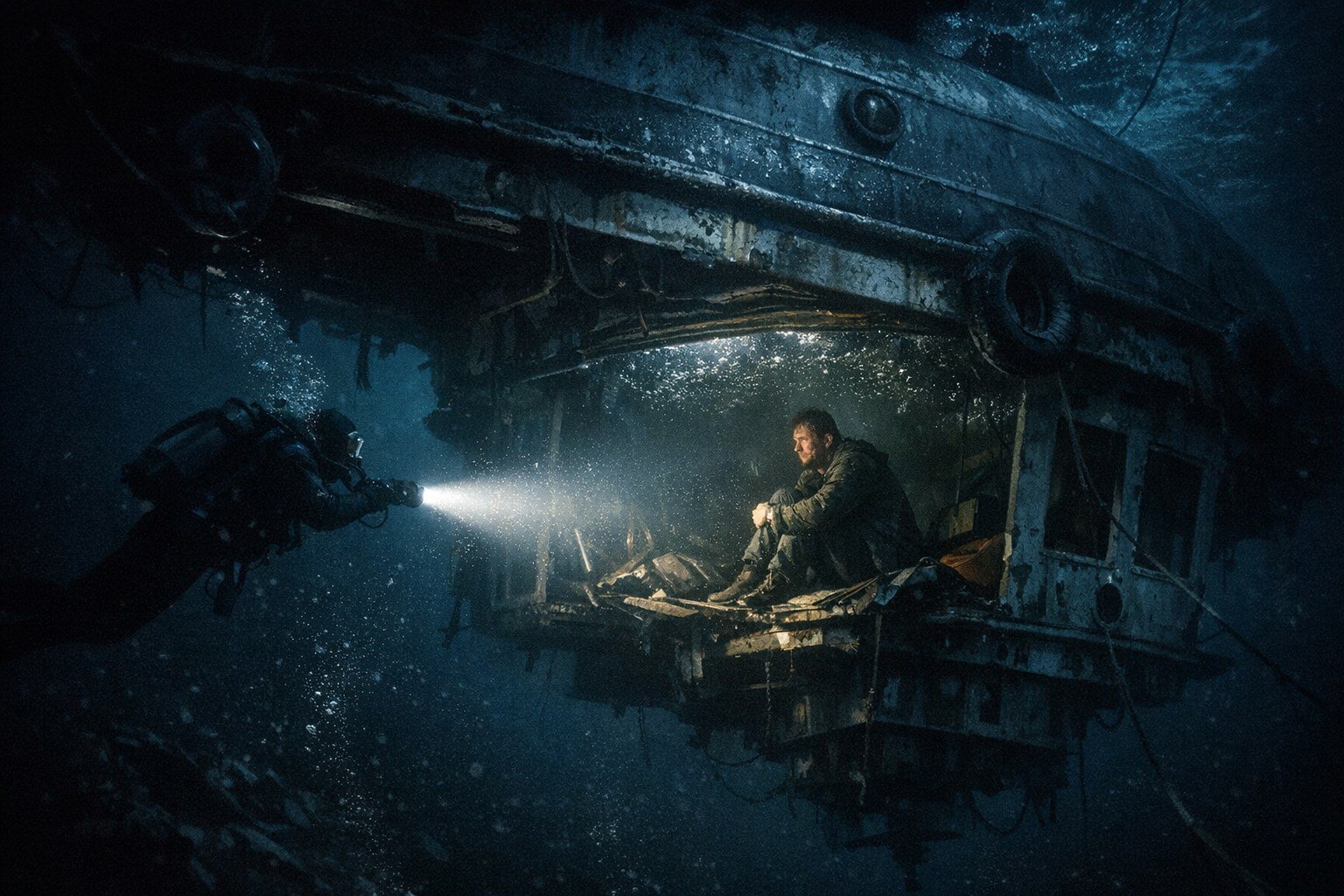
Trapped inside an upside-down ship one hundred feet underwater, Harrison Okene spent roughly sixty hours in darkness waiting for a light that should never have come.