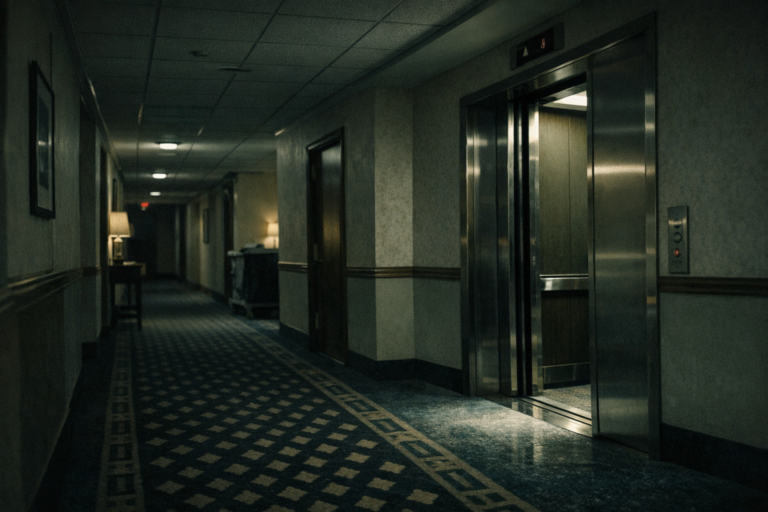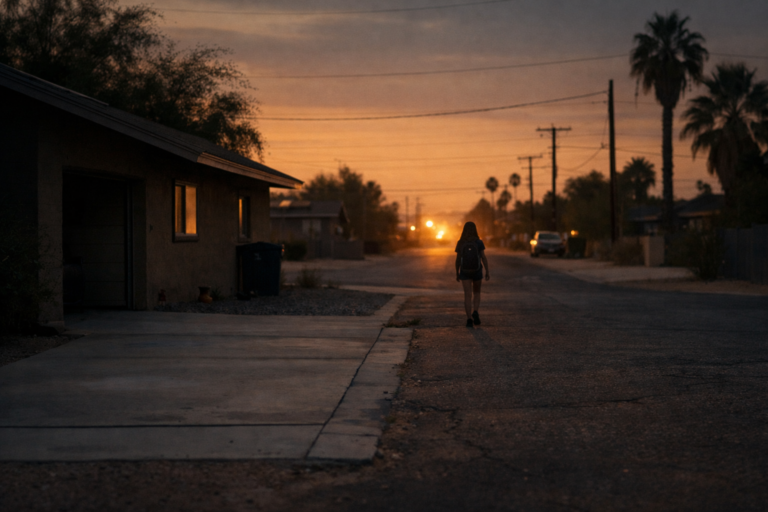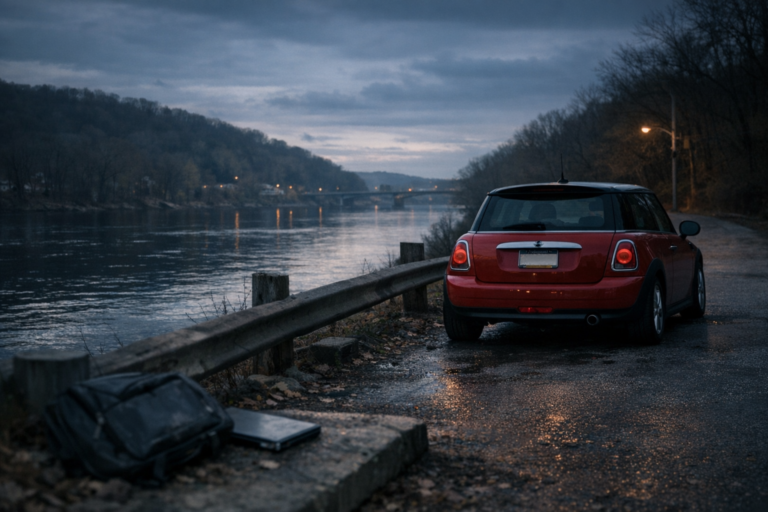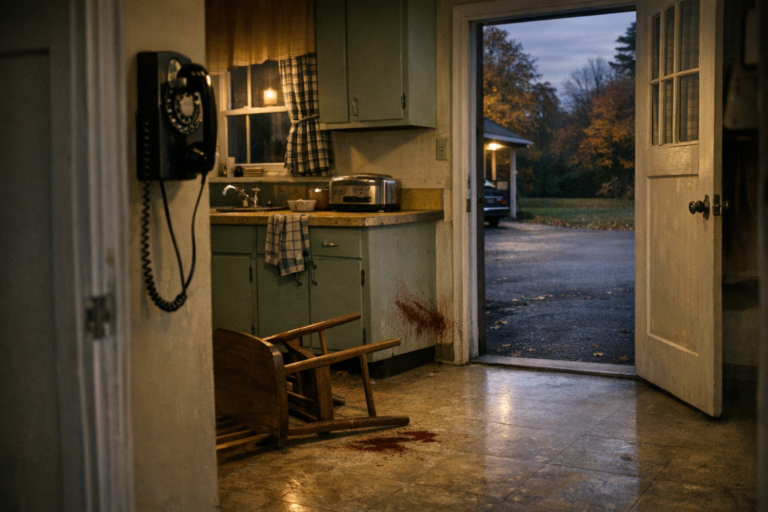
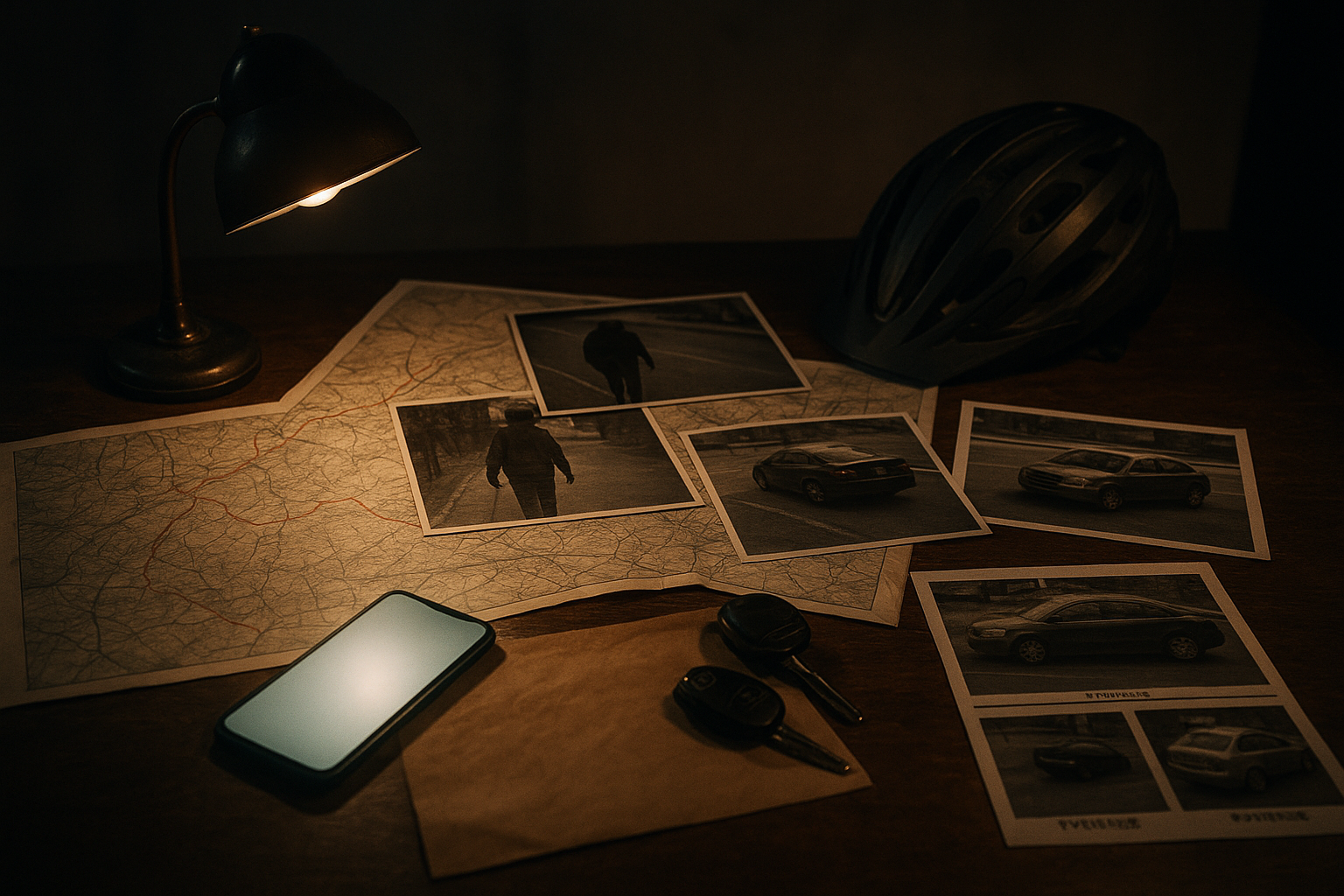
Some disappearance cases stay unsolved because the evidence runs out. The more unnerving cases are the ones where the evidence survives — and still refuses to behave. A route should narrow the question but does not. Footage should steady the timeline but does not. A car, a call, a witness, a domestic sequence, a radio transmission, a tiny missing interval: each detail looks like the kind of fact that should lock the final story into place. Instead it bends the story out of shape.
That is the documentary tension behind this page. These are disappearance cases where one detail contradicted the timeline people thought they understood. The contradiction did not solve the mystery. It made the mystery harder, because it forced investigators, families, and readers to go back and ask which part of the apparent sequence had been wrong all along.
What This Page Covers — and Why These Cases Matter
In some stories, the contradiction came from a route that made less sense the more closely it was studied. In others, it came from a car found in the wrong narrative place, a camera trail that created movement without closure, a family account that never sat comfortably inside the known sequence, or a technical clue that kept shifting the final map. What joins these cases is not victim type or era. It is the same investigative wound: one detail refused to fit.
That matters because disappearance audiences do not only search for names. They search for the clue that changed the whole read of the case — the CCTV trail, the impossible drive, the final radio message, the workday gap, the abandoned vehicle, the route that broke apart instead of closing.
This page also fills a real authority gap. RTRS already has strong timeline, last-sighting, surveillance, witness, and found-vehicle branches. Readers can move through Jennifer Kesse, Brandon Lawson, Bryce Laspisa, Daniel Robinson, Tiffany Valiante, and the Found Vehicle Disappearances Archive without ever arriving at one clean comparison page about contradiction itself.
It also matters because contradiction-heavy disappearances create stronger retention than generic mystery lists. Readers do not stop at the first case. They begin comparing patterns: Which clue narrowed the story? Which clue broke it open again? Which case was undone by a route, which by a witness, which by timing, which by technology, and which by one ordinary detail that refused to obey the official narrative? Once that habit forms, the reader starts moving naturally into neighboring hubs like What Happened After the Last Sighting?, The Final Timelines That Still Don’t Close, and Disappearance Cases Where One Small Clue Rewrote the Entire Timeline.
So this is not a broad roundup of famous missing-person stories. It is a comparison page for a very specific kind of disappearance: the case where the evidence survived, the timeline looked close to explanation, and one stubborn detail made the whole thing harder to believe.
8 Disappearance Cases Where the Evidence Contradicted the Timeline
Noah Donohoe
Noah Donohoe’s disappearance belongs near the center of this angle because the case is built around movement that should have become clearer with every recovered detail. A bicycle route, CCTV fragments, missing clothing, and the geography of Belfast all seem like the kind of evidence that should tighten the timeline. Instead, each confirmed element raised a new contradiction. The more the route was studied, the less stable the larger story felt.
That is exactly why Noah fits the central question here. This is not a disappearance remembered because there was no evidence. It is remembered because the evidence kept refusing to line up cleanly with what a straightforward final movement ought to look like. The route exists, but it never behaves like a solved route. The footage exists, but it never becomes a full explanation. The more people try to make the timeline settle, the more one detail seems to strain against the next.
The key mystery point is that the case contains visible motion without narrative closure. That makes it one of the clearest modern examples of evidence creating pressure without producing certainty. Read the full case here: What Happened to Noah Donohoe? The Belfast Cycling Timeline, CCTV Trail, and the Route That Still Breaks Apart.
Alicia Navarro
Alicia Navarro’s disappearance and later reappearance unsettled people because the timeline never behaved the way the emotional facts suggested it should. At first the case looked like one kind of mystery: a vulnerable teenager gone from home, with the usual fear that the earliest hidden detail would eventually explain the whole disappearance. But when later developments emerged, the case did not become cleaner. It became harder to place morally, psychologically, and chronologically.
The contradiction lives inside the story’s frame itself. A disappearance that once seemed to point in one direction starts resisting that reading when later facts surface. People then have to go back to the opening assumptions and ask which part of the timeline they misunderstood: the motive, the control, the contact, the hidden planning, or the extent to which the public story ever matched the private one.
The key mystery point is that the known facts keep forcing a re-read of the original narrative. Instead of one stable timeline, the case produces competing versions of how the disappearance actually unfolded. Read the full case here: What Happened to Alicia Navarro? The Teen Who Vanished, Reappeared, and Still Left Haunting Questions.
Susan Powell
Susan Powell’s case remains one of the harshest examples of how a disappearance can be surrounded by explanation and still feel structurally broken. Family routine, domestic setting, weather, vehicle movement, and the official account of the final known period all seem like facts that should anchor the story. Instead they generate contradiction. The deeper people look, the more the timeline feels shaped by what does not fit cleanly inside it.
She belongs here because the evidence does not behave like a stable frame around the disappearance. It behaves like a pressure chamber. Ordinary details that should have made the final sequence easier to understand instead make the sequence feel less believable, more strained, and more permanently argued over. The case keeps returning people to the same brutal question: which part of the story had to be bent in order for the timeline to look ordinary at all?
The key mystery point is that domestic familiarity never translated into documentary clarity. The contradictions inside the timeline are part of why the case has never stopped feeling so emotionally unresolved. Read the full case here: What Happened to Susan Powell? The Missing Mother, the Final Timeline, and the Family Story That Kept Getting Darker.
Kiely Rodni
Kiely Rodni’s disappearance gripped people because the case seemed, at first, as if it should become easier to read once the final party timeline was rebuilt. A known social setting, a vehicle, friends, a narrow departure window, and a recognizable late-night sequence all suggested that one decisive detail would eventually make the route make sense. Instead the case kept opening and reopening arguments about what the evidence actually proved and what it only appeared to prove.
That makes Kiely a strong fit for this hub. Here again, the contradiction is not the total absence of evidence. It is the friction between expected narrative order and the stubbornness of the details that survived. A case with a car, a known event, and public attention should feel easier to stabilize than it does. When it refuses to stabilize, the story becomes much bigger than one final departure.
The key mystery point is that the timeline seems close enough to solve to keep pulling people back into it. That near-clarity is exactly what gives contradiction-driven disappearances their long life. Read the full case here: What Happened to Kiely Rodni? The Party, the Car in the Water, and Why the Case Still Doesn’t Feel Settled.
Kristin Smart
Kristin Smart’s disappearance works powerfully inside this theme because the route home should have narrowed the case and instead became the permanent center of pressure. A short walk, a late-night campus setting, a final social handoff, and years of scrutiny turned the timeline into the case’s most unforgiving terrain. It is not only that Kristin vanished. It is that the known sequence remained just solid enough to make its missing section feel intolerable.
She belongs here because contradiction in disappearance cases is not always a weird object or a dramatic technological clue. Sometimes the contradiction is the route itself. If the final movement was this short, this socially witnessed, and this geographically constrained, why did it refuse to produce a clean ending? That question kept the case alive for decades and forced every known detail to be weighed against the same impossible gap.
The key mystery point is that the timeline looked like it should contain the truth. Instead it contained a void that kept reordering the meaning of every surrounding detail. Read the full case here: What Happened to Kristin Smart? The Walk Home, the Silence on Campus, and the Break That Came 26 Years Later.
Crystal Rogers
Crystal Rogers’ disappearance belongs in a contradictions hub because the case has always been shadowed by evidence that points outward in multiple directions at once. Vehicle location, family pressure, local atmosphere, and the larger Bardstown context never settled into one tidy sequence. Instead they created a case where one recovered fact rarely simplified anything. It usually widened the circle of suspicion, timing pressure, or narrative instability.
That makes Crystal a natural comparison point here. In contradiction-led disappearances, the important detail is often not a spectacular clue but a clue that refuses to stay obedient. A car where it should not be, a communication pattern that stops at the wrong point, a route that appears interrupted rather than completed — these are the kinds of facts that do not answer the case so much as change what the case appears to be.
The key mystery point is that the evidence never behaves like closure. It behaves like a set of pressure points that keep forcing the timeline to be read again from different angles. Read the full case here: What Happened to Crystal Rogers? The Bardstown Disappearance, the Missing Mother, and the Kentucky Mystery That Still Won’t Let Go.
Patrice Endres
Patrice Endres remains one of the most effective case studies in how compression itself can become a contradiction. She vanished within such a narrow workday window that the timeline should feel almost over-defined. Instead the shortness of the window is what makes the case so disturbing. Every minute accounted for seems to increase, not decrease, the impossibility of what followed.
She belongs here because disappearance readers often assume that more precise timing brings a case closer to solution. Patrice’s story is the opposite lesson. The evidence creates an almost cruel level of specificity, and yet that specificity still refuses to resolve into a stable narrative. When the timeline is that tight, every unanswered transition becomes heavier than it would be in a broader mystery.
The key mystery point is that the known sequence feels too narrow to hide what happened — and still somehow does. That is contradiction in its purest form. Read the full case here: What Happened to Patrice Endres? The 13-Minute Salon Disappearance That Still Feels Impossible.
Amelia Earhart
Amelia Earhart’s disappearance proves that contradiction-driven timelines are not only a modern true-crime pattern. Technical route estimates, radio messages, fuel concerns, navigation uncertainty, and the interpretation of final transmissions turned Earhart’s last known phase into a century-long argument about which detail matters most. The evidence is extensive enough to feel solvable and unstable enough to keep moving the map underneath the reader.
She fits this page because the contradiction is structural. Every disputed clue alters the shape of the final approach. One reading suggests the route nearly closes. Another suggests the route was misread from the start. A case like Amelia’s survives because one detail never simply adds context. It has the power to rewrite the whole geography of the disappearance.
The key mystery point is that the final timeline feels measurable yet perpetually unsettled. That tension is exactly why the story remains one of the great documentary disappearances rather than a settled historical loss. Read the full case here: Amelia Earhart Disappearance — Lost Somewhere Over the Pacific.
Why These Disappearances Still Don’t Make Sense
What these cases have in common is not that they lack facts. It is that the facts do not cooperate. In a standard missing-person story, evidence ideally pushes the narrative toward one stable reconstruction of the final movements. In contradiction-driven disappearances, the opposite happens. Each fact clarifies one edge of the story while blurring another. A route becomes visible but not believable. A witness helps but does not settle. A camera catches part of the sequence while leaving the decisive handoff invisible. A vehicle or domestic detail narrows the possibilities and simultaneously makes the remaining possibilities feel stranger.
That is why these cases tend to become stronger authority assets than ordinary case summaries. They teach readers to look for the hinge point where the disappearance stopped behaving logically. Once that instinct takes hold, the archive becomes more than a library of names. It becomes a documentary board of patterns: contradiction in routes, contradiction in timing, contradiction in recovered vehicles, contradiction in social sequence, contradiction in the last known narrative frame.
It also explains why the neighboring RTRS rooms fit so naturally around this page. If the contradiction lives inside visibility, readers move toward surveillance pages. If it lives inside the vehicle, they move toward found-car archives. If it lives inside the final witness or clue, they move toward last-sighting hubs. If it lives inside a brutally narrow sequence, they move toward the timeline pages. Contradiction is not a side topic.
Another reason these stories remain so durable is that contradiction creates false proximity. The evidence makes the answer feel near. A route exists. A map exists. A camera exists. A final domestic window exists. A technical record exists. That should bring the truth closer. Instead it traps the case in a permanent loop of near-clarity, where every re-reading seems capable of solving the mystery and still never does.
That is why these disappearances keep pulling readers back. They are not only unresolved. They are actively difficult in a more specific way: the story should fit, and it does not. Once a case reaches that point, it stops being just another disappearance and becomes an argument that can survive for years.
It is also worth noticing how many of the site’s strongest disappearance pages rely on that same logic even when they are not framed around contradiction in the title. Jennifer Kesse is anchored by footage that should have yielded more than it did. Brandon Lawson remains inseparable from a 911 call that still scrambles interpretation. Bryce Laspisa lives inside a drive that feels too visible to remain so incomplete. Daniel Robinson and Tiffany Valiante both keep returning readers to the same uneasy experience: a case where the evidence keeps existing in public view without becoming consensus.
That is what turns contradiction into a real search-and-retention angle instead of a vague mood. Readers are not just asking where someone went. They are asking why the surviving evidence still does not produce a trustworthy story.
Conclusion
The hardest disappearance cases are not always the ones with no trail at all. Sometimes they are the ones with just enough trail to keep reopening the same argument. A route exists, but the route feels wrong. A timeline exists, but one interval breaks it. A car, a call, a camera frame, a final domestic sequence, a technical signal — each piece of evidence feels important enough to matter and incomplete enough to keep the case from closing.
They are not grouped together because they are famous. They are grouped together because they all force the same forensic question: which detail contradicted the story people first believed about the disappearance?
Once that contradiction appears, the case stops behaving like a blank absence. It becomes a timeline argument. Readers replay movements, compare clues, revisit assumptions, and carry the feeling that the answer was close enough to touch if only one fact would finally fall into place.
But that final clean fit never arrives. The contradiction remains. The evidence survives. And the disappearance keeps refusing to settle into the story it should have been.
🔎 If this story stayed with you, the author suggests these deeper investigations next:
- The wider disappearance archive built around timelines, surveillance, sightings, vehicles, and cases that still refuse to close
- The documentary breakdown of disappearances where the evidence keeps pushing the likely ending in different directions
- The cases where one witness, one camera, or one clue changed the whole read of the disappearance
Explore more Disappearances stories here: