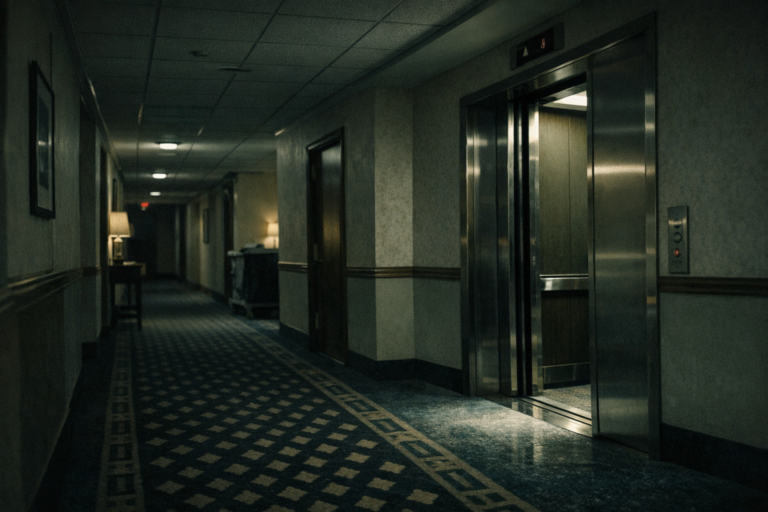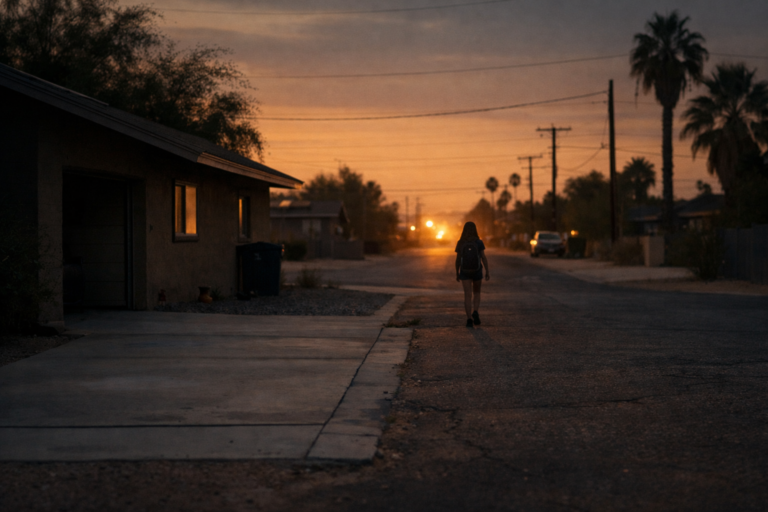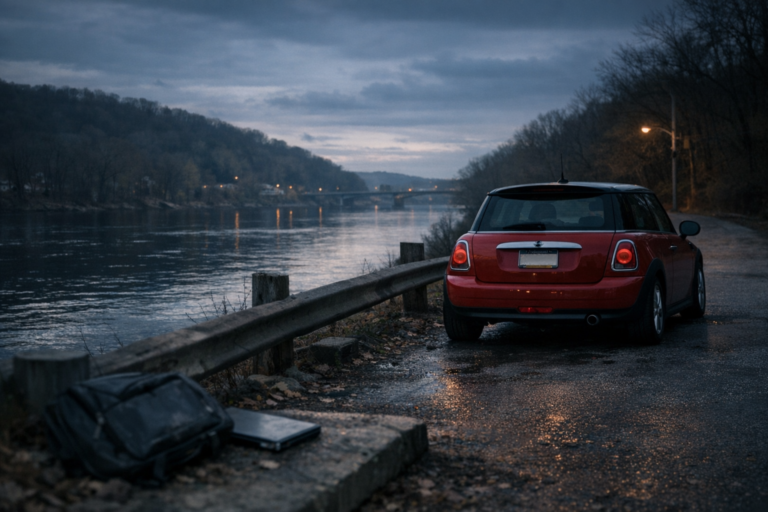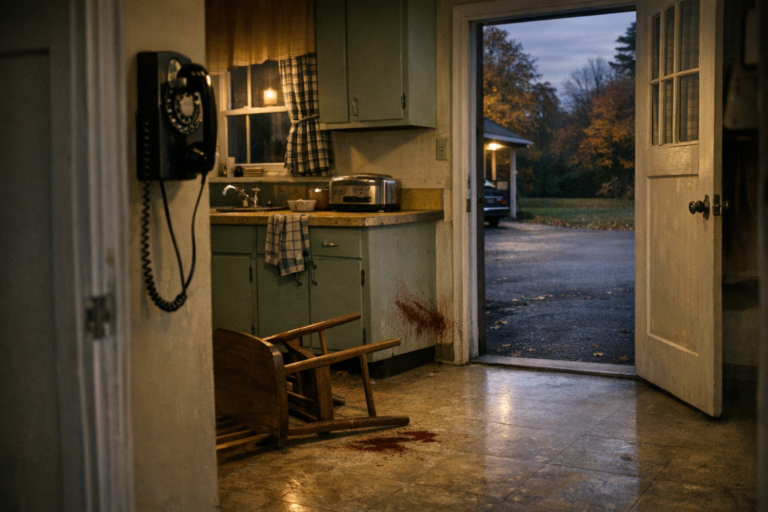
Disappearances keep people awake for a different reason than most crimes. A murder case can be brutal. A kidnapping case can be terrifying. But a disappearance leaves behind a wound the mind cannot close. There is no final scene to stand in. No certain ending to grieve. No stable sentence to put around what happened. Instead there is a last drive, a final call, a grainy camera frame, a witness who may have seen too little or just enough, a car left behind, a person who should have reached the next hour and never did.
That unfinished space is where obsession begins.
People do not return to missing-person cases only because they are tragic. They return because uncertainty behaves like a living thing. It keeps shifting shape. In one case, the timeline feels like it points toward panic or accident. In another, the vehicle placement feels wrong enough to suggest intervention. In another, footage preserves movement but not meaning. In another, a final decision looks deliberate until one contradictory detail breaks the whole theory apart.
The strongest disappearance files survive because they refuse to stay in one category. They move between accident, coercion, voluntary flight, confusion, foul play, and permanent ambiguity. That is why this archive exists above the site’s other disappearance branches. Not to flatten the cases into a single answer, and not to perform certainty where certainty does not exist. The point is to study how different evidence types pressure a case in very different directions.
Some disappearances pull hardest because the evidence leans. Some endure because the evidence splits. Some never stop attracting readers because one piece of the story looks almost decisive until another piece makes that interpretation unstable again.
This is that room in the archive.
The place where timeline pressure, vehicle logic, surveillance footage, witness testimony, final decisions, and scene evidence are read side by side to ask the question people keep asking anyway: what likely happened here, and why does the answer still refuse to fully settle?
Table of Contents
How This Authority Archive Is Organized
That matters because readers do not move through disappearance cases randomly. A person who gets pulled in by Brandon Lawson is usually not looking for another case just because it is unsolved. They are looking for another file where the final known movements create pressure toward one theory while still leaving room for doubt. Someone who enters through Bryce Laspisa is often really chasing route logic, behavioral drift, and the moment a normal drive became a break in reality. Someone who arrives through Jennifer Kesse or Steven Koecher is following the cold procedural terror of public visibility that still failed.
Related disappearance archives examine these evidence patterns in greater detail. The Unsolved Disappearances Archive – Timelines, Surveillance, Sightings, Vehicles, and the Cases That Still Refuse to End remains the broad master vault. The Found Vehicle Disappearances Archive – Abandoned Cars, Empty Roads, Parking-Lot Silences, and the Cases Where the Vehicle Stayed Behind handles one of the strongest physical-evidence patterns in the cluster. Disappearances Caught on Surveillance Footage: 9 Cases Where the Camera Recorded the Last Known Moment deals with last-seen footage that should have narrowed the truth. What Happened After the Last Sighting? The Disappearance Cases Where One Witness, One Camera, or One Clue Changed Everything studies the final surviving clue as an investigative fracture point.
It is not built around one evidence type. It is built around interpretive pressure. Each section asks what the surviving evidence appears to push us toward, where that pressure is strongest, and where it breaks down.
The goal is simple. Not to claim final answers that investigators and families do not have. To explain why certain cases feel as if they are leaning toward accident, foul play, voluntary disappearance, abduction, or unresolved ambiguity — and why some cases keep sliding back out of any single box the moment we think they are about to stay there.
When the Timeline Itself Starts Pointing
Some disappearance files gain their force because the chronology begins to behave like evidence on its own. Each movement, call, stop, delay, and contradiction changes what feels plausible. The timeline stops being a neutral list of events and starts pushing the case toward certain explanations while weakening others.
Brandon Lawson Disappearance – The 911 Call That Still Makes No Sense belongs near the center of this room because Brandon Lawson’s case is not just about one frantic call in the dark. It is about how the sequence around that call pressures interpretation. The roadside stop, the communication collapse, the confusing statements, and the rural environment all pull readers toward accident, disorientation, or a panicked chain of events. But the same timeline never becomes clean enough to stop people from suspecting something more volatile. That tension is exactly why the case survives. The sequence leans, but it does not close.
The Morning Jodi Huisentruit Vanished – And the Timeline That Still Haunts Investigators works differently. Jodi’s final morning is compressed, public, and brutally narrow. That compressed window changes the theory space fast. It makes random wandering feel weaker. It makes targeted interruption feel stronger. The pressure comes not from one dramatic clue, but from how little time exists for the ordinary world to remain ordinary.
The Final Timelines That Still Don’t Close: 9 Disappearances Reconstructed Minute by Minute is the deeper branch for readers who get hooked by this exact pattern, because some cases become compelling only after the timeline is rebuilt tightly enough to reveal how fragile the obvious explanations really are.
What Happened to Mekayla Bali? The Disappearance Timeline and Sightings That Still Don’t Make Sense shows the opposite kind of timeline pressure. Mekayla Bali’s known movements create the feeling of intention without ever clarifying the destination or the real plan behind it. The sequence looks coordinated enough to invite voluntary-disappearance theories. Then the gaps and contradictions reopen every other possibility. The timeline does not settle the argument. It creates the argument.
That is what timeline-heavy disappearances teach over and over. A chronology can point. It can narrow. It can expose impossible gaps. But when a case remains alive for years, the timeline usually does not function as a verdict. It functions as a pressure map. It shows where the case bends hardest, and where the story still refuses to lock into place.
When the Vehicle Becomes the Loudest Clue
A recovered vehicle changes the emotional temperature of a disappearance immediately. The car should reduce the unknown. It should anchor the scene, narrow geography, and trim away fantasy. Instead, in the strongest cases, the vehicle becomes the reason the case grows more obsessive. It is a physical answer that will not behave like one.
Bryce Laspisa Disappearance – The Strange Drive Before He Vanished is one of the clearest examples. Bryce did not simply vanish from a blank point on the map. He left behind a long behavioral runway: pauses, calls, drift, delay, and then a crashed vehicle. That scene pressures readers toward crisis, disorientation, or a deliberate break from his former life. Yet the same facts stop short of giving any one theory enough weight to become stable. The vehicle looks decisive. The meaning does not.
The Leah Roberts Road Trip Mystery That Still Doesn’t Make Sense belongs here because Leah Roberts left behind one of those scenes that should have converted geography into truth. Instead the vehicle became a permanent bottleneck. Every theory now has to pass through that wrecked scene, and almost every theory leaves something behind that still does not feel right.
What Happened to Phoenix Coldon? The Driveway Exit, the Running SUV, and the Hours That Still Don’t Add Up sharpens the vehicle pattern further. Phoenix Coldon’s SUV is not just evidence of movement. It is evidence of interruption. Or panic. Or staging. Or some other abrupt shift between intention and outcome. That is why these cases binge so well inside the same cluster. Once readers understand the logic of one abandoned or recovered vehicle, they start recognizing the same architecture in the next.
The deeper branch for this pattern is already built in The Found Vehicle Disappearances Archive, where roadside abandonments, parking-lot silences, and empty vehicles are treated not as gimmicks, but as one of the cleanest investigative patterns on the site.
Vehicle-centered disappearances rarely tell us exactly what happened. What they do instead is expose what kind of ending has become harder to believe. A recovered car can make voluntary disappearance feel less plausible. It can make accident feel stronger. It can make foul play feel almost unavoidable. Or it can simply prove that the final stable object in the story is not the same thing as the final stable explanation.
When Camera Footage Preserves Motion but Not Motive
Surveillance footage creates one of the cruelest forms of false hope in the entire disappearance genre. A person is visible. The world appears to have recorded them. The public instinctively feels that the answer must be hiding somewhere inside the frame or just beyond it. Sometimes the opposite is true. The camera does not solve the mystery. It freezes the point where certainty failed.
Jennifer Kesse Disappearance – The Woman Who Vanished in Broad Daylight remains one of the defining examples because the footage around her car does something almost sadistic. It proves meaningful human movement. It strongly suggests intervention. It also withholds identity at the exact moment identity mattered most. That pushes the case toward foul play without allowing the public or investigators to complete the bridge between suspicion and resolution.
Steven Koecher Disappearance – The Man Who Walked Into a Neighborhood and Vanished works with quieter footage and lands just as hard. Steven is seen moving through an ordinary suburban space where cameras, neighbors, and routine should have preserved the next step. They did not. The absence of a clean exit does not prove one theory. But it changes the emotional logic of the case. A normal walk begins to feel like a threshold event, and every plausible explanation has to account for why visible movement led nowhere visible after that.
Disappearances Caught on Surveillance Footage is the deeper archive room here because surveillance cases generate their own species of obsession. Readers do not only ask what happened. They ask what the frame missed, what happened one minute earlier, what happened one minute later, and whether the environment should have contained the mystery more effectively than it did.
What Happened to Noah Donohoe? The Belfast Cycling Timeline, CCTV Trail, and the Route That Still Breaks Apart belongs in this section for the same reason. CCTV does not create closure by default. Sometimes it creates a trail that feels more complete than most disappearance cases ever get, while still failing to explain the decisive shift between route and fate.
That is the recurring pattern. Cameras preserve movement. They do not automatically preserve motive, interruption, coercion, mental state, or the final unseen turn that matters most. In the strongest surveillance disappearances, the footage narrows the emotional possibilities without delivering a final answer. The result is not clarity. It is sustained fixation.
When Final Decisions Change the Theory Space
Some cases become enduring not because of one external clue, but because the missing person’s own final known decisions seem to carry interpretive weight. A route is chosen. A ticket is bought. A message is sent. A stop is made. A release into darkness happens. Those decisions do not tell the whole story, but they change what feels likely and what begins to feel strained.
Andrew Gosden Disappearance – The Teen Who Took a One-Way Ticket to London has stayed alive for exactly this reason. The one-way ticket is not a complete explanation. It does not prove intent beyond the immediate decision. But it permanently changes the theory space. It makes pure accident feel less sufficient on its own. It raises questions about planning, secrecy, vulnerability, or a destination the public still cannot clearly see.
Ettore Majorana Disappearance – The Brilliant Physicist Who Walked Away From Everything belongs in this room because his final acts seem loaded with meaning without ever becoming fully readable. That is one of the strongest signals in probable-outcome analysis: not that a decision proves one ending, but that it reshapes the argument around intent, state of mind, and what kind of disappearance the case may have become.
What Happened to Maya Millete? The Final Days That Still Don’t Add Up pushes this lens into a more domestic and modern terrain. The final decisions around Maya Millete’s life, relationships, and last known period do not create a neat standalone conclusion. But they exert pressure. They make some explanations feel increasingly artificial while strengthening the sense that the case may already be leaning toward a darker narrative than a neutral reading would suggest.
The supporting branch here is Disappearance Cases Where One Small Clue Rewrote the Entire Timeline, because a single final decision often becomes powerful only after another clue changes how that decision is interpreted.
These cases are difficult because they tempt people into overconfidence. A last choice is not the same thing as an ending. But it is often the hinge that tells us whether the disappearance still looks accidental, self-directed, interrupted, or fundamentally unstable from the inside out.
When the Case Stays Genuinely Split
Not every disappearance leans in a durable direction. Some stay alive because the surviving evidence keeps supporting multiple incompatible readings at once. These are often the most frustrating cases in the entire archive, because the pressure never vanishes. It just divides.
What Happened to Maura Murray? Inside the Unsolved 2004 Disappearance remains the archetype. The roadside scene, the short window, the witness sequence, the crash context, and Maura Murray’s prior movements all generate interpretive pressure. But they do not all push in the same direction. Accident, flight, opportunistic violence, staged departure, and panic-driven movement have all remained alive because each theory explains something real while leaving another part of the case exposed.
Asha Degree Disappearance – The 9-Year-Old Who Walked Into the Night carries a different kind of split. The known movement is so difficult to absorb that every theory feels emotionally extreme. The evidence presses toward deliberate departure by the child, external influence, or some hybrid explanation that still has not fully revealed itself. The case stays powerful because none of the surviving facts let readers settle into one morally or mechanically comfortable account.
Timmothy Pitzen Disappearance – The Boy His Mother Said Was Hidden Safe belongs here because the case feels almost designed to resist clean classification. It contains planning, emotional force, controlled final movements, and a statement that reorders everything without resolving anything. The evidence points. The point still does not become a final location.
This is where readers often branch into What Happened After the Last Sighting? because split-theory disappearances are usually built around one surviving clue that seems more decisive than it actually is.
True authority in this category comes from admitting when the case is genuinely divided. Some stories endure not because the evidence is absent, but because it is structurally unstable. It strengthens more than one path at once. That is not a failure of reading. It is part of the case itself.
🔎 Related Investigation:
If this case pulled you deeper into the mystery, continue into:
The Investigative Patterns That Keep Repeating
The strongest disappearance cases on this page may look different on the surface, but the same investigative patterns repeat with surprising force.
The first is partial closure. A timeline, car, camera clip, witness, or final decision survives, giving the public the feeling that the answer should be close. That feeling is often exactly what makes the case more durable.
The second is theory pressure without theory completion. Brandon Lawson, Bryce Laspisa, Jennifer Kesse, Steven Koecher, and Maura Murray all demonstrate this in different ways. The evidence does not float evenly in the air. It leans. But it does not lean cleanly enough to end debate.
The third is scene or sequence bottlenecking. Once the timeline hardens, or the vehicle is found, or the footage is fixed, every later theory has to pass through that one surviving structure. If a theory cannot explain the road, the car, the camera, or the last known decision, it starts breaking apart.
The fourth is public-space betrayal. Cases like Jennifer Kesse, Steven Koecher, Noah Donohoe, and Jodi Huisentruit stay alive because the environment itself should have helped more than it did. Readers are not only disturbed by the disappearance. They are disturbed by the failure of visibility.
The fifth is emotional asymmetry. A single clue can feel more meaningful to the public than it may be in strict evidentiary terms, while another quieter detail may actually carry the stronger investigative weight. Good authority pages have to account for both. They cannot confuse what is most famous with what is most probative.
The sixth is cluster gravity. Readers who enter through one evidence type often want to continue through adjacent patterns. A vehicle case leads naturally into timeline cases. A camera case leads into witness-sighting cases. A final-decision case routes into clue-analysis pages. That is why this hub matters structurally. It connects the site’s disappearance branches through the logic of interpretation, not just through topic overlap.
There is also a harder truth running through all of these files. People do not keep returning because they enjoy uncertainty. They return because uncertainty paired with surviving evidence feels intolerable. If there were no timeline, no vehicle, no footage, no final decision, some of these cases would fade faster. Instead they leave behind one visible piece of architecture. That structure invites comparison, argument, and one more attempt to force the case into coherence.
The site does not just collect disappearances. It understands the recurring mechanics that make certain disappearances dominate public memory, search behavior, and binge reading for years.
Conclusion
Some disappearance cases remain open because there is too little to hold. The cases gathered here endure for a more painful reason. There is enough to hold that the public cannot let go.
A timeline begins to point. A vehicle sits where the story stopped cooperating. Footage preserves movement without motive. A final decision changes the theory space. A case leans toward accident, foul play, flight, coercion, or some harsher ambiguity — then stops just short of becoming final.
That is why these investigations keep pulling readers back. Not because the answer is nowhere. Because it seems to have survived in fragments, and those fragments still refuse to agree on what they mean.
Related investigations include the broader disappearance vault, the vehicle archive, the surveillance room, and the clue-based branches where the same pressure patterns appear again under different names and different skies.
Because in the strongest disappearance cases, the mystery is not only that someone vanished. It is that the evidence kept speaking after they vanished — and still never said quite enough.
🔎 Related Investigation:
🔎 Related Investigation:
🔎 If this investigation pulled you deeper into the mystery, continue with these next archive files:
- The Unsolved Disappearances Archive – Timelines, Surveillance, Sightings, Vehicles, and the Cases That Still Refuse to End
- The Final Timelines That Still Don’t Close: 9 Disappearances Reconstructed Minute by Minute
- Disappearance Cases Where One Small Clue Rewrote the Entire Timeline
Explore more Disappearances investigations here: